
Research, Monitoring & Restoration
Learn about the ongoing research, monitoring and restoration efforts being conducted within the Barnegat Bay watershed. Explore the Environmental Monitoring Portal to learn about current and former projects throughout the region, download all publications and reports, and take a deep dive into some of the projects that are shaping the future of our ecosystem and economy.
Quick Links
Barnegat Bay Partnership
Environmental Monitoring Portal
An interactive map organized into BBP's four priority areas (land use, living resources, water quality, and water supply) that identifies active and historic environmental efforts within the Barnegat Bay watershed. Use this map to locate projects by region or by study focus.
Explore the Portal
Current Research Projects
Water Quality & Supply

Watershed Restoration
Learn more about the Watershed Management Plans for the 12 sub-watersheds in the Barnegat Bay.

Water Quality
See more information regarding Barnegat Bay's water quality stations and steps taken to enhance or preserve current conditions.
Living Resources

Submerged Aquatic Vegetation
Approximately 75% of the seagrass beds in New Jersey occur in the Barnegat Bay estuary. Seagrasses grow along the shallow...

Wetlands Monitoring
Freshwater tidal, brackish, and salt marshes are hallmark features for the coastal plain region of New Jersey and represent perhaps...

Bay Nettle Jellyfish
Bay Nettles (Chrysora chesapeakei), a type of stinging jellyfish, are present in the waters of Barnegat Bay and other coastal...

Clinging Jellyfish
Clinging Jellyfish (Gonionemus vertens) have been spotted at the Jersey shore in 2016. A native of the Pacific Ocean, this...
Land Use & Coastal Risk Reduction

Nature-Based Shorelines
A nature-based, or living, shoreline uses natural materials, alone or in combination with other structures, to stabilize an eroding shoreline...

Island Restoration
Various agencies and organizations that view island restoration as critical to ensuring the resilience of both the natural habitats and...

Barrier Net Project
The BBP, in partnership with Conserve Wildlife Foundation, launched a sea nettle barrier pilot project during the 2011 bathing season...
Publications
Click Here to Explore all BBP Reports and Publications
Comprehensive Conservation and Management Plan
The CCMP is our long-term, community-developed plan for tackling the environmental threats to the estuary and ensuring clean water and…

State of the Bay Reports
The Barnegat Bay Partnership prepares a State of the Bay Report every five years. To create the report, a technical work group…

Barnegat Bay Partnership Annual Reports
The annual reports summarize the accomplishments of the Barnegat Bay Partnership within a calendar year. Outcomes in research, education, restoration,…

The Barnegat Bay Beat
The Barnegat Bay Beat is a quarterly newsletter of the Barnegat Bay Partnership containing valuable news, upcoming events and programs, and volunteer…

Studies and Reports
Searchable database of scientific reports and other studies pertaining to the Barnegat Bay and its watershed.

Educational Resource Guide
This publication (available for download) is your one-stop guide for all educational resources related to Barnegat Bay watershed education.
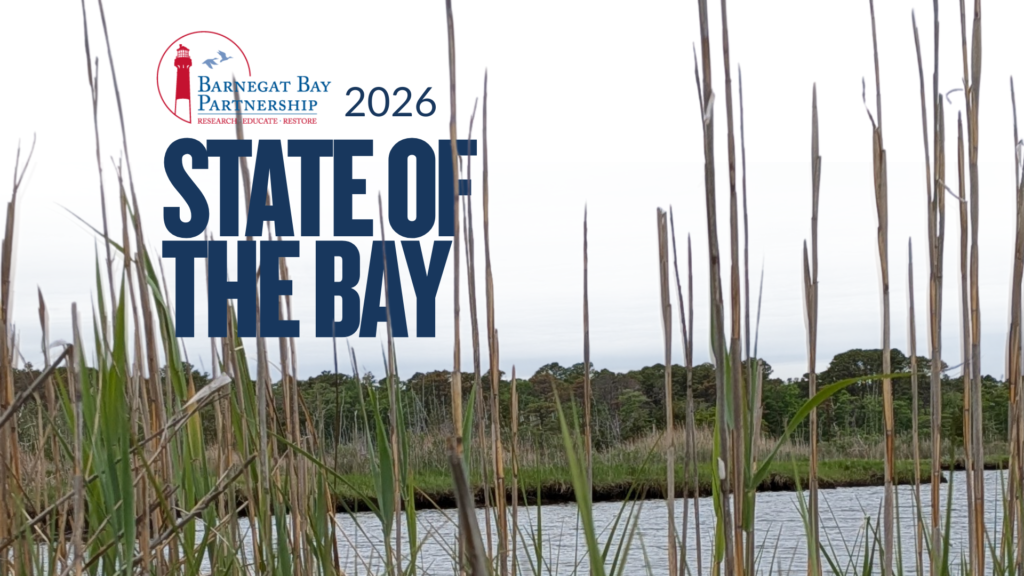
Gain a comprehensive understanding of the current health of Barnegat Bay through the latest scientific data and reports. Discover how the bay’s ecosystem is evolving, the challenges it faces, and the ongoing efforts to preserve its beauty and biodiversity.
Stay connected with the latest updates and learn how you can play a role in supporting its restoration and protection.