Become a Master Naturalist

Enjoy nature and Barnegat Bay? Join the Volunteer Master Naturalist (BBVMN) program to explore its wildlife, ecology, and traditions while inspiring others to protect it.
Through a mix of virtual classes and hands-on fieldwork, you’ll gain skills in stewardship, learn about the bay’s ecosystems, and understand the latest environmental challenges. Offered by the Barnegat Bay Partnership in collaboration with Ocean County College, this program empowers you to make a difference.
2026 Registration Now Open!
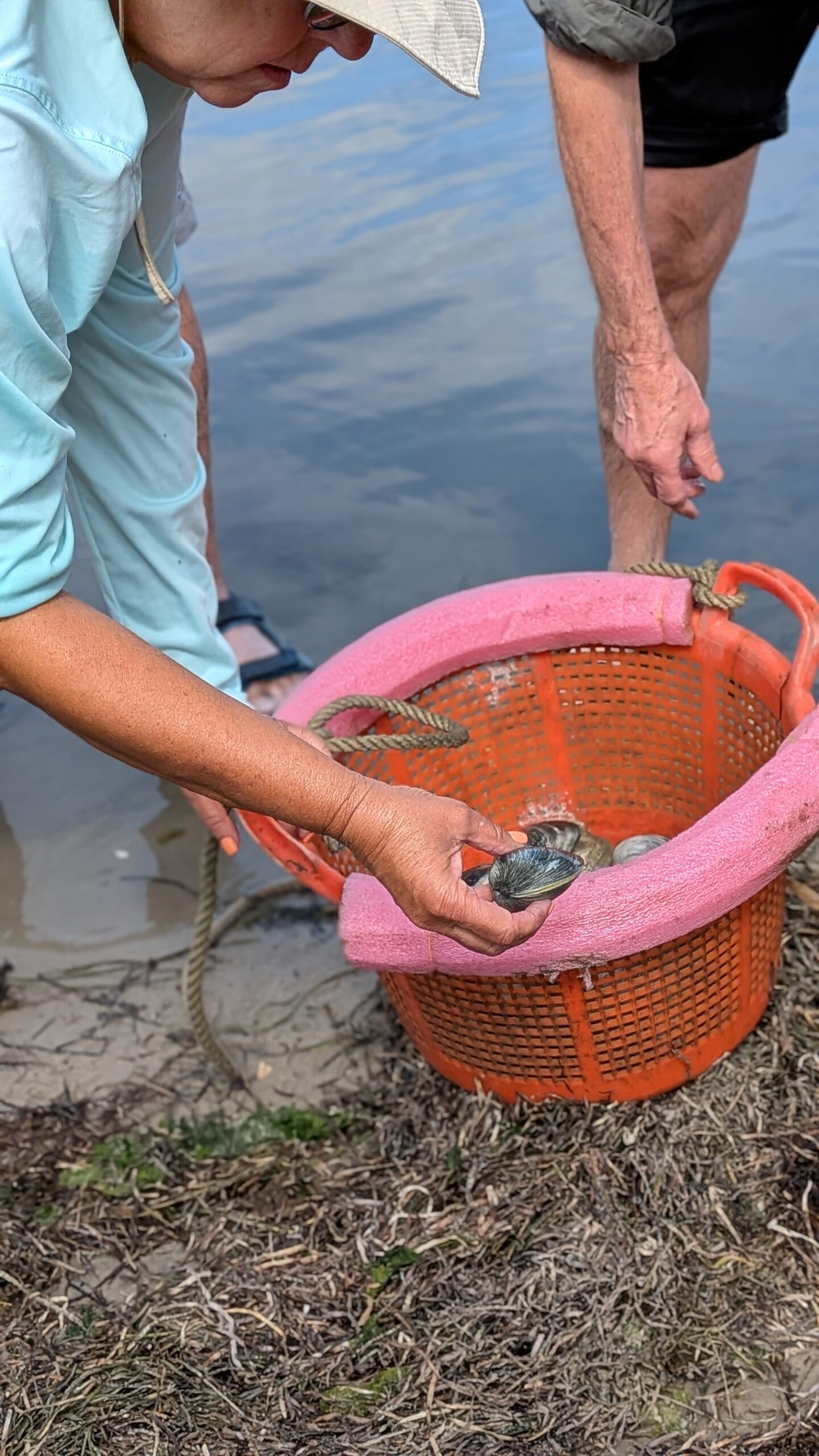
Nina and Paige R with the Barnegat Bay Volunteer Master NaturalistsCatching and observing bivalves
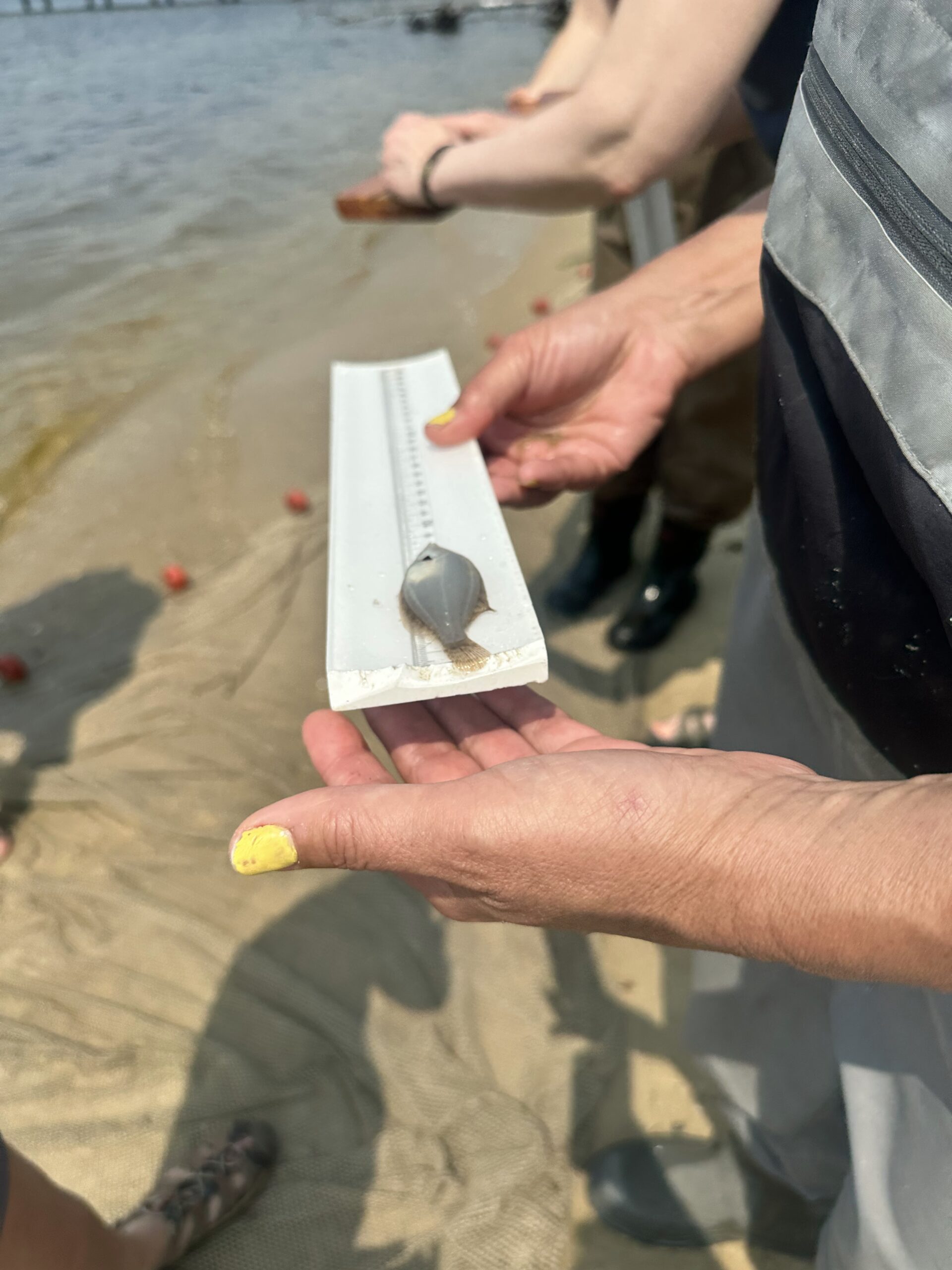
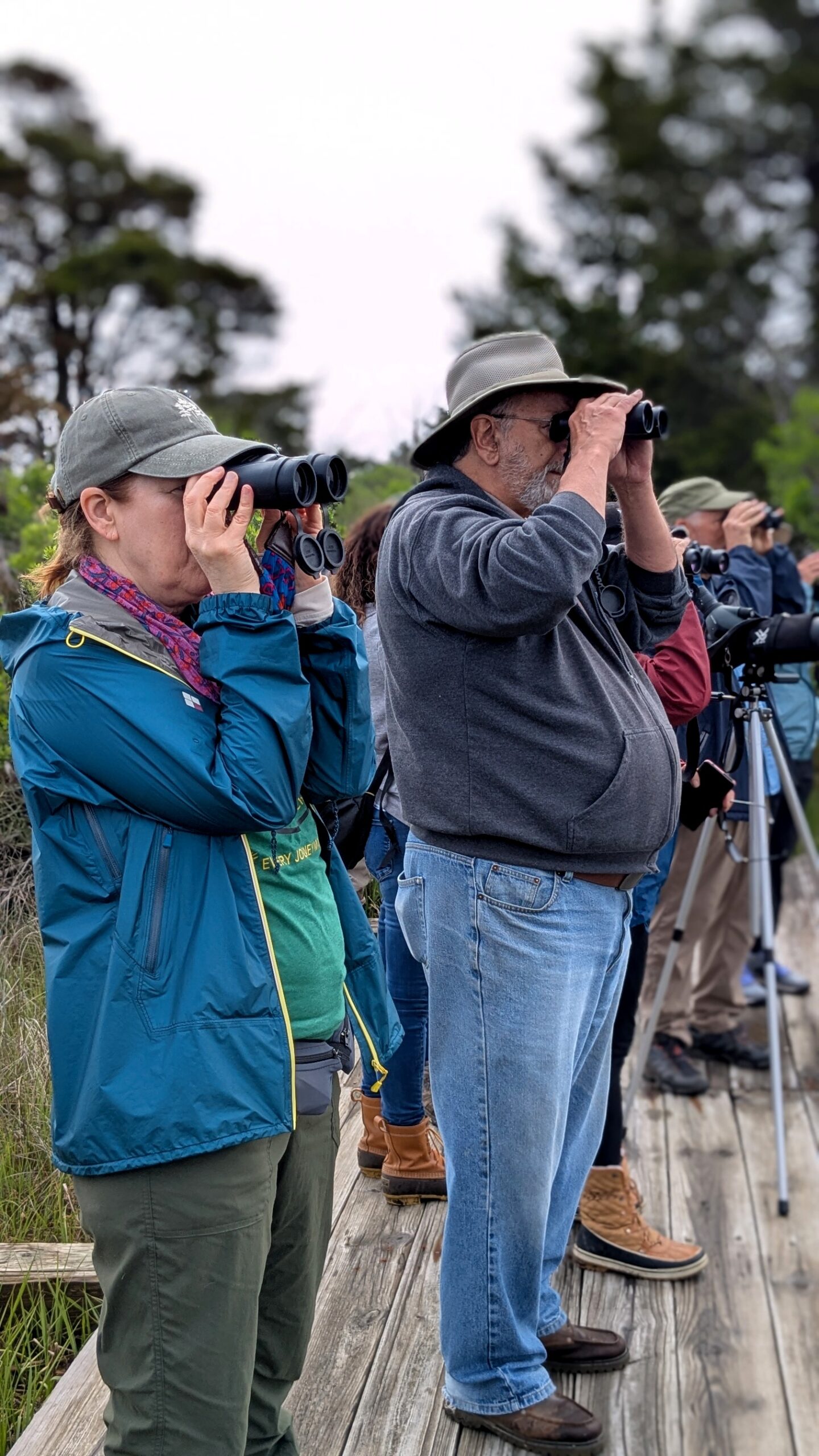
Flounder being measured after seiningIndividuals using binoculars
Individuals catching bivalves

Program Overview

Explore Barnegat Bay’s unique ecosystems through a blend of virtual sessions and immersive field trips from March through June. Learn about local wildlife, marine habitats, salt marshes, seagrasses, and Pine Barrens ecology, along with the region’s rich history and traditions. Field sessions offer hands-on experience in both bay and upland habitats across Ocean County.

Certification Steps:

  • Complete the Master Naturalist course.
  • Fulfill 40 hours of environmental service within a year.
  • Maintain certification with 40 annual service hours and 8 hours of advanced training.

Start Your Journey as a Certified Master Naturalist

Join the Program Now

2026 Course Overview

Virtual classroom sessions:

March 31
April: 7, 14, 21, 28
May: 5, 12, 19
June: 9

In- Person field sessions:

April : 2, 9, 16, 23
May 7, 14, 21, 28
June 11 
Exception: May 28 Field Trip to Sedge Island (9:00 AM - 3:00 PM)

Details:

  • Complete the Master Naturalist course.
  • Fulfill 40 hours of environmental service within a year.
  • Maintain certification with 40 annual service hours and 8 hours of advanced training.

Have Additional Questions?

Contact Us
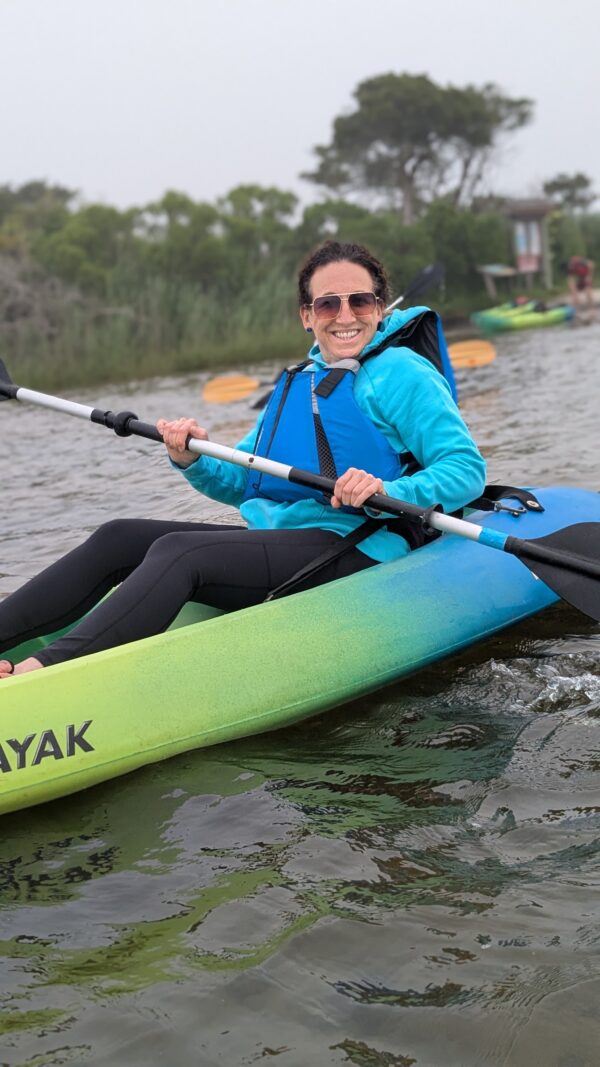
Kayaker

Stay Involved

Make a Lasting Impact with Your Skills

As a Barnegat Bay Volunteer Master Naturalist, your journey doesn’t end with the program. There are countless opportunities to stay involved, contribute to meaningful projects, and inspire others to care for the Barnegat Bay ecosystem.

Research in Action

BBVMNs dive into hands-on science by seining and recording data for sea nettle research, assembling American eel collectors, and planting dune grass. Their contributions help advance the understanding of Barnegat Bay’s delicate ecosystem.

Stewardship Projects

From planting dune grass to maintaining trails, BBVMNs take an active role in conserving Barnegat Bay’s natural habitats. These efforts ensure the bay's beauty and vitality for future generations.
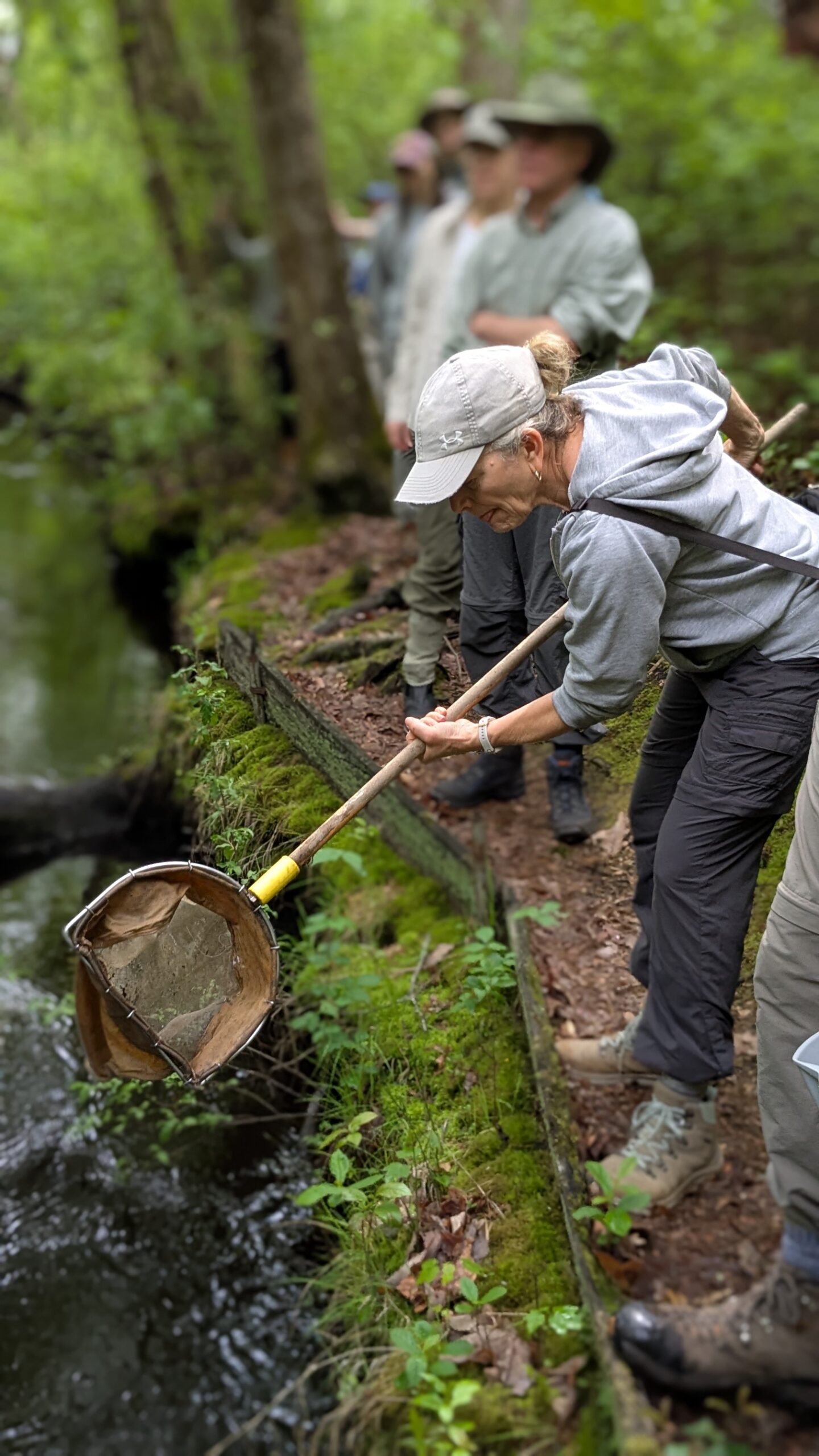
Barnegat Bay Volunteer Master Naturalist using a net

Education and Interpretation

BBVMNs share their knowledge through birding by kayak tours and leading interpretive programs at state and county parks. They spark curiosity and encourage others to become stewards of the environment.

Outreach and Advocacy

Volunteers spread awareness by staffing exhibits at environmental festivals like Ocean Fun Days and Cattus Island Nature Day. Their efforts bring Barnegat Bay’s story to life for diverse audiences.

UNKNOWN

There is limited data available to quantify Wetland and Riparian Buffer Preservation, or updated data to quantify Wetland Acreage. The BBP has obtained funding and will begin assessment efforts for both targets, in the next few years.


 Hard Clam abundance has not been updated since 2012. Recovery of the stock will be guided by the Fishery Management Plan for Hard Clams, which is under development with the NJDEP, BBP, and other organizations. Reclam the Bay and other partners have continued to plant clams for restoration purposes. Continued plantings in strategic locations which maximize survival and reproduction is one strategy to pursue in the coming years. This work can use a model developed by Rutgers with BBP funding which identified areas where planted clams could have the greatest dispersal of their larvae and thus potentially maximally contribute to the recovery of the stock.

 Water Withdrawals were over the target in the 2021 report; USGS has not yet completed its latest update, so a definitive determination of status is not available. However, additional NJDEP data show that it is likely that we continue to not meet the target. Per capita water use has gone down, demonstrating the effectiveness of water-saving appliances and practices, but that decrease has been offset by population gains. 


IN PROGRESS

New maps quantifying Submerged Aquatic Vegetation extent were developed, but poor image clarity resulted in a high degree of uncertainty in the total acreage. NJDEP and Rutgers are working to resolve the uncertainty of these maps, and improve the total acreage estimate. Funding has also been obtained for further research and restoration activities. Several groups are developing potential restoration actions.

The USGS has completed the first phase of its study to identify minimum ecological flows in select Barnegat Bay tributaries. USGS scientists compared streamflow statistics between historical and current time periods to better understand trends in watershed flow conditions. This work provides a foundation for developing ecological flow targets in the Barnegat Bay watershed.  Similar to SAV extent, funding (approximately $450K) has been obtained by the BBP to complete the remaining phases necessary for threshold determination.


TARGETS ACHIEVED

No targets can be considered “Achieved” at this time.


NOT ACHIEVING

Several Public Swimming Beaches exceeded their safe swimming standards more frequently than during their baseline time period (2016-2018).

While most beaches are routinely safe for swimming, several problematic areas such as Beachwood, Hancock, Windward, and several lake beaches need track-down studies and restoration to pinpoint and address sources of bacteria.

Acres of Approved Shellfish Waters decreased from the last report. While this decrease was small, it represents a loss of previously approved waters. Similar to public beaches, track-down studies and restoration work are needed to pinpoint and address sources of bacteria.


Barnegat Bay Master Naturalists

Dive deeper into local ecosystems as a Master Naturalist. Gain the knowledge and skills to become a dedicated steward of the Bay and advocate for its conservation.

Contact Barnegat Bay Master NaturalistsContact Barnegat Bay Master Naturalists
bbvmn volunteer master naturalist