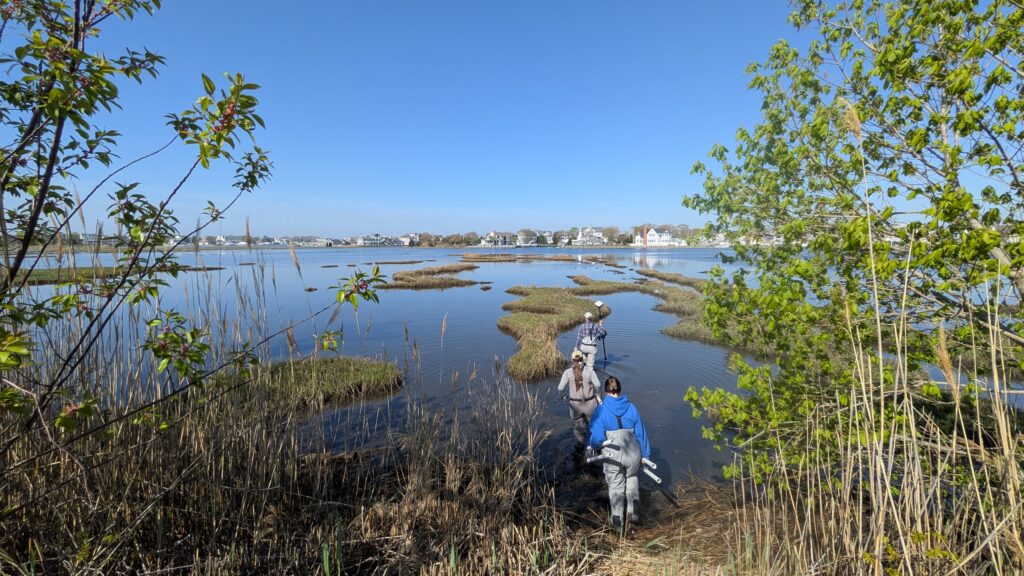
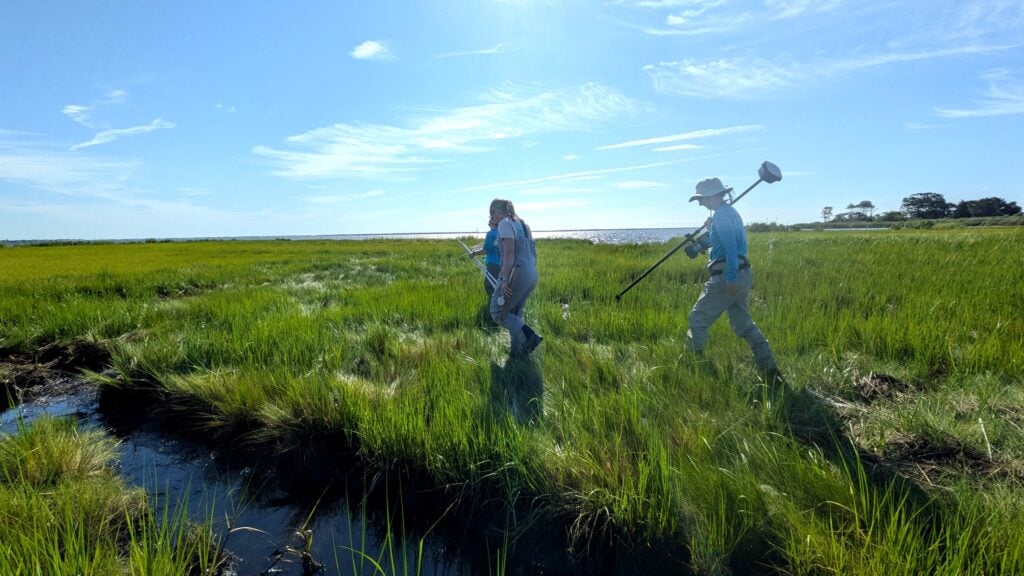
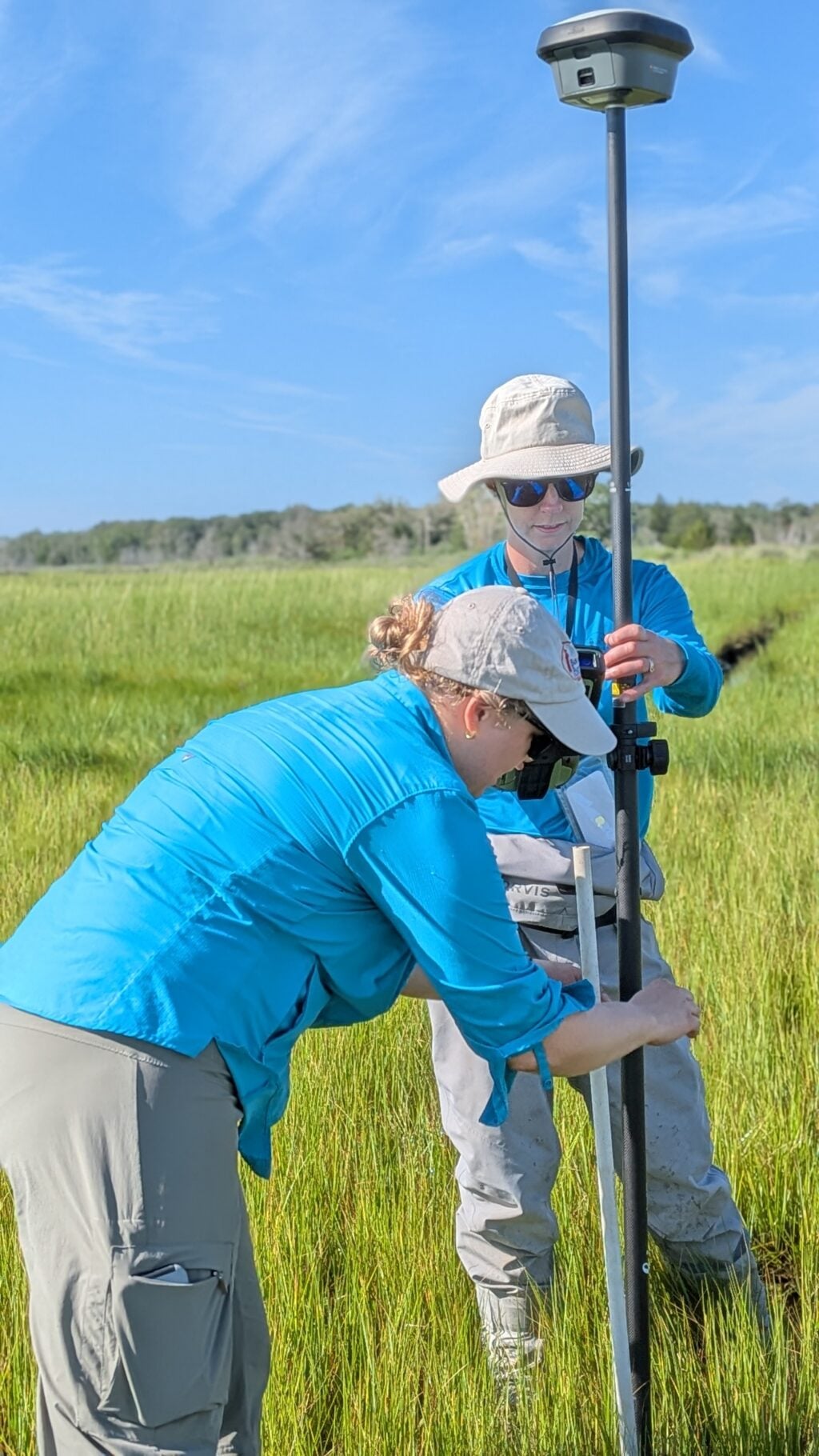
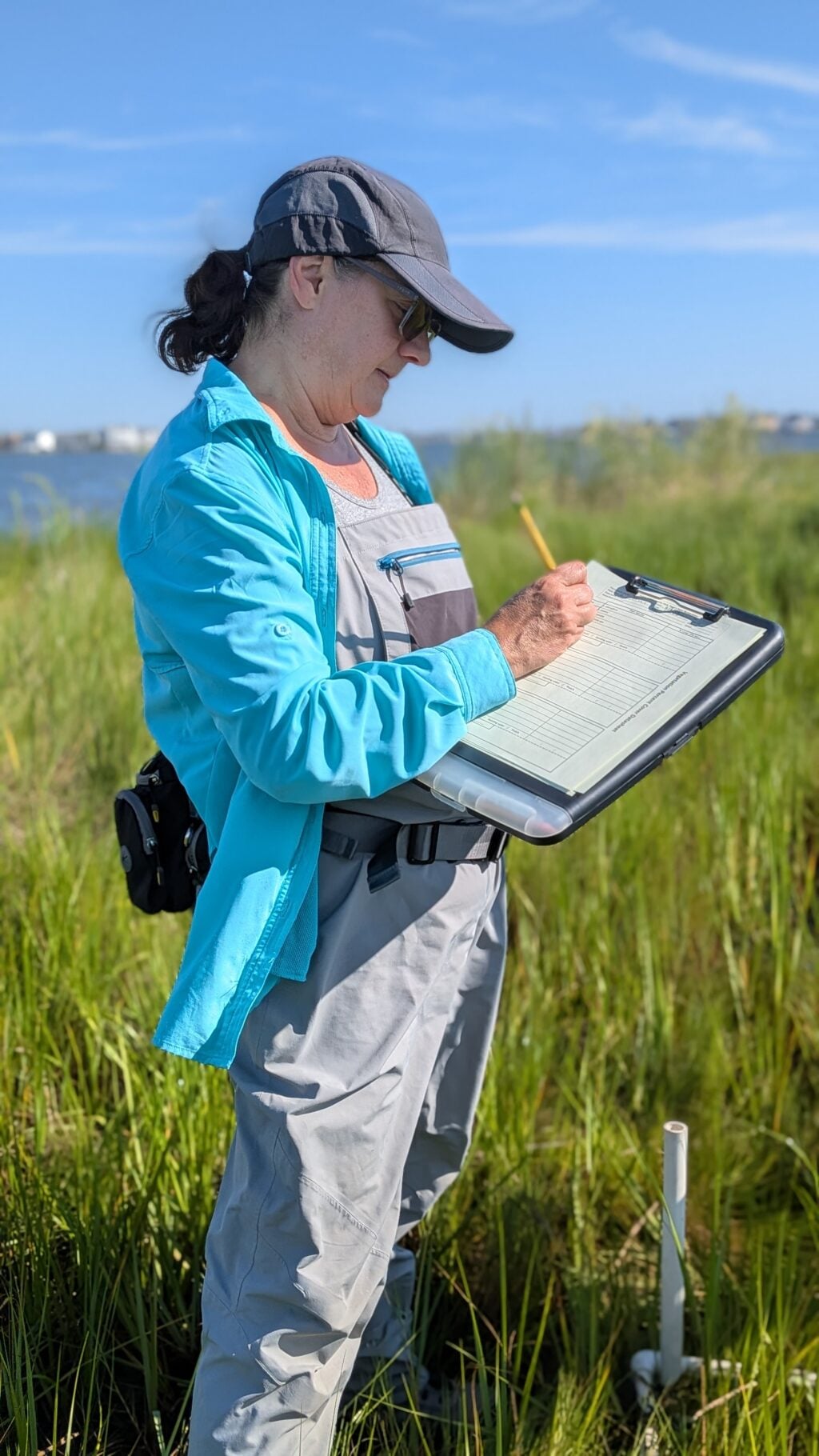
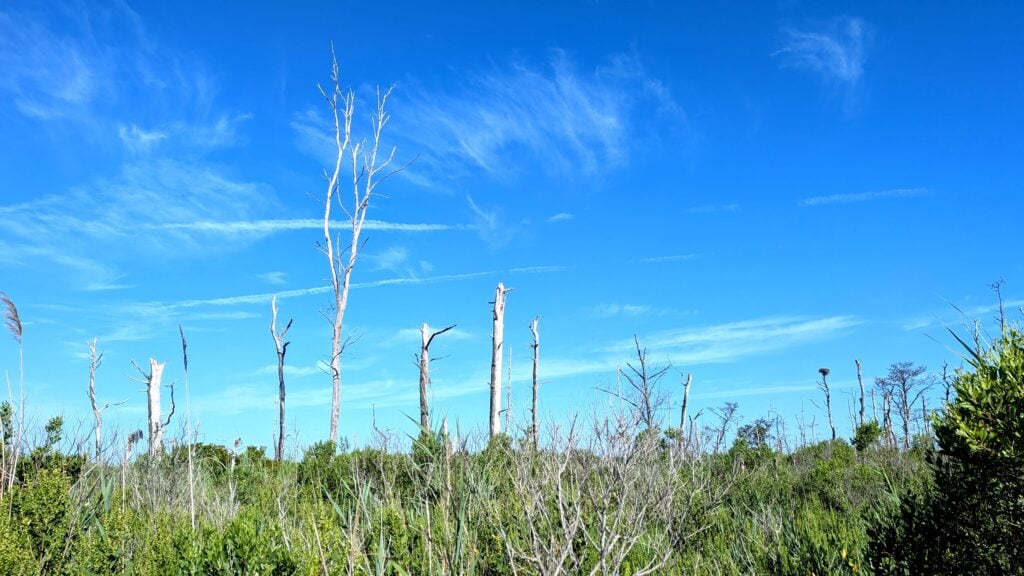
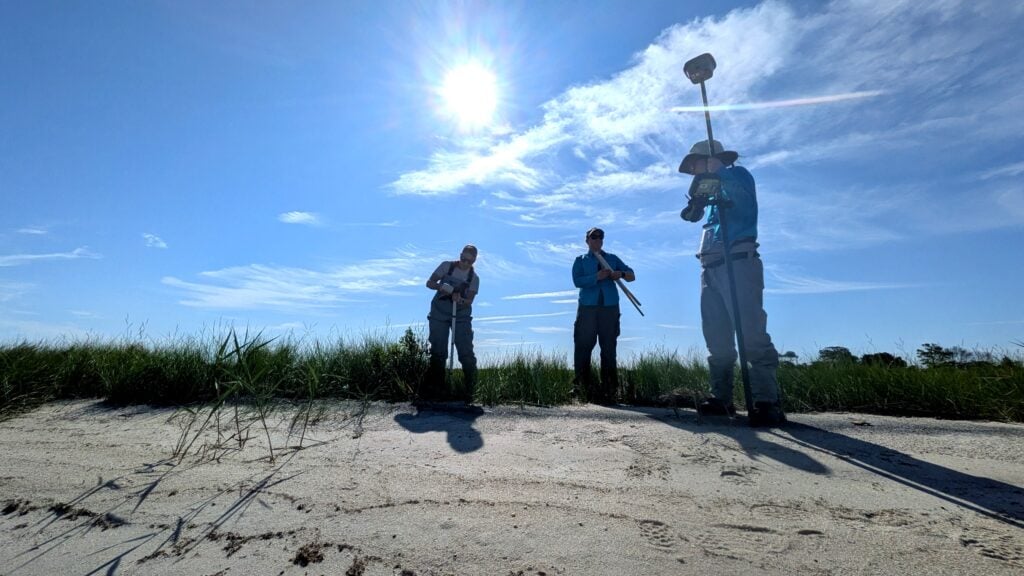
There is limited data available to quantify Wetland and Riparian Buffer Preservation, or updated data to quantify Wetland Acreage. The BBP has obtained funding and will begin assessment efforts for both targets, in the next few years.
Hard Clam abundance has not been updated since 2012. Recovery of the stock will be guided by the Fishery Management Plan for Hard Clams, which is under development with the NJDEP, BBP, and other organizations. Reclam the Bay and other partners have continued to plant clams for restoration purposes. Continued plantings in strategic locations which maximize survival and reproduction is one strategy to pursue in the coming years. This work can use a model developed by Rutgers with BBP funding which identified areas where planted clams could have the greatest dispersal of their larvae and thus potentially maximally contribute to the recovery of the stock.
Water Withdrawals were over the target in the 2021 report; USGS has not yet completed its latest update, so a definitive determination of status is not available. However, additional NJDEP data show that it is likely that we continue to not meet the target. Per capita water use has gone down, demonstrating the effectiveness of water-saving appliances and practices, but that decrease has been offset by population gains.
IN PROGRESS
New maps quantifying Submerged Aquatic Vegetation extent were developed, but poor image clarity resulted in a high degree of uncertainty in the total acreage. NJDEP and Rutgers are working to resolve the uncertainty of these maps, and improve the total acreage estimate. Funding has also been obtained for further research and restoration activities. Several groups are developing potential restoration actions.
The USGS has completed the first phase of its study to identify minimum ecological flows in select Barnegat Bay tributaries. USGS scientists compared streamflow statistics between historical and current time periods to better understand trends in watershed flow conditions. This work provides a foundation for developing ecological flow targets in the Barnegat Bay watershed. Similar to SAV extent, funding (approximately $450K) has been obtained by the BBP to complete the remaining phases necessary for threshold determination.
TARGETS ACHIEVED
No targets can be considered “Achieved” at this time.
NOT ACHIEVING
Several Public Swimming Beaches exceeded their safe swimming standards more frequently than during their baseline time period (2016-2018).
While most beaches are routinely safe for swimming, several problematic areas such as Beachwood, Hancock, Windward, and several lake beaches need track-down studies and restoration to pinpoint and address sources of bacteria.
Acres of Approved Shellfish Waters decreased from the last report. While this decrease was small, it represents a loss of previously approved waters. Similar to public beaches, track-down studies and restoration work are needed to pinpoint and address sources of bacteria.
Restoration
For those of us at the Barnegat Bay Partnership, the health of our coastal ecosystems isn’t just a scientific metric: it’s the heartbeat of our community. That’s why we are beyond thrilled to share that the New Jersey Department of Environmental Protection (NJDEP) has awarded a $4.8 million grant to restore the Nellie Bennett Salt Marsh in the Borough of Point Pleasant.
This project is a cornerstone of the Sherrill Administration’s Natural Climate Solutions Grant Program, and it couldn’t come at a more critical time.
Why This Marsh Matters
Located where Beaverdam Creek meets the Metedeconk River, the Nellie Bennett Marsh is a vital piece of northern Barnegat Bay. Over the years, we’ve watched this marsh struggle against erosion and rising sea levels. When a marsh degrades, we don’t just lose wildlife habitat; we lose our first line of defense against the impacts of storms.
The Plan
BBP Program Director Andrew McGowan and Wetland and Watershed Manager Ceili Pestalozzi accept NJDEP’s $4.8million grant to complete restoration of Nellie Bennett Marsh
The BBP and project partners have already completed two phases of this project; preparing the marsh for it’s final phase of restoration. To bring the marsh back to providing it’s full ecosystem services, 29,000 cubic yards of dredged material will be used to fill portions of the marsh that have eroded or subsided through the years. We’ll be using this sediment to elevate the marsh platform, essentially giving it the “height” it needs to stay above water.
In addition to fill, the project will rely on several methods to stabilize the new marsh. Coir Logs are biodegradable tubes that help stabilize high marsh areas, and municipal compost will be used to supplement the soil to ensure native vegetation can thrive.
Protecting Our Neighbors
Perhaps the most rewarding part of this project is the direct impact on Point Pleasant. As Mayor Bob Sabosik pointed out, this marsh used to be a place where children could walk; soon, it will once again be a robust buffer protecting Nellie Bennett Elementary School, providing critical protection for drinking water infrastructure, roads, and homes in the neighboring areas.
Looking Ahead
Restoring 13 acres of marsh in a highly developed area like ours is no small feat. It’s a powerful example of how “nature-based infrastructure” can protect our homes while preserving the beauty of the Jersey Shore.
We want to extend a huge thank you to the NJDEP, the Borough of Point Pleasant, and all our partners who helped make this vision a reality. We can’t wait to get our boots in the mud and start building a more resilient Barnegat Bay.