As fall winds down and we prepare our yards and gardens for their winter rest, many of us turn to familiar tasks: raking leaves, gathering fallen branches, mulching garden beds, and giving the lawn one last boost before spring. But this year, it’s more important than ever to approach winter yard care with New Jersey’s changing environmental conditions in mind.
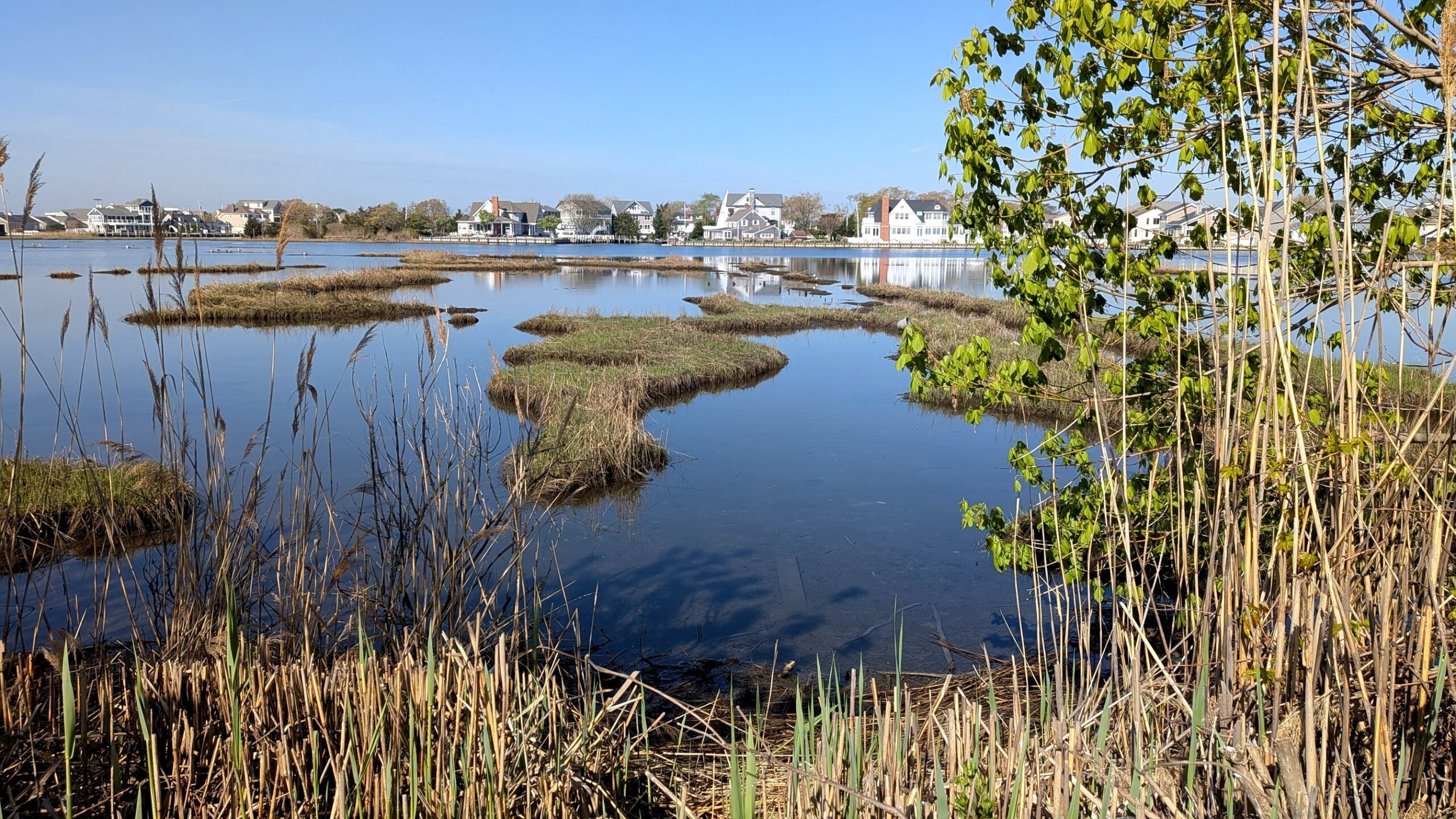
According to the NJDEP, across the state, drought indicators, from declining reservoir levels to below-normal streamflows highlight the need to be especially mindful of how we use water and manage our landscapes. In fact, the Barnegat Bay region is currently under a drought watch due to light rainfall, and all New Jerseyans are requested to follow water conservation practices. Even simple choices in yard care can help protect our water resources and reduce pollution that harms streams, lakes, and the Barnegat Bay. Check our NJDEP’s Fall Water Conservation Guidance to learn more.

New Jersey’s 2011 fertilizer law prohibits applying fertilizers containing nitrogen or phosphorus between November 1 and March 1. These nutrients cannot be absorbed by dormant plants in cold weather and are much more likely to wash away into storm drains and waterways. During winter months, only products containing potassium, lime, or other non-nitrogen, non-phosphorus nutrients may be used.
No matter the time of year, fertilizers with nitrogen and phosphorus should never be applied to frozen ground or ahead of heavy rain. Under these conditions, nutrients wash off lawns and contribute to stormwater pollution; a problem intensified during drought stages, when lower streamflows mean less dilution.
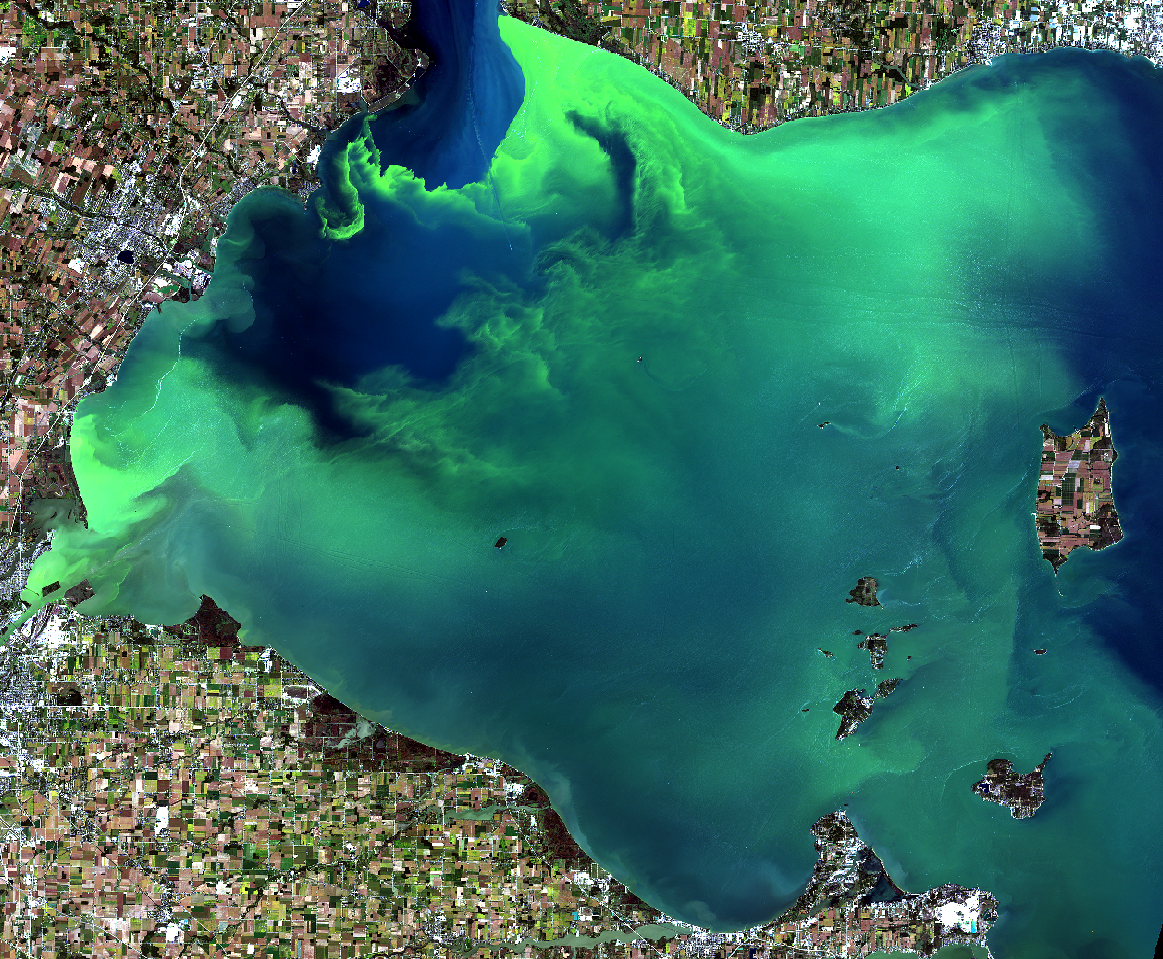
When excess nitrogen and phosphorus enter waterways, they can trigger harmful algal blooms (HABs). These blooms often result from cyanobacteria, which can produce toxins that pose risks to people, pets, and wildlife.
HABs cloud waters, restrict recreation like swimming and fishing, and can even affect drinking water supplies by forcing water systems to close intakes or use additional treatment. Even after a bloom subsides, nutrients can settle in sediments and re-release in warm summer months continuing the cycle. These impacts can be magnified during drought, when already-low water levels make ecosystems more vulnerable.
Responsible lawn and garden practices help conserve water, reduce pollution, and support healthier ecosystems. Check out Brick Municipal Authority’s WaterSense Campaign for our area!

There are several ways to care for your yard that support cleaner water and healthier habitats. Before applying fertilizer, it is always beneficial to have your soil tested through the New Jersey Soil Testing Lab so you can understand exactly what nutrients your lawn truly needs. Fertilizer should never be applied to hard surfaces such as sidewalks, driveways, or patios. If any fertilizer lands there accidentally, it should be swept back onto the lawn rather than rinsed into the street where it can enter storm drains. Applications should be avoided on windy days or when rain is in the forecast. Homeowners can also consider landscape choices that reduce nutrient runoff and conserve water, including the use of native plants, adding mulch to planting beds, creating rain gardens, and reducing the overall size of lawn areas.
As drought conditions highlight the delicate balance of New Jersey’s water resources, winter yard care is an opportunity to make choices that protect our environment year-round. By following the state’s fertilizer laws, reducing unnecessary nutrient use, and managing our landscapes with care, we can help prevent harmful algal blooms, support healthier waterways, and strengthen our communities against drought and climate impacts.
To learn more, visit EPA WaterSense, NJDEP’s drought information, Jersey-Friendly Yards, USEPA’s nutrient pollution pages, and Climate Central.