Opens in a new tab

October 6, 2026

From the Brick MUA: Save Water by Reducing HABs!

by Nina Sassano

hab

*This article was written by the Brick Municipal Utilities Authority as part of the EPA’s WaterSense Campaign

Recent rain events have helped water supplies, yet it has not been enough to overcome the prior two years of dry conditions. The New Jersey Department of Environmental Protection still maintains a Drought Warning. Please continue to conserve water inside and outside the home. Visit New Jersey Drought Information to learn about drought conditions. Visit USEPA’s WaterSense and NJDEP Conserve Water for water conservation information.

HABs often make the water appear bright green and may resemble spilled paint, pea soup, streaks, dots, foam, scum or mats, and they may have a rotten smell. Stay out of the water and report suspected HABs to NJDEP by scanning the bar code, visiting dep.nj.gov/hab/, or calling 1-877-WARNDEP (927-6337). Follow any posted warnings to protect yourself and your pets.
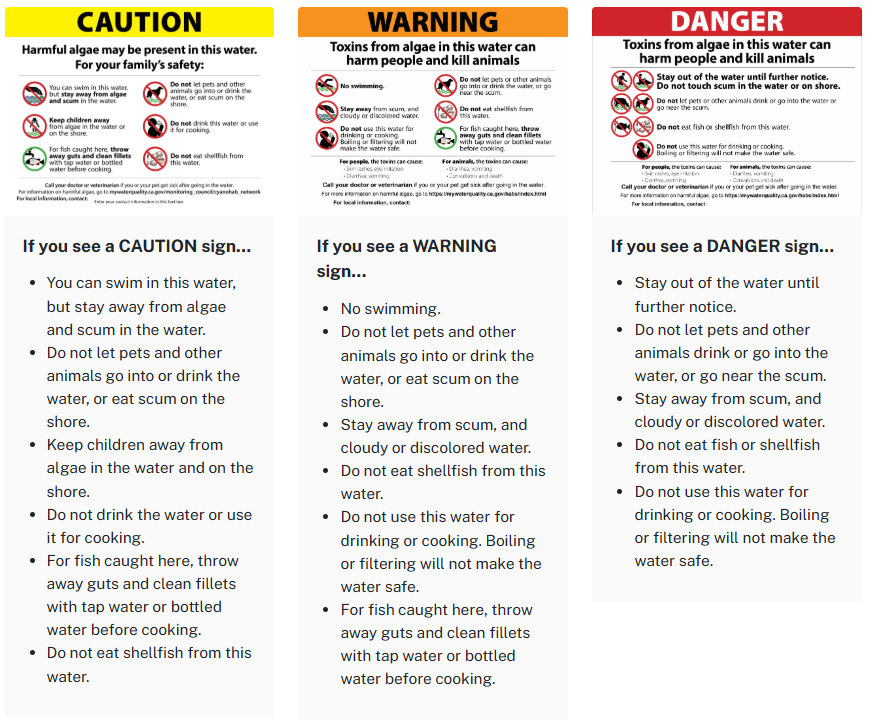
HAB warning signs
Taken from EPA’s Harmful Algal Bloom information page: https://mywaterquality.ca.gov/habs/resources/signage.html

Safeguards are in place to prevent HABs from affecting drinking water, but in lakes and ponds HABs can pose health risks to people and pets through ingestion of contaminated water, skin contact, or inhalation of water droplets. In people, symptoms may include rash, sore throat, skin or eye irritation, respiratory irritation, headache, nausea, and upset stomach. Contact a physician if you believe you may have been exposed. In dogs, symptoms may include excessive salivation, fatigue, stumbling or falling, vomiting, loose stools, seizures, and convulsions. Pets can get very sick and die within hours to days after swallowing cyanobacterial toxins, so seek veterinarian assistance immediately if your pet shows unexplained sickness that occurs within a day or so after being in contact with water. Wash off with clean water if you suspect contact with HABs. For more information on exposure to HABs, visit dep.nj.gov/hab/ and https://www.cdc.gov/harmful-algal-blooms/signs-symptoms/index.html.
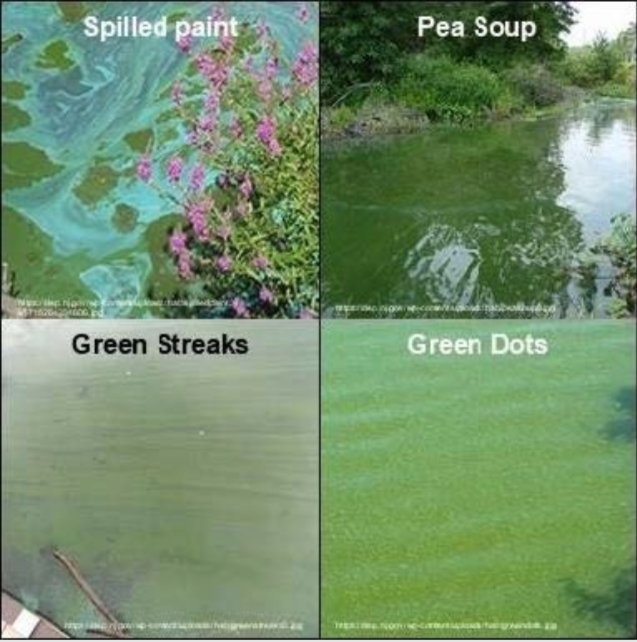
Brick MUA Image of HABs

Since excessive nutrients from fertilizer, animal waste, and wastewater discharges are the main drivers in forming HABs, everyone can help protect our waterways by following a few simple steps. Have your soil tested by the NJ Soil Testing Laboratory to see if your planting areas and yard need fertilizer, and if they do follow the dosages they recommend. Do not apply fertilizer right before a rainstorm. If fertilizer is spilled on driveways or sidewalks, sweep it onto the yard and do not use a hose to wash it into the street where it can enter the storm drain and nearby stream. Remember that the NJ Fertilizer Law prohibits fertilizer applications between November and March. Pick up after pets and dispose of the waste by placing in a trash can or pet waste receptacle. Make sure septic systems are maintained if you own one. Help prevent sewer system overflows by not flushing garbage down the toilet and keeping cooking grease and oil from going down the drain. Dispose of cooking grease by wiping plates and pans and tossing in the trash. Recycling options are commonly available for used cooking oil, so check with your local public works or solid waste department (such as the Ocean County Department of Solid Waste Management) for recycling options in your area. Install a rain garden or rain barrel to reduce runoff from your property and prevent nutrient pollution from entering local waterways. If you live on a shoreline, plant native vegetation to act as a buffer strip and absorb nutrients before they reach the water. To learn more about native vegetation options, visit New Jersey Friendly-Yards. By taking these simple actions, you can help prevent HABs.
Explore More Insights from Barnegat Bay

Dive deeper into the ongoing efforts to protect and restore our environment with more updates and initiatives that you can take part in. Check out our latest blog posts for valuable tips and insights.

UNKNOWN

There is limited data available to quantify Wetland and Riparian Buffer Preservation, or updated data to quantify Wetland Acreage. The BBP has obtained funding and will begin assessment efforts for both targets, in the next few years.


 Hard Clam abundance has not been updated since 2012. Recovery of the stock will be guided by the Fishery Management Plan for Hard Clams, which is under development with the NJDEP, BBP, and other organizations. Reclam the Bay and other partners have continued to plant clams for restoration purposes. Continued plantings in strategic locations which maximize survival and reproduction is one strategy to pursue in the coming years. This work can use a model developed by Rutgers with BBP funding which identified areas where planted clams could have the greatest dispersal of their larvae and thus potentially maximally contribute to the recovery of the stock.

 Water Withdrawals were over the target in the 2021 report; USGS has not yet completed its latest update, so a definitive determination of status is not available. However, additional NJDEP data show that it is likely that we continue to not meet the target. Per capita water use has gone down, demonstrating the effectiveness of water-saving appliances and practices, but that decrease has been offset by population gains. 


IN PROGRESS

New maps quantifying Submerged Aquatic Vegetation extent were developed, but poor image clarity resulted in a high degree of uncertainty in the total acreage. NJDEP and Rutgers are working to resolve the uncertainty of these maps, and improve the total acreage estimate. Funding has also been obtained for further research and restoration activities. Several groups are developing potential restoration actions.

The USGS has completed the first phase of its study to identify minimum ecological flows in select Barnegat Bay tributaries. USGS scientists compared streamflow statistics between historical and current time periods to better understand trends in watershed flow conditions. This work provides a foundation for developing ecological flow targets in the Barnegat Bay watershed.  Similar to SAV extent, funding (approximately $450K) has been obtained by the BBP to complete the remaining phases necessary for threshold determination.


TARGETS ACHIEVED

No targets can be considered “Achieved” at this time.


NOT ACHIEVING

Several Public Swimming Beaches exceeded their safe swimming standards more frequently than during their baseline time period (2016-2018).

While most beaches are routinely safe for swimming, several problematic areas such as Beachwood, Hancock, Windward, and several lake beaches need track-down studies and restoration to pinpoint and address sources of bacteria.

Acres of Approved Shellfish Waters decreased from the last report. While this decrease was small, it represents a loss of previously approved waters. Similar to public beaches, track-down studies and restoration work are needed to pinpoint and address sources of bacteria.


From the Brick MUA: Save Water by Reducing HABs!

*This article was written by the Brick Municipal Utilities Authority as part of the EPA’s WaterSense Campaign

Recent rain events have helped water supplies, yet it has not been enough to overcome the prior two years of dry conditions. The New Jersey Department of Environmental Protection still maintains a Drought Warning. Please continue to conserve water inside and outside the home. Visit New Jersey Drought Information to learn about drought conditions. Visit USEPA’s WaterSense and NJDEP Conserve Water for water conservation information.

HABs often make the water appear bright green and may resemble spilled paint, pea soup, streaks, dots, foam, scum or mats, and they may have a rotten smell. Stay out of the water and report suspected HABs to NJDEP by scanning the bar code, visiting dep.nj.gov/hab/, or calling 1-877-WARNDEP (927-6337). Follow any posted warnings to protect yourself and your pets.

HAB warning signs
Taken from EPA’s Harmful Algal Bloom information page: https://mywaterquality.ca.gov/habs/resources/signage.html

Safeguards are in place to prevent HABs from affecting drinking water, but in lakes and ponds HABs can pose health risks to people and pets through ingestion of contaminated water, skin contact, or inhalation of water droplets. In people, symptoms may include rash, sore throat, skin or eye irritation, respiratory irritation, headache, nausea, and upset stomach. Contact a physician if you believe you may have been exposed. In dogs, symptoms may include excessive salivation, fatigue, stumbling or falling, vomiting, loose stools, seizures, and convulsions. Pets can get very sick and die within hours to days after swallowing cyanobacterial toxins, so seek veterinarian assistance immediately if your pet shows unexplained sickness that occurs within a day or so after being in contact with water. Wash off with clean water if you suspect contact with HABs. For more information on exposure to HABs, visit dep.nj.gov/hab/ and https://www.cdc.gov/harmful-algal-blooms/signs-symptoms/index.html.

Brick MUA Image of HABs

Since excessive nutrients from fertilizer, animal waste, and wastewater discharges are the main drivers in forming HABs, everyone can help protect our waterways by following a few simple steps. Have your soil tested by the NJ Soil Testing Laboratory to see if your planting areas and yard need fertilizer, and if they do follow the dosages they recommend. Do not apply fertilizer right before a rainstorm. If fertilizer is spilled on driveways or sidewalks, sweep it onto the yard and do not use a hose to wash it into the street where it can enter the storm drain and nearby stream. Remember that the NJ Fertilizer Law prohibits fertilizer applications between November and March. Pick up after pets and dispose of the waste by placing in a trash can or pet waste receptacle. Make sure septic systems are maintained if you own one. Help prevent sewer system overflows by not flushing garbage down the toilet and keeping cooking grease and oil from going down the drain. Dispose of cooking grease by wiping plates and pans and tossing in the trash. Recycling options are commonly available for used cooking oil, so check with your local public works or solid waste department (such as the Ocean County Department of Solid Waste Management) for recycling options in your area. Install a rain garden or rain barrel to reduce runoff from your property and prevent nutrient pollution from entering local waterways. If you live on a shoreline, plant native vegetation to act as a buffer strip and absorb nutrients before they reach the water. To learn more about native vegetation options, visit New Jersey Friendly-Yards. By taking these simple actions, you can help prevent HABs.
Contact From the Brick MUA: Save Water by Reducing HABs!Contact From the Brick MUA: Save Water by Reducing HABs!
hab
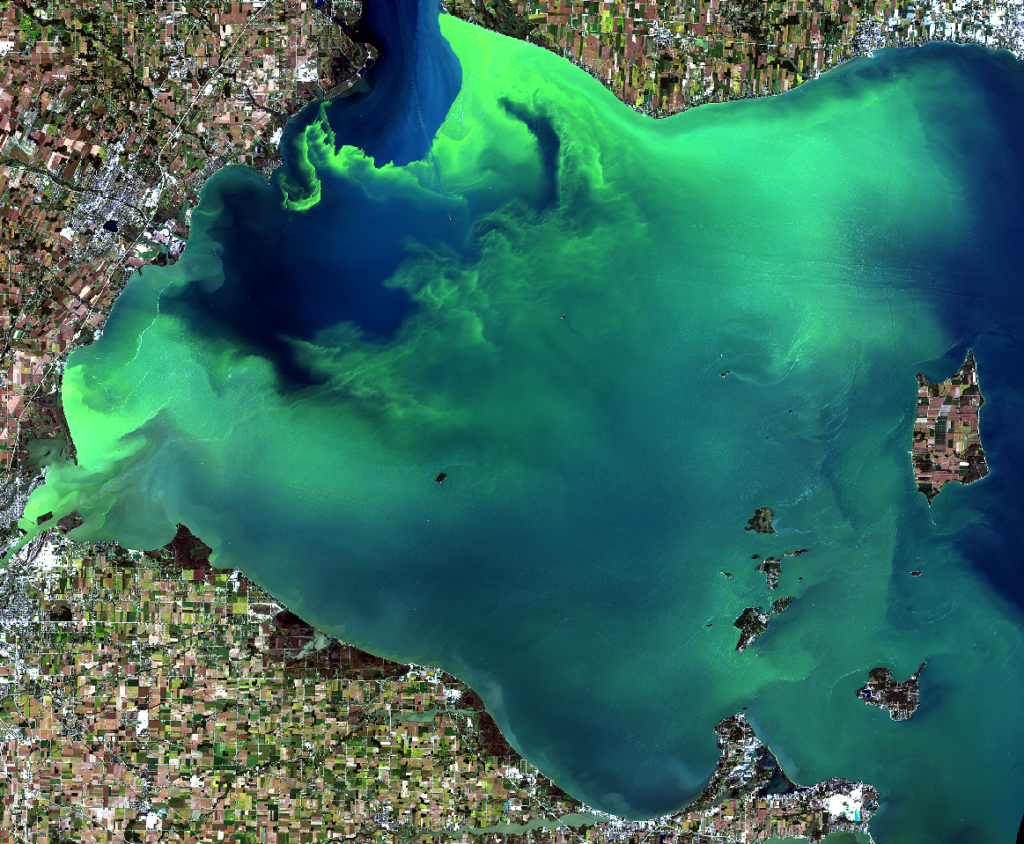
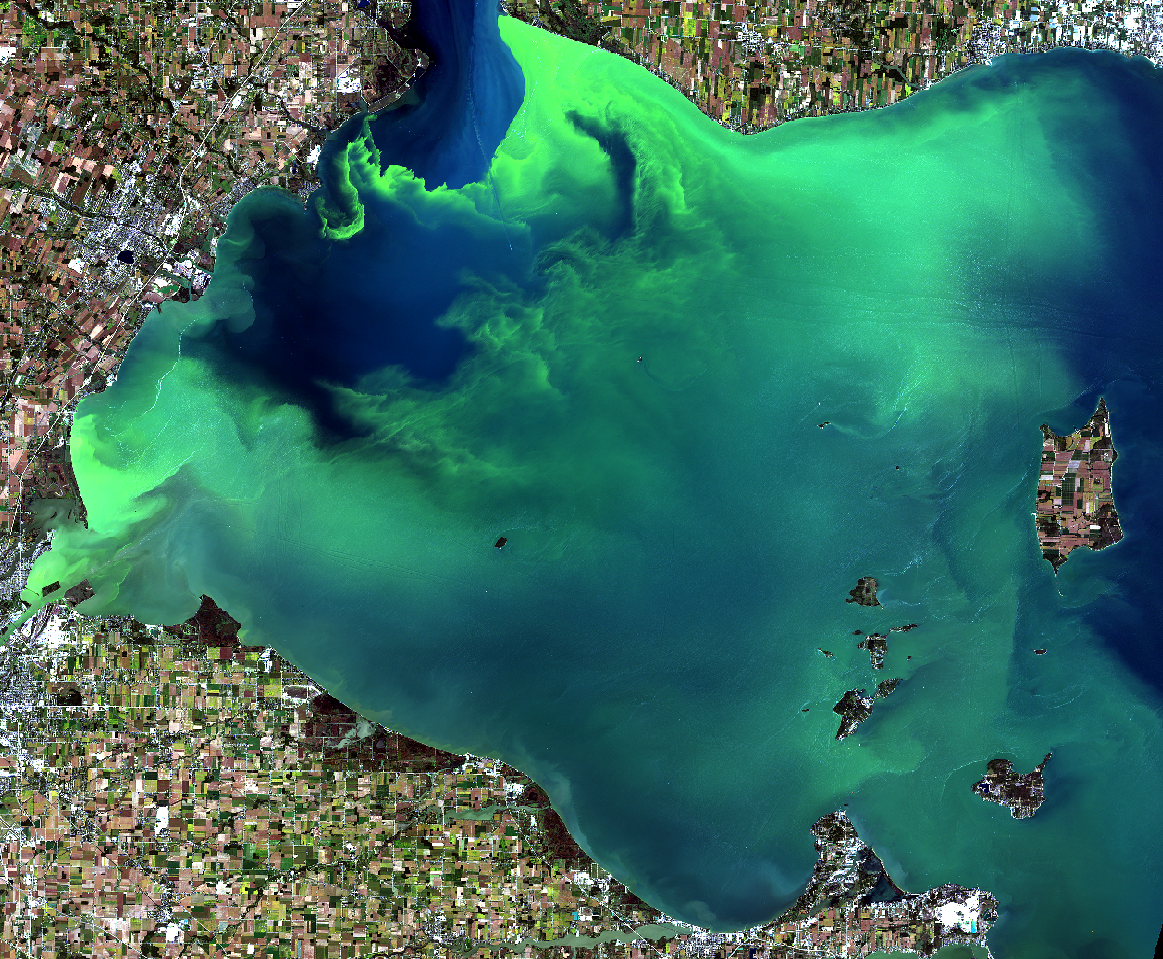
This image from the Landsat Satellite-8 shows a harmful algal bloom from 2017. Image property of NOAA, source: https://ohioseagrant.osu.edu/news/2019/9fen5/noaa-habs-forecast-2019