September 2, 2026

Join Us in Celebrating National Estuaries Week September 19-27, 2026

by Nina Sassano

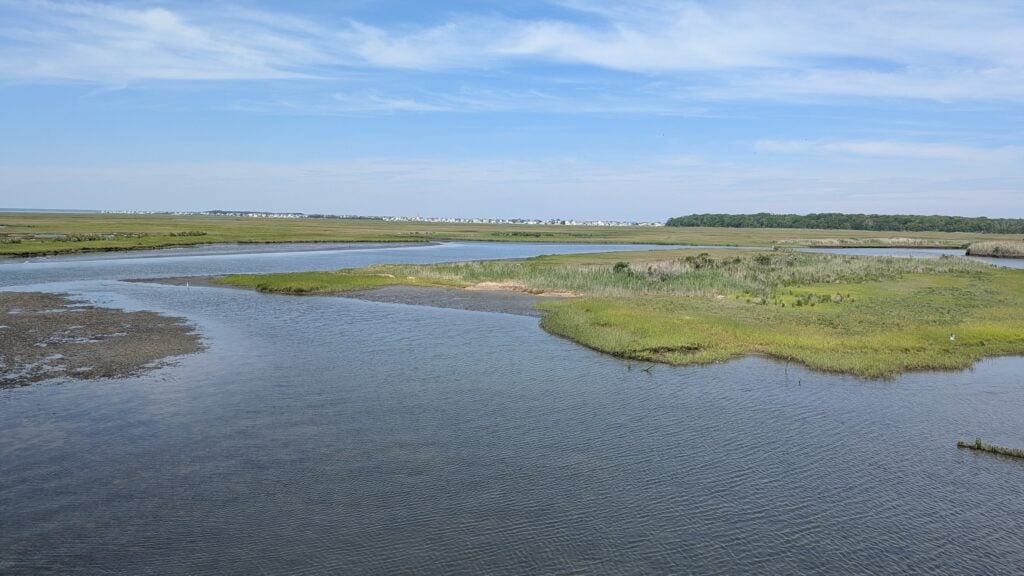
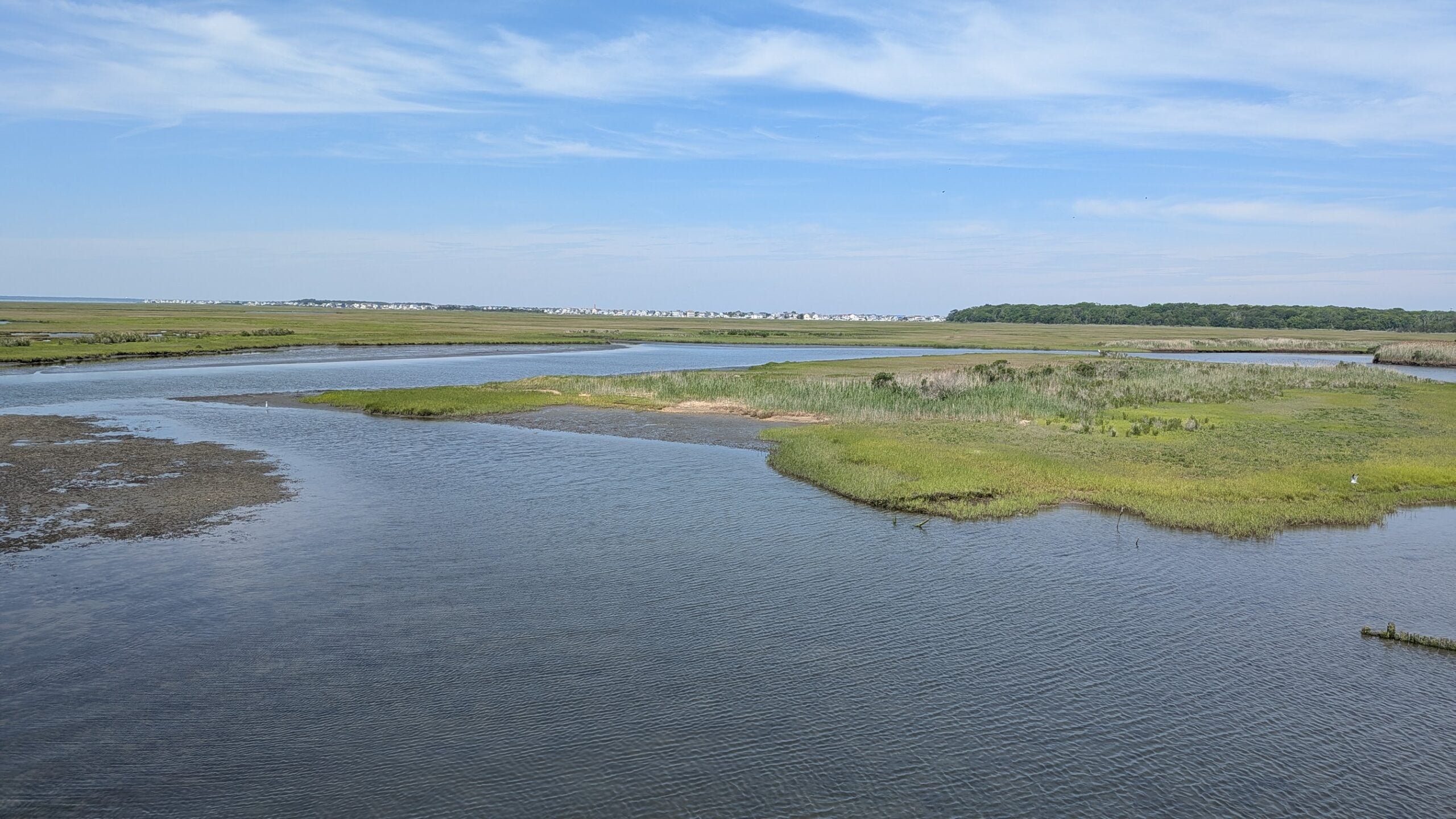
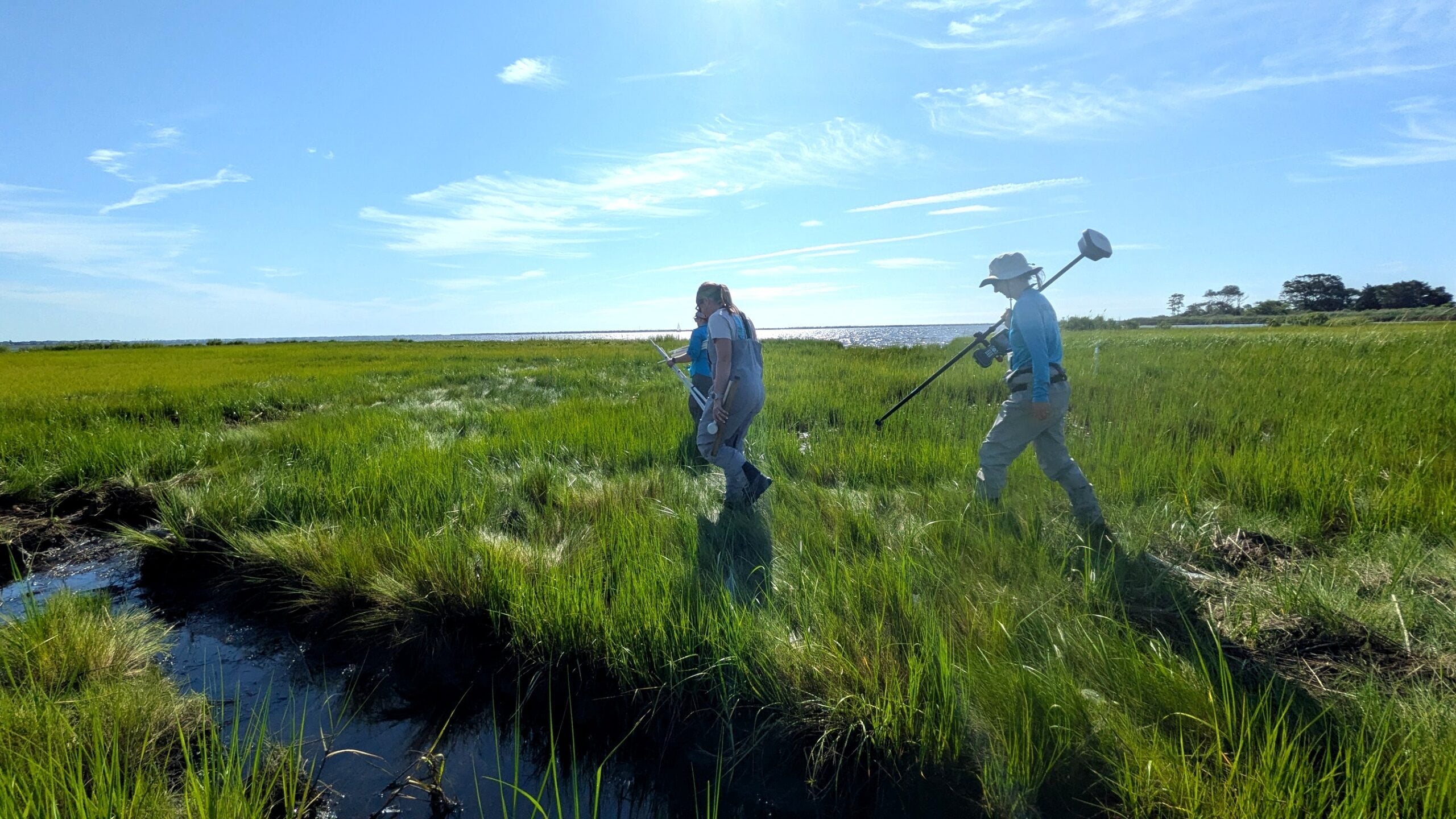
marsh over barnegat bay

National Estuaries Week is a nationwide celebration of the bays, sounds, wetlands, and coastal waters that connect our communities. Each September, organizations and communities across the country come together to celebrate their local estuaries and find ways to give back to the waters that give so much to us.
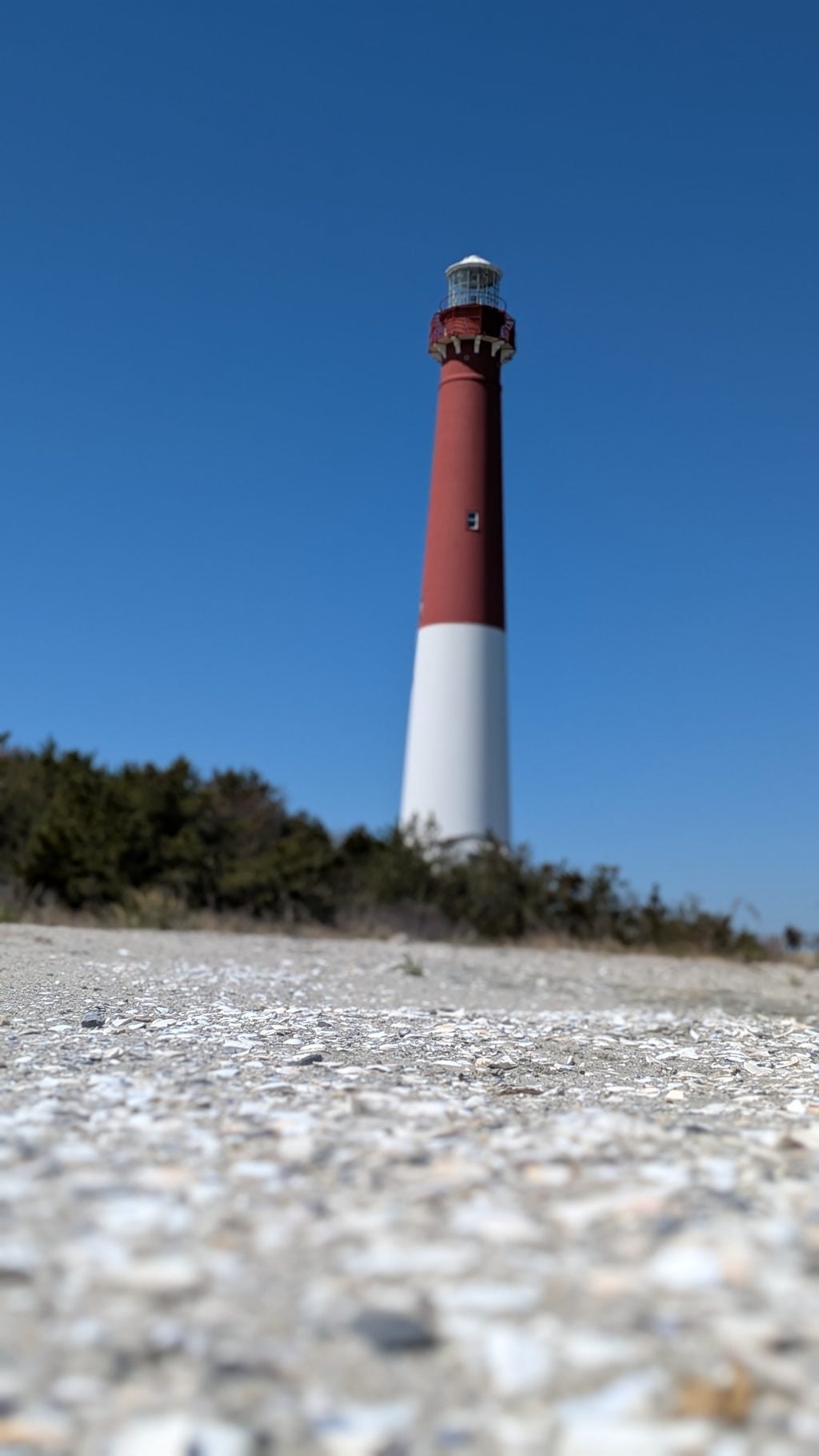
Barnegat Lighthouse

What began as National Estuaries Day in 1988 has grown into a national celebration bringing together thousands of people through cleanups, restoration projects, educational programs, community science, and other activities. Last year alone, more than 4,500 volunteers representing dozens of partner organizations participated in 55 restoration and cleanup projects across the East Coast, Gulf Coast, West Coast, Great Lakes, and Puerto Rico.

Our Barnegat Bay system is an estuary, a place where freshwater flowing from rivers, streams, and the surrounding watershed meets saltwater from the ocean. That mixing creates a highly productive ecosystem that provides habitat for fish, shellfish, birds, plants, and countless other species.

But the importance of the bay extends well beyond the water itself. Our estuary is connected to the neighborhoods, businesses, parks, schools, forests, streams, and communities throughout the watershed. What happens on land ultimately has the potential to affect the water downstream.

There are plenty of ways to celebrate and support Barnegat Bay during National Estuaries Week, even if you never set foot in the bay.

Spend some time exploring a local marsh, creek, or park. Join a cleanup. Learn more about native plants and how they support a healthy watershed. Attend a class or educational program. Volunteer with a local environmental organization. Pick up litter in your neighborhood before it has a chance to reach a storm drain. Even taking the time to learn something new about your watershed is a way to better understand the estuary we all share.
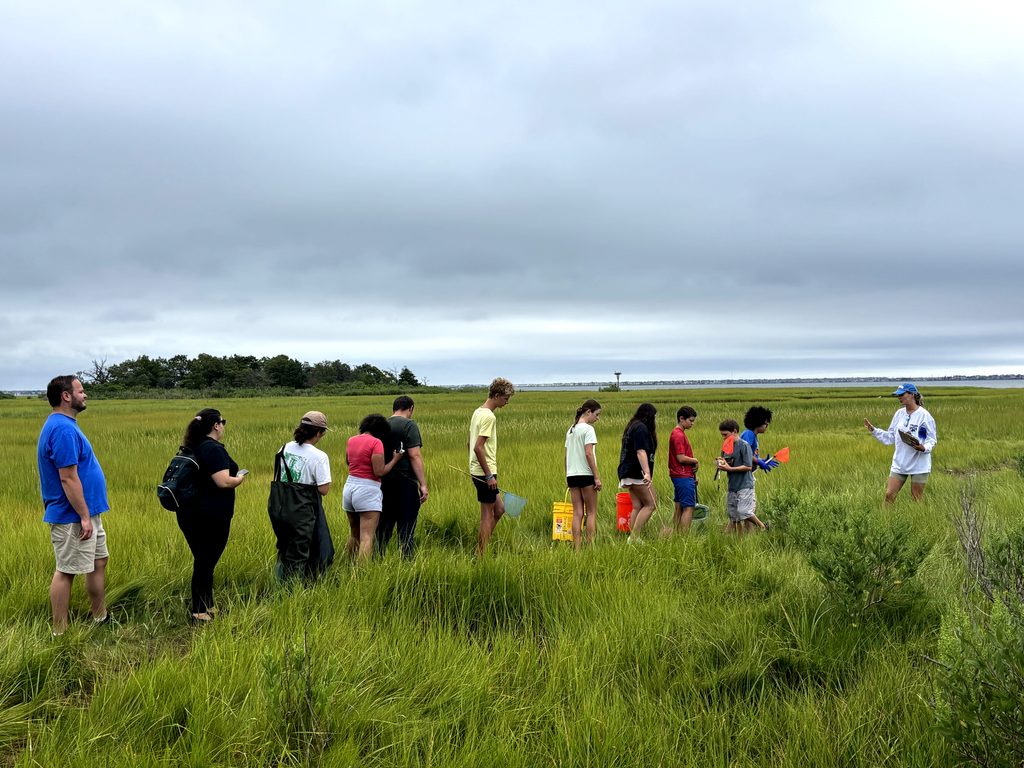
students cleaning up the marsh

Get Your Team Involved

This year, we are also inviting local businesses, organizations, schools, and teams to celebrate National Estuaries Week together.

Participate in an activity that supports or helps you learn about the Barnegat Bay watershed, such as organizing a cleanup, volunteering, attending a class, participating in an educational program, or taking part in another watershed focused activity.

Groups that participate can receive a special “We Waded In” badge to display on their website, recognizing their support for our local estuary.
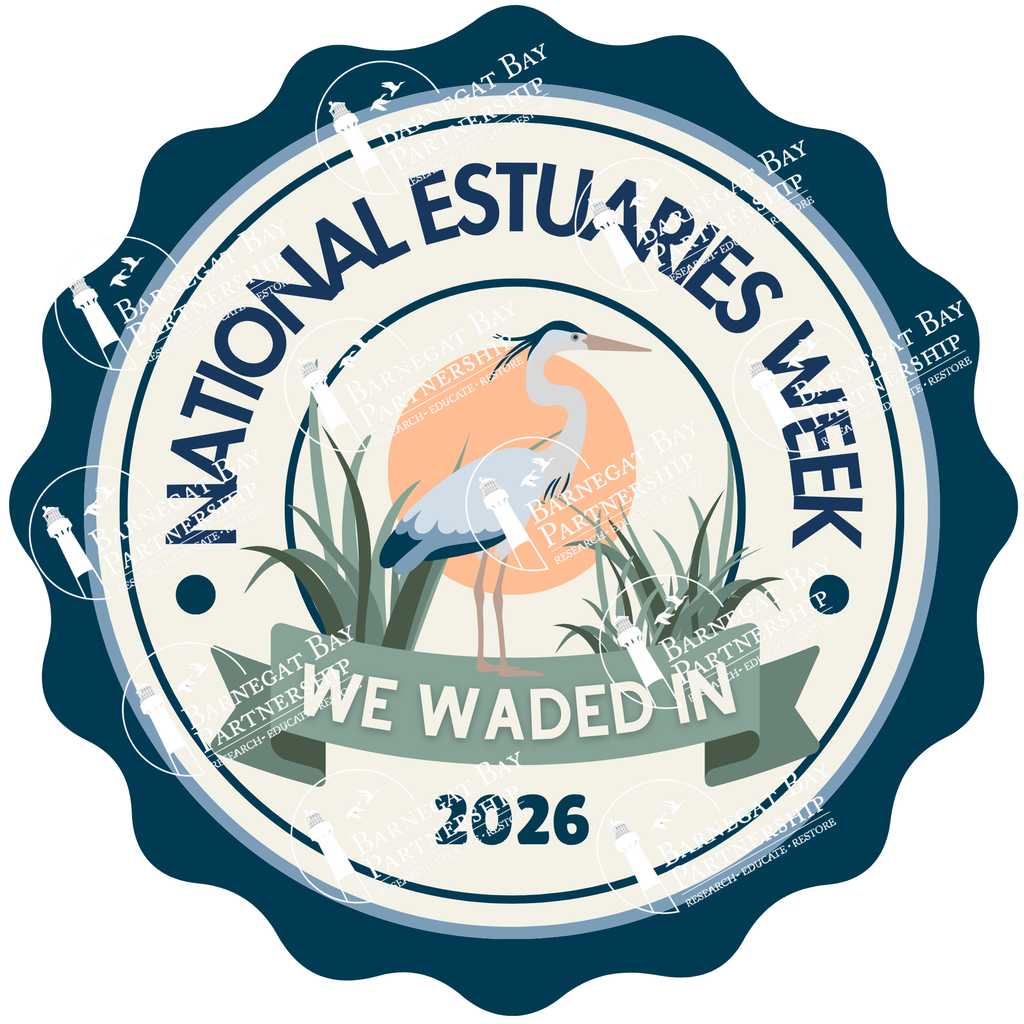
national estuary week badge (3)

It is a simple way to get your coworkers, organization, or team involved while showing your community that your business or group values the watershed we all share. If your organization would like to be recognized for participation, please contact Nina Sassano nsassano@ocean.edu.

National Estuaries Week is also an opportunity to recognize the many people already working for Barnegat Bay throughout the year. Scientists, educators, volunteers, students, municipalities, nonprofit organizations, local businesses, residents, and community groups all have a role in understanding and protecting this watershed.

At the Barnegat Bay Partnership, we work throughout the year with partners across the watershed on research, monitoring, restoration, education, and community science. National Estuaries Week gives all of us a chance to celebrate that work while finding new ways to connect people with the bay.

Whether you spend an afternoon cleaning up your neighborhood, learn something new about the watershed, volunteer with a local organization, or simply spend some time enjoying the bay, we hope you will find a way to wade in this National Estuaries Week.

Because protecting Barnegat Bay is not just about protecting the water. It is about taking care of the place we all call home.
Explore More Insights from Barnegat Bay

Dive deeper into the ongoing efforts to protect and restore our environment with more updates and initiatives that you can take part in. Check out our latest blog posts for valuable tips and insights.

UNKNOWN

There is limited data available to quantify Wetland and Riparian Buffer Preservation, or updated data to quantify Wetland Acreage. The BBP has obtained funding and will begin assessment efforts for both targets, in the next few years.


 Hard Clam abundance has not been updated since 2012. Recovery of the stock will be guided by the Fishery Management Plan for Hard Clams, which is under development with the NJDEP, BBP, and other organizations. Reclam the Bay and other partners have continued to plant clams for restoration purposes. Continued plantings in strategic locations which maximize survival and reproduction is one strategy to pursue in the coming years. This work can use a model developed by Rutgers with BBP funding which identified areas where planted clams could have the greatest dispersal of their larvae and thus potentially maximally contribute to the recovery of the stock.

 Water Withdrawals were over the target in the 2021 report; USGS has not yet completed its latest update, so a definitive determination of status is not available. However, additional NJDEP data show that it is likely that we continue to not meet the target. Per capita water use has gone down, demonstrating the effectiveness of water-saving appliances and practices, but that decrease has been offset by population gains. 


IN PROGRESS

New maps quantifying Submerged Aquatic Vegetation extent were developed, but poor image clarity resulted in a high degree of uncertainty in the total acreage. NJDEP and Rutgers are working to resolve the uncertainty of these maps, and improve the total acreage estimate. Funding has also been obtained for further research and restoration activities. Several groups are developing potential restoration actions.

The USGS has completed the first phase of its study to identify minimum ecological flows in select Barnegat Bay tributaries. USGS scientists compared streamflow statistics between historical and current time periods to better understand trends in watershed flow conditions. This work provides a foundation for developing ecological flow targets in the Barnegat Bay watershed.  Similar to SAV extent, funding (approximately $450K) has been obtained by the BBP to complete the remaining phases necessary for threshold determination.


TARGETS ACHIEVED

No targets can be considered “Achieved” at this time.


NOT ACHIEVING

Several Public Swimming Beaches exceeded their safe swimming standards more frequently than during their baseline time period (2016-2018).

While most beaches are routinely safe for swimming, several problematic areas such as Beachwood, Hancock, Windward, and several lake beaches need track-down studies and restoration to pinpoint and address sources of bacteria.

Acres of Approved Shellfish Waters decreased from the last report. While this decrease was small, it represents a loss of previously approved waters. Similar to public beaches, track-down studies and restoration work are needed to pinpoint and address sources of bacteria.


Join Us in Celebrating National Estuaries Week September 19-27, 2026

National Estuaries Week is a nationwide celebration of the bays, sounds, wetlands, and coastal waters that connect our communities. Each September, organizations and communities across the country come together to celebrate their local estuaries and find ways to give back to the waters that give so much to us.

Barnegat Lighthouse

What began as National Estuaries Day in 1988 has grown into a national celebration bringing together thousands of people through cleanups, restoration projects, educational programs, community science, and other activities. Last year alone, more than 4,500 volunteers representing dozens of partner organizations participated in 55 restoration and cleanup projects across the East Coast, Gulf Coast, West Coast, Great Lakes, and Puerto Rico.

Our Barnegat Bay system is an estuary, a place where freshwater flowing from rivers, streams, and the surrounding watershed meets saltwater from the ocean. That mixing creates a highly productive ecosystem that provides habitat for fish, shellfish, birds, plants, and countless other species.

But the importance of the bay extends well beyond the water itself. Our estuary is connected to the neighborhoods, businesses, parks, schools, forests, streams, and communities throughout the watershed. What happens on land ultimately has the potential to affect the water downstream.

There are plenty of ways to celebrate and support Barnegat Bay during National Estuaries Week, even if you never set foot in the bay.

Spend some time exploring a local marsh, creek, or park. Join a cleanup. Learn more about native plants and how they support a healthy watershed. Attend a class or educational program. Volunteer with a local environmental organization. Pick up litter in your neighborhood before it has a chance to reach a storm drain. Even taking the time to learn something new about your watershed is a way to better understand the estuary we all share.

students cleaning up the marsh

Get Your Team Involved

This year, we are also inviting local businesses, organizations, schools, and teams to celebrate National Estuaries Week together.

Participate in an activity that supports or helps you learn about the Barnegat Bay watershed, such as organizing a cleanup, volunteering, attending a class, participating in an educational program, or taking part in another watershed focused activity.

Groups that participate can receive a special “We Waded In” badge to display on their website, recognizing their support for our local estuary.

national estuary week badge (3)

It is a simple way to get your coworkers, organization, or team involved while showing your community that your business or group values the watershed we all share. If your organization would like to be recognized for participation, please contact Nina Sassano nsassano@ocean.edu.

National Estuaries Week is also an opportunity to recognize the many people already working for Barnegat Bay throughout the year. Scientists, educators, volunteers, students, municipalities, nonprofit organizations, local businesses, residents, and community groups all have a role in understanding and protecting this watershed.

At the Barnegat Bay Partnership, we work throughout the year with partners across the watershed on research, monitoring, restoration, education, and community science. National Estuaries Week gives all of us a chance to celebrate that work while finding new ways to connect people with the bay.

Whether you spend an afternoon cleaning up your neighborhood, learn something new about the watershed, volunteer with a local organization, or simply spend some time enjoying the bay, we hope you will find a way to wade in this National Estuaries Week.

Because protecting Barnegat Bay is not just about protecting the water. It is about taking care of the place we all call home.
Contact Join Us in Celebrating National Estuaries Week September 19-27, 2026Contact Join Us in Celebrating National Estuaries Week September 19-27, 2026
marsh over barnegat bay