March 15, 2022

2019 Water Quality Network Annual Report

by S-FX.com

The Barnegat Bay Partnership’s 2019 Water Quality Network Annual Report is now available to view and download.

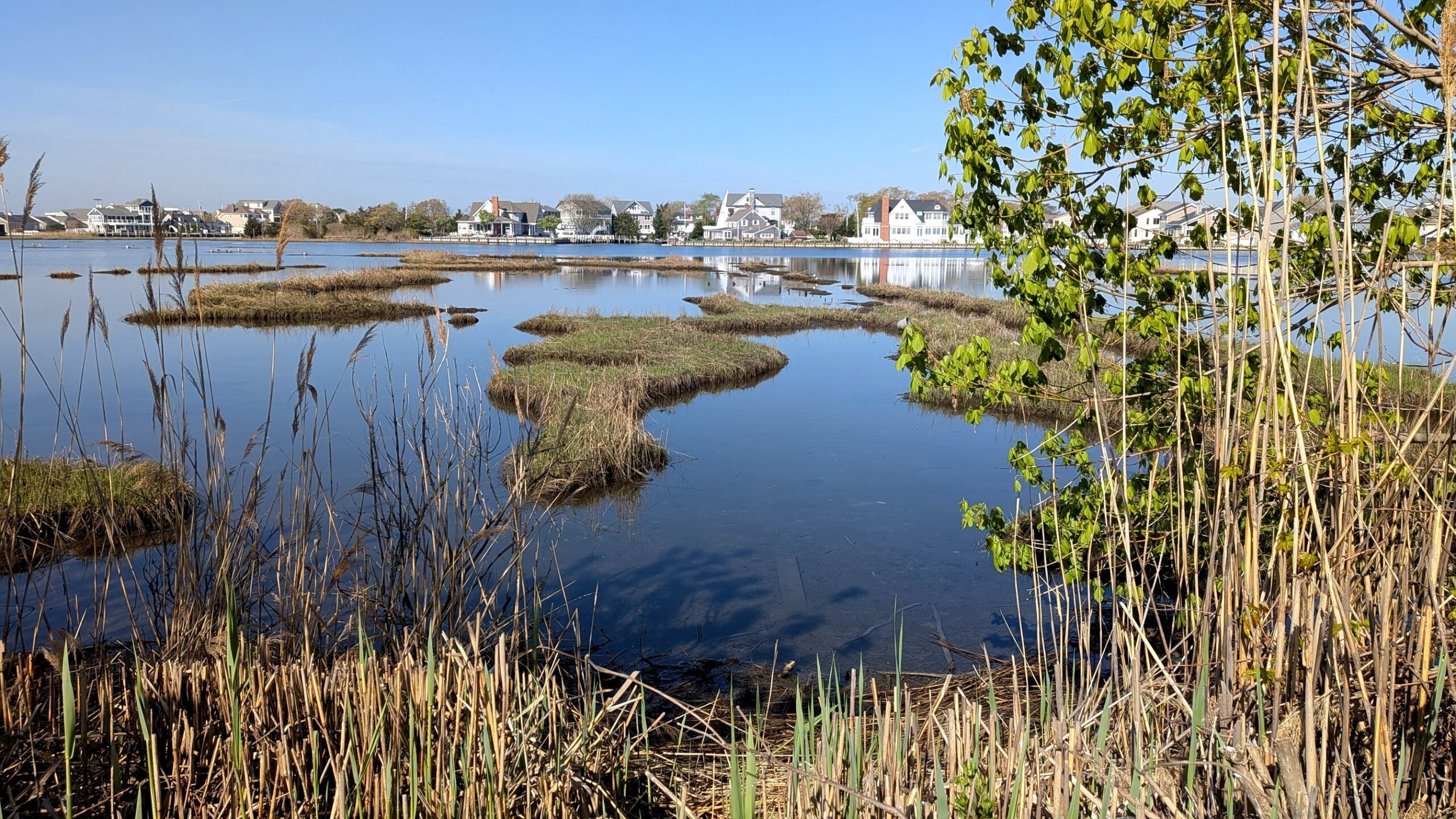
During the 2019 sampling year, the BBP collected near real-time water quality data at three continuous water quality monitoring stations to assist and support regulatory decision making, research, trend assessment, and other uses by the public.

Water Quality Continuous Monitoring Station

These stations, located within three distinct areas of the Barnegat Bay–Little Egg Harbor complex, provided data every 15 minutes from December 2018 through December 2019. A total of 616,088 measurements of salinity, temperature, dissolved oxygen, turbidity, water depth and pH were collected. The station located in Beach Haven also provided 4,802 measurements of dissolved carbon dioxide to aid researchers in monitoring changes in, and understanding the effects of, coastal acidification within Barnegat Bay.

The ability to collect continuous water quality data helps determine both current condition and trends, which may assist with restoring coastal ecosystems and protecting public health. The BBP’s 2021 Comprehensive Conservation and Management Plan (CCMP) states, “Without the proper quantity and caliber of data, it is difficult to accurately determine the true issues, and if any actions taken are addressing the problems.” The BBP’s three continuous water quality stations enhance and expand the New Jersey Department of Environmental Protection’s (NJDEP’s) continuous water quality monitoring network (https://njdep.rutgers.edu/continuous/) and provide the only coastal acidification sensors within Barnegat Bay.

In 2019, the program improved upon its quality control processes in order to provide more accurate and reliable data to stakeholders. Additionally, a new mounting frame and track system for deploying the coastal acidification sensors was built and installed with the assistance of the Ocean County College Maker’s Club and the Berkeley Township Underwater Search and Rescue Squad. This system has proven to be sturdier than the previous deployment methodology; thus, the BBP is confident that this will result in longer duration deployments and more consistent data in the future.
Explore More Insights from Barnegat Bay

Dive deeper into the ongoing efforts to protect and restore our environment with more updates and initiatives that you can take part in. Check out our latest blog posts for valuable tips and insights.

2019 Water Quality Network Annual Report

The Barnegat Bay Partnership’s 2019 Water Quality Network Annual Report is now available to view and download.

During the 2019 sampling year, the BBP collected near real-time water quality data at three continuous water quality monitoring stations to assist and support regulatory decision making, research, trend assessment, and other uses by the public.

Water Quality Continuous Monitoring Station

These stations, located within three distinct areas of the Barnegat Bay–Little Egg Harbor complex, provided data every 15 minutes from December 2018 through December 2019. A total of 616,088 measurements of salinity, temperature, dissolved oxygen, turbidity, water depth and pH were collected. The station located in Beach Haven also provided 4,802 measurements of dissolved carbon dioxide to aid researchers in monitoring changes in, and understanding the effects of, coastal acidification within Barnegat Bay.

The ability to collect continuous water quality data helps determine both current condition and trends, which may assist with restoring coastal ecosystems and protecting public health. The BBP’s 2021 Comprehensive Conservation and Management Plan (CCMP) states, “Without the proper quantity and caliber of data, it is difficult to accurately determine the true issues, and if any actions taken are addressing the problems.” The BBP’s three continuous water quality stations enhance and expand the New Jersey Department of Environmental Protection’s (NJDEP’s) continuous water quality monitoring network (https://njdep.rutgers.edu/continuous/) and provide the only coastal acidification sensors within Barnegat Bay.

In 2019, the program improved upon its quality control processes in order to provide more accurate and reliable data to stakeholders. Additionally, a new mounting frame and track system for deploying the coastal acidification sensors was built and installed with the assistance of the Ocean County College Maker’s Club and the Berkeley Township Underwater Search and Rescue Squad. This system has proven to be sturdier than the previous deployment methodology; thus, the BBP is confident that this will result in longer duration deployments and more consistent data in the future.
Contact 2019 Water Quality Network Annual ReportContact 2019 Water Quality Network Annual Report