February 4, 2021

Municipalities Encouraged to Adopt Stronger Stormwater Measures

by S-FX.com

jfy jersey friendly yards

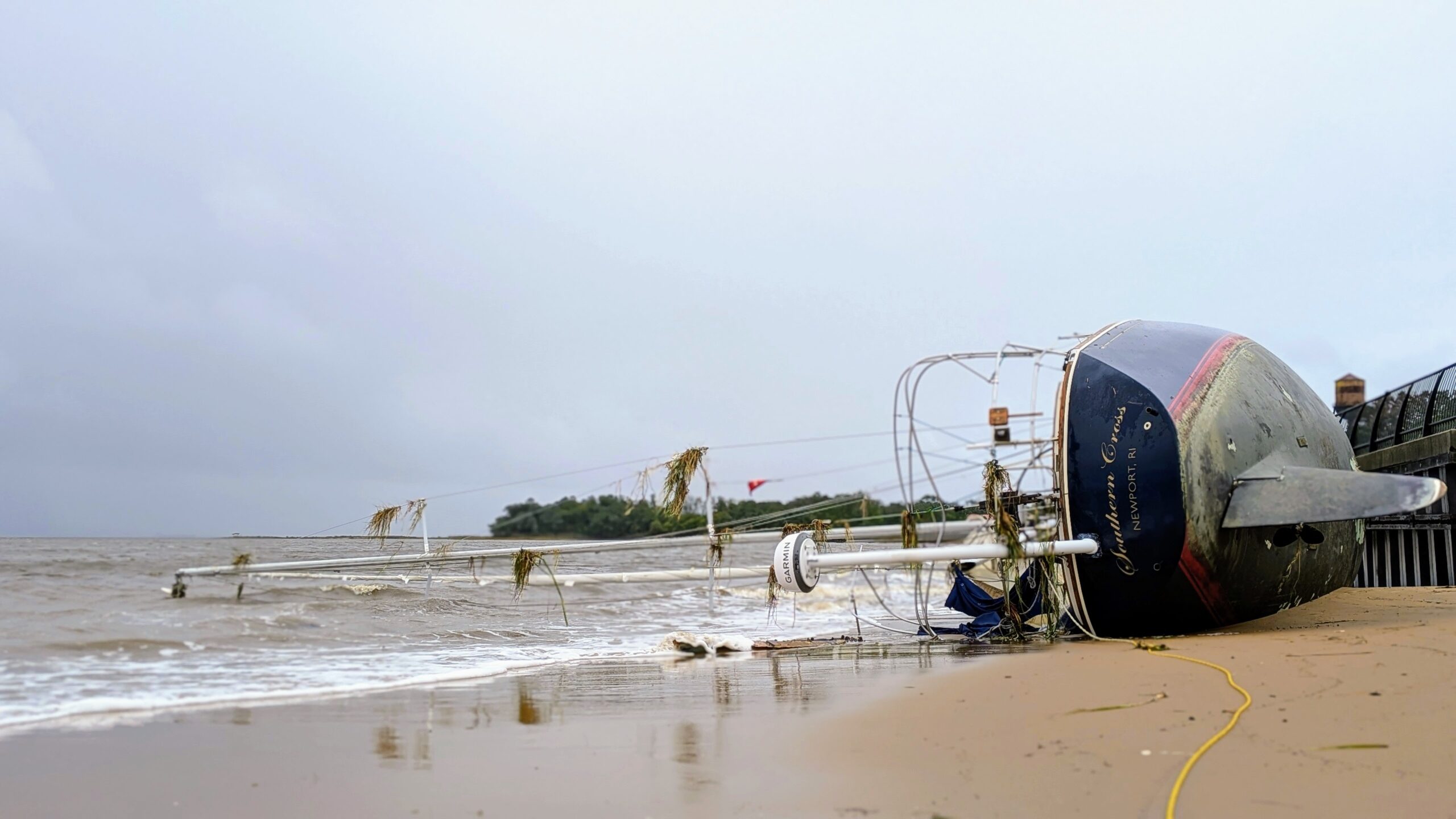
The climate is changing. Most experts suggest that New Jersey will experience increases in the overall amount of precipitation in coming years. Heavy precipitation events, including nor’easters and named storms, will occur more often and increase in intensity. Thus, we will see increased nuisance and major flooding in many areas.

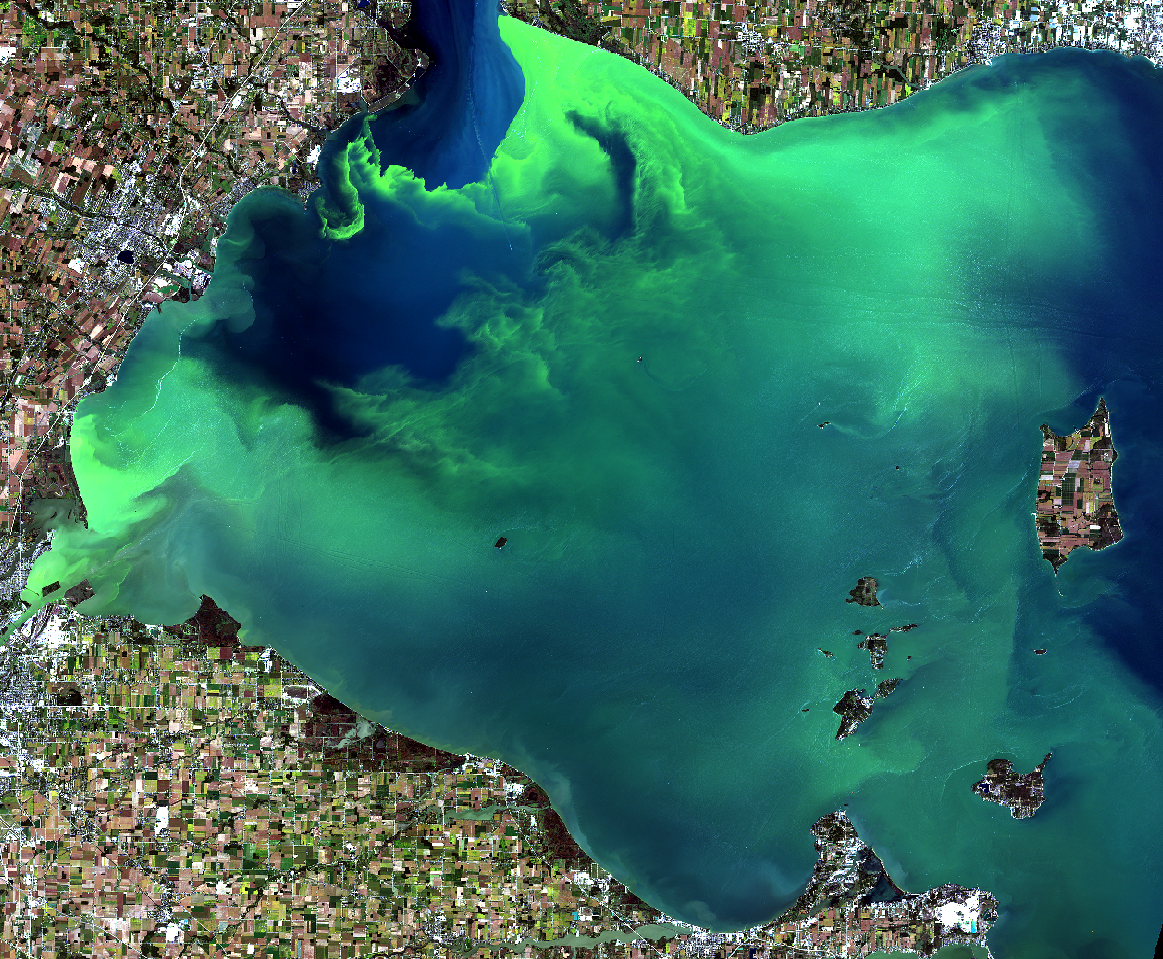
Stormwater systems (storm drains, detention basins, culverts, etc.) designed for rainfall amounts from 20 years ago will be unable to handle the additional stormwater, exacerbating flooding that is already causing problems throughout the state. Locally, stormwater running off of the developed landscape will carry additional pollutants into our already stressed streams, rivers, and ultimately our bays. In its 2016 analysis of water quality within the Barnegat Bay watershed, the NJ Department of Environmental Protection reported that 5 segments of the bay and 24 tributaries do not meet assigned designated uses, often due to excessive nutrients and other pollutants delivered in stormwater runoff. 

In recognition of these changing conditions, the NJ Department of Environmental Protection recently revised its Stormwater Regulations to require the use of green infrastructure (GI) to manage stormwater close to its source.  Green infrastructure enables stormwater and melting snow to soak into soils near where they fall or be captured for beneficial re-use. GI techniques include pervious pavement, rain gardens, rain barrels and cisterns, vegetated swales, and bioretention basins. This way of managing and retaining the stormwater on a developed site minimizes the flow of stormwater and pollutants into the local stormwater system and the surface waters within the watershed.

Importantly, the revised Stormwater Regulations allow municipalities to take additional actions, including adopting ordinances with standards stronger than the statewide minimum requirements, and to implement stronger or additional measures to improve local water quality and reduce flooding. Municipalities which employ additional and optional measures (e.g., pervious pavement, stormwater swales, stormwater basin retrofits) to address stormwater runoff from the developed landscape can eliminate localized flooding in many areas and reduce pollutant loads and eutrophication throughout the Barnegat Bay watershed.

Because stormwater pollution and flooding are likely to worsen throughout the watershed, the Barnegat Bay Partnership and its partners strongly encourage all municipalities to implement various additional and optional measures and enhanced stormwater protection actions, including ordinances with standards stronger than the DEP minimum stormwater regulation requirements. Because choosing among optional measures requires site-specific and other information, we encourage municipal officials and others to consult with experts, such as local engineering firms specializing in stormwater management, as well as the NJDEP and Barnegat Bay Partnership. The BBP’s Recommendations to Municipalities to Reduce Nonpoint Source Pollution and Flooding from Stormwater includes links to several model stormwater ordinances.

Adoption of additional measures to manage stormwater now will position municipalities to take advantage of future state and federal funding opportunities related to stormwater management and green infrastructure, and will provide a head start on nutrient reductions likely to be required under additional regulations currently being contemplated. Thus, these enhanced measures to address stormwater runoff will have substantial benefits to municipalities, especially in areas that currently experience frequent flooding, and should be pursued with all haste.
Explore More Insights from Barnegat Bay

Dive deeper into the ongoing efforts to protect and restore our environment with more updates and initiatives that you can take part in. Check out our latest blog posts for valuable tips and insights.

UNKNOWN

There is limited data available to quantify Wetland and Riparian Buffer Preservation, or updated data to quantify Wetland Acreage. The BBP has obtained funding and will begin assessment efforts for both targets, in the next few years.


 Hard Clam abundance has not been updated since 2012. Recovery of the stock will be guided by the Fishery Management Plan for Hard Clams, which is under development with the NJDEP, BBP, and other organizations. Reclam the Bay and other partners have continued to plant clams for restoration purposes. Continued plantings in strategic locations which maximize survival and reproduction is one strategy to pursue in the coming years. This work can use a model developed by Rutgers with BBP funding which identified areas where planted clams could have the greatest dispersal of their larvae and thus potentially maximally contribute to the recovery of the stock.

 Water Withdrawals were over the target in the 2021 report; USGS has not yet completed its latest update, so a definitive determination of status is not available. However, additional NJDEP data show that it is likely that we continue to not meet the target. Per capita water use has gone down, demonstrating the effectiveness of water-saving appliances and practices, but that decrease has been offset by population gains. 


IN PROGRESS

New maps quantifying Submerged Aquatic Vegetation extent were developed, but poor image clarity resulted in a high degree of uncertainty in the total acreage. NJDEP and Rutgers are working to resolve the uncertainty of these maps, and improve the total acreage estimate. Funding has also been obtained for further research and restoration activities. Several groups are developing potential restoration actions.

The USGS has completed the first phase of its study to identify minimum ecological flows in select Barnegat Bay tributaries. USGS scientists compared streamflow statistics between historical and current time periods to better understand trends in watershed flow conditions. This work provides a foundation for developing ecological flow targets in the Barnegat Bay watershed.  Similar to SAV extent, funding (approximately $450K) has been obtained by the BBP to complete the remaining phases necessary for threshold determination.


TARGETS ACHIEVED

No targets can be considered “Achieved” at this time.


NOT ACHIEVING

Several Public Swimming Beaches exceeded their safe swimming standards more frequently than during their baseline time period (2016-2018).

While most beaches are routinely safe for swimming, several problematic areas such as Beachwood, Hancock, Windward, and several lake beaches need track-down studies and restoration to pinpoint and address sources of bacteria.

Acres of Approved Shellfish Waters decreased from the last report. While this decrease was small, it represents a loss of previously approved waters. Similar to public beaches, track-down studies and restoration work are needed to pinpoint and address sources of bacteria.


Municipalities Encouraged to Adopt Stronger Stormwater Measures

The climate is changing. Most experts suggest that New Jersey will experience increases in the overall amount of precipitation in coming years. Heavy precipitation events, including nor’easters and named storms, will occur more often and increase in intensity. Thus, we will see increased nuisance and major flooding in many areas.

Stormwater systems (storm drains, detention basins, culverts, etc.) designed for rainfall amounts from 20 years ago will be unable to handle the additional stormwater, exacerbating flooding that is already causing problems throughout the state. Locally, stormwater running off of the developed landscape will carry additional pollutants into our already stressed streams, rivers, and ultimately our bays. In its 2016 analysis of water quality within the Barnegat Bay watershed, the NJ Department of Environmental Protection reported that 5 segments of the bay and 24 tributaries do not meet assigned designated uses, often due to excessive nutrients and other pollutants delivered in stormwater runoff. 

In recognition of these changing conditions, the NJ Department of Environmental Protection recently revised its Stormwater Regulations to require the use of green infrastructure (GI) to manage stormwater close to its source.  Green infrastructure enables stormwater and melting snow to soak into soils near where they fall or be captured for beneficial re-use. GI techniques include pervious pavement, rain gardens, rain barrels and cisterns, vegetated swales, and bioretention basins. This way of managing and retaining the stormwater on a developed site minimizes the flow of stormwater and pollutants into the local stormwater system and the surface waters within the watershed.

Importantly, the revised Stormwater Regulations allow municipalities to take additional actions, including adopting ordinances with standards stronger than the statewide minimum requirements, and to implement stronger or additional measures to improve local water quality and reduce flooding. Municipalities which employ additional and optional measures (e.g., pervious pavement, stormwater swales, stormwater basin retrofits) to address stormwater runoff from the developed landscape can eliminate localized flooding in many areas and reduce pollutant loads and eutrophication throughout the Barnegat Bay watershed.

Because stormwater pollution and flooding are likely to worsen throughout the watershed, the Barnegat Bay Partnership and its partners strongly encourage all municipalities to implement various additional and optional measures and enhanced stormwater protection actions, including ordinances with standards stronger than the DEP minimum stormwater regulation requirements. Because choosing among optional measures requires site-specific and other information, we encourage municipal officials and others to consult with experts, such as local engineering firms specializing in stormwater management, as well as the NJDEP and Barnegat Bay Partnership. The BBP’s Recommendations to Municipalities to Reduce Nonpoint Source Pollution and Flooding from Stormwater includes links to several model stormwater ordinances.

Adoption of additional measures to manage stormwater now will position municipalities to take advantage of future state and federal funding opportunities related to stormwater management and green infrastructure, and will provide a head start on nutrient reductions likely to be required under additional regulations currently being contemplated. Thus, these enhanced measures to address stormwater runoff will have substantial benefits to municipalities, especially in areas that currently experience frequent flooding, and should be pursued with all haste.
Contact Municipalities Encouraged to Adopt Stronger Stormwater MeasuresContact Municipalities Encouraged to Adopt Stronger Stormwater Measures
jfy jersey friendly yards