January 26, 2026

Snow Day Science: How Winter Weather Shapes the Health of the Barnegat Bay

by Nina Sassano

Winter weather is part of life in the Barnegat Bay watershed, and keeping roads and walkways safe during snow and ice events is essential. Road salt plays an important role in public safety, but how we use it matters. With thoughtful choices and growing awareness, winter can also be a season of opportunity to protect local waterways and the Barnegat Bay.

salt

As snow melts, water flows across roads, parking lots, and driveways and into nearby storm drains. In many communities around the bay, these drains lead directly to streams and lagoons. Along the way, dissolved salt moves with the meltwater. Scientists have found that chloride levels in streams often rise during winter melt events, especially in developed watersheds like Barnegat Bay (US Geological Survey, 2018). The good news is that chloride pollution is closely tied to human behavior, which means it can be reduced.

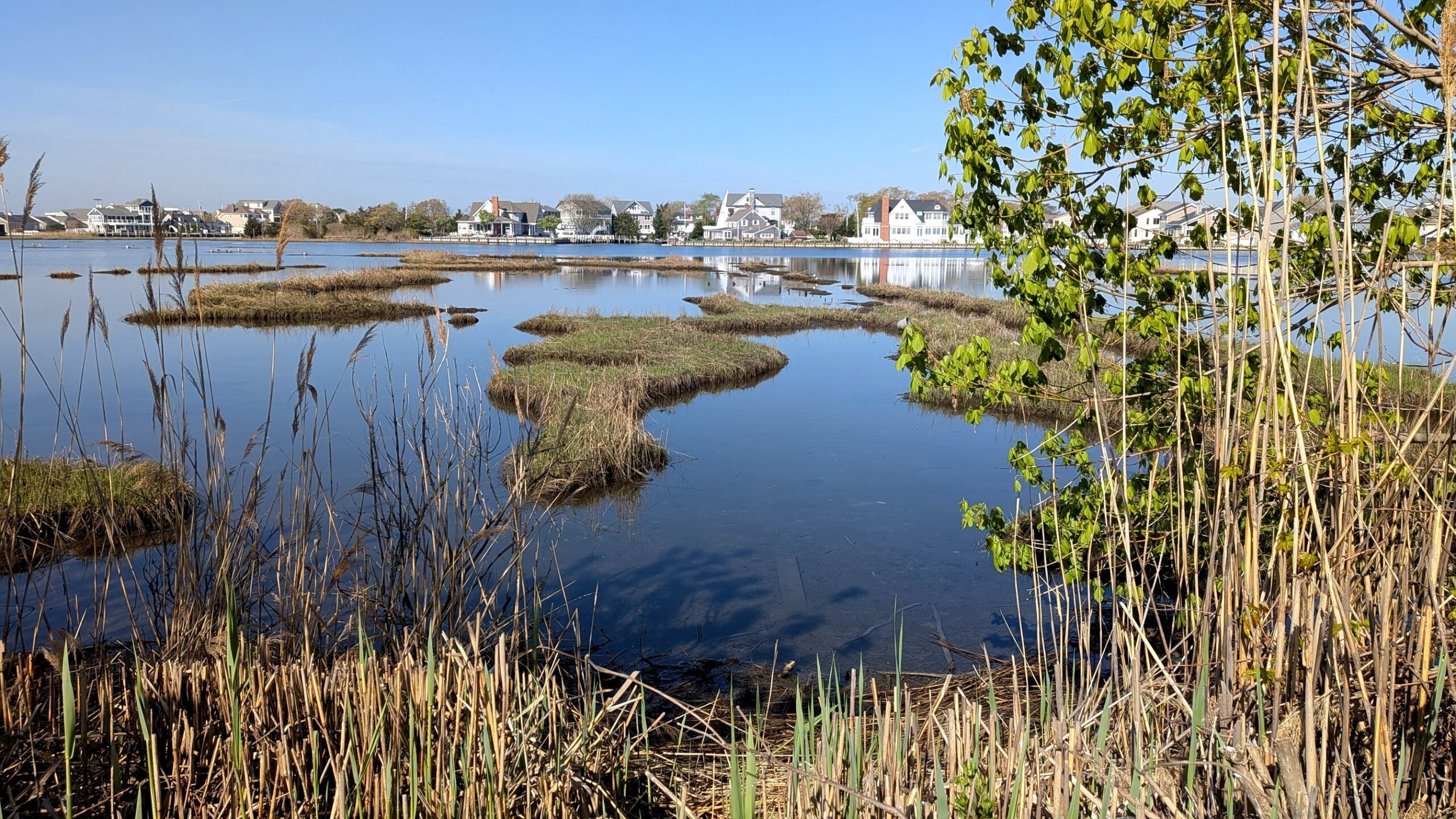
Freshwater streams and wetlands throughout the watershed play a vital role in supporting the Barnegat Bay. These areas provide habitat, filter pollutants, and help regulate water flow. Research shows that when salt levels are kept in check, aquatic communities are more diverse and resilient (Environmental Protection Agency, 2021). Protecting these upstream systems helps maintain the natural balance of fresh and salt water that makes the bay such a productive and valuable estuary.

Communities across New Jersey are already making progress. Many municipalities now use improved spreader calibration, weather based application strategies, and salt brines that melt ice more efficiently using less material. These practices reduce costs, improve road safety, and limit the amount of salt entering local waterways. As these approaches become more widespread, their benefits to the Barnegat Bay continue to grow.

pxl 20260117 200737384

Healthy vegetation also plays a powerful role in protecting water quality. Roadside buffers, forests, and wetlands slow runoff and capture pollutants before they reach streams. Reducing salt stress helps these natural systems stay strong and effective (New Jersey Department of Environmental Protection, 2020). Protecting and restoring vegetated areas throughout the watershed is one of the most effective ways to safeguard the bay year round.

Even as winters change, there is reason for optimism. While freeze thaw cycles can increase the need for careful winter maintenance, they also highlight the value of smart, adaptive management. Small actions add up. Shoveling early, using the right amount of deicer, and keeping salt off pavement edges can significantly reduce what washes into storm drains. When residents, businesses, and municipalities work together, the cumulative impact is meaningful.

The Barnegat Bay is shaped by everything that happens on the land around it, in every season. Winter may look quiet, but it is a powerful reminder that stewardship does not take a break. By using salt wisely and supporting practices that protect water quality, we can keep our roads safe and our bay healthy, now and for future generations.

For a full list of ways to remain “Salt Smart” in NJ, check out this flyer by Brick Municipal Utilities Authority.

Interested in learning more about how water resource managers monitor and manage salt entering our waterways? Check out this free webinar hosted by Penn State Extension on February 18, 2026. Register here!


References

Environmental Protection Agency. 2021. Aquatic Life Criteria for Chloride. US EPA Office of Water.

New Jersey Department of Environmental Protection. 2020. Impacts of Road Salt on Vegetation and Water Resources in New Jersey.

US Geological Survey. 2018. Chloride in Groundwater and Surface Water in the Northern United States.

National Climate Assessment. 2023. Northeast Chapter: Climate Trends and Impacts.
Explore More Insights from Barnegat Bay

Dive deeper into the ongoing efforts to protect and restore our environment with more updates and initiatives that you can take part in. Check out our latest blog posts for valuable tips and insights.

Snow Day Science: How Winter Weather Shapes the Health of the Barnegat Bay

Winter weather is part of life in the Barnegat Bay watershed, and keeping roads and walkways safe during snow and ice events is essential. Road salt plays an important role in public safety, but how we use it matters. With thoughtful choices and growing awareness, winter can also be a season of opportunity to protect local waterways and the Barnegat Bay.

salt

As snow melts, water flows across roads, parking lots, and driveways and into nearby storm drains. In many communities around the bay, these drains lead directly to streams and lagoons. Along the way, dissolved salt moves with the meltwater. Scientists have found that chloride levels in streams often rise during winter melt events, especially in developed watersheds like Barnegat Bay (US Geological Survey, 2018). The good news is that chloride pollution is closely tied to human behavior, which means it can be reduced.

Freshwater streams and wetlands throughout the watershed play a vital role in supporting the Barnegat Bay. These areas provide habitat, filter pollutants, and help regulate water flow. Research shows that when salt levels are kept in check, aquatic communities are more diverse and resilient (Environmental Protection Agency, 2021). Protecting these upstream systems helps maintain the natural balance of fresh and salt water that makes the bay such a productive and valuable estuary.

Communities across New Jersey are already making progress. Many municipalities now use improved spreader calibration, weather based application strategies, and salt brines that melt ice more efficiently using less material. These practices reduce costs, improve road safety, and limit the amount of salt entering local waterways. As these approaches become more widespread, their benefits to the Barnegat Bay continue to grow.

pxl 20260117 200737384

Healthy vegetation also plays a powerful role in protecting water quality. Roadside buffers, forests, and wetlands slow runoff and capture pollutants before they reach streams. Reducing salt stress helps these natural systems stay strong and effective (New Jersey Department of Environmental Protection, 2020). Protecting and restoring vegetated areas throughout the watershed is one of the most effective ways to safeguard the bay year round.

Even as winters change, there is reason for optimism. While freeze thaw cycles can increase the need for careful winter maintenance, they also highlight the value of smart, adaptive management. Small actions add up. Shoveling early, using the right amount of deicer, and keeping salt off pavement edges can significantly reduce what washes into storm drains. When residents, businesses, and municipalities work together, the cumulative impact is meaningful.

The Barnegat Bay is shaped by everything that happens on the land around it, in every season. Winter may look quiet, but it is a powerful reminder that stewardship does not take a break. By using salt wisely and supporting practices that protect water quality, we can keep our roads safe and our bay healthy, now and for future generations.

For a full list of ways to remain “Salt Smart” in NJ, check out this flyer by Brick Municipal Utilities Authority.

Interested in learning more about how water resource managers monitor and manage salt entering our waterways? Check out this free webinar hosted by Penn State Extension on February 18, 2026. Register here!


References

Environmental Protection Agency. 2021. Aquatic Life Criteria for Chloride. US EPA Office of Water.

New Jersey Department of Environmental Protection. 2020. Impacts of Road Salt on Vegetation and Water Resources in New Jersey.

US Geological Survey. 2018. Chloride in Groundwater and Surface Water in the Northern United States.

National Climate Assessment. 2023. Northeast Chapter: Climate Trends and Impacts.
Contact Snow Day Science: How Winter Weather Shapes the Health of the Barnegat BayContact Snow Day Science: How Winter Weather Shapes the Health of the Barnegat Bay