June 24, 2026

The 2026 Barnegat Bay Master Naturalist Class

by Nina Sassano

The Master Naturalist Program is a science-based adult education and volunteer initiative designed to train individuals as environmental stewards and citizen scientists. Participants complete a comprehensive core training curriculum that pairs lectures with immersive outdoor field experiences led by regional ecological experts, learning how to monitor wildlife, manage invasive species, and lead public outreach. Once certified, these volunteers serve as dedicated, long-term advocates who act as the vital boots on the ground for local natural resources.

Bringing this mission home to our local coastal ecosystems, the 2026 graduating class of Barnegat Bay Master Naturalists is officially ready to step into their roles. This year, fifteen dedicated individuals from varying backgrounds came together to immerse themselves specifically in the ecology of the Barnegat Bay watershed. Learning directly from local scientists and environmental professionals, this new cohort focused on regional wetland restoration and watershed management. Equipped with this specialized knowledge, the graduates are prepared to apply their training directly to critical conservation projects and public outreach that will protect and preserve the bay for years to come.

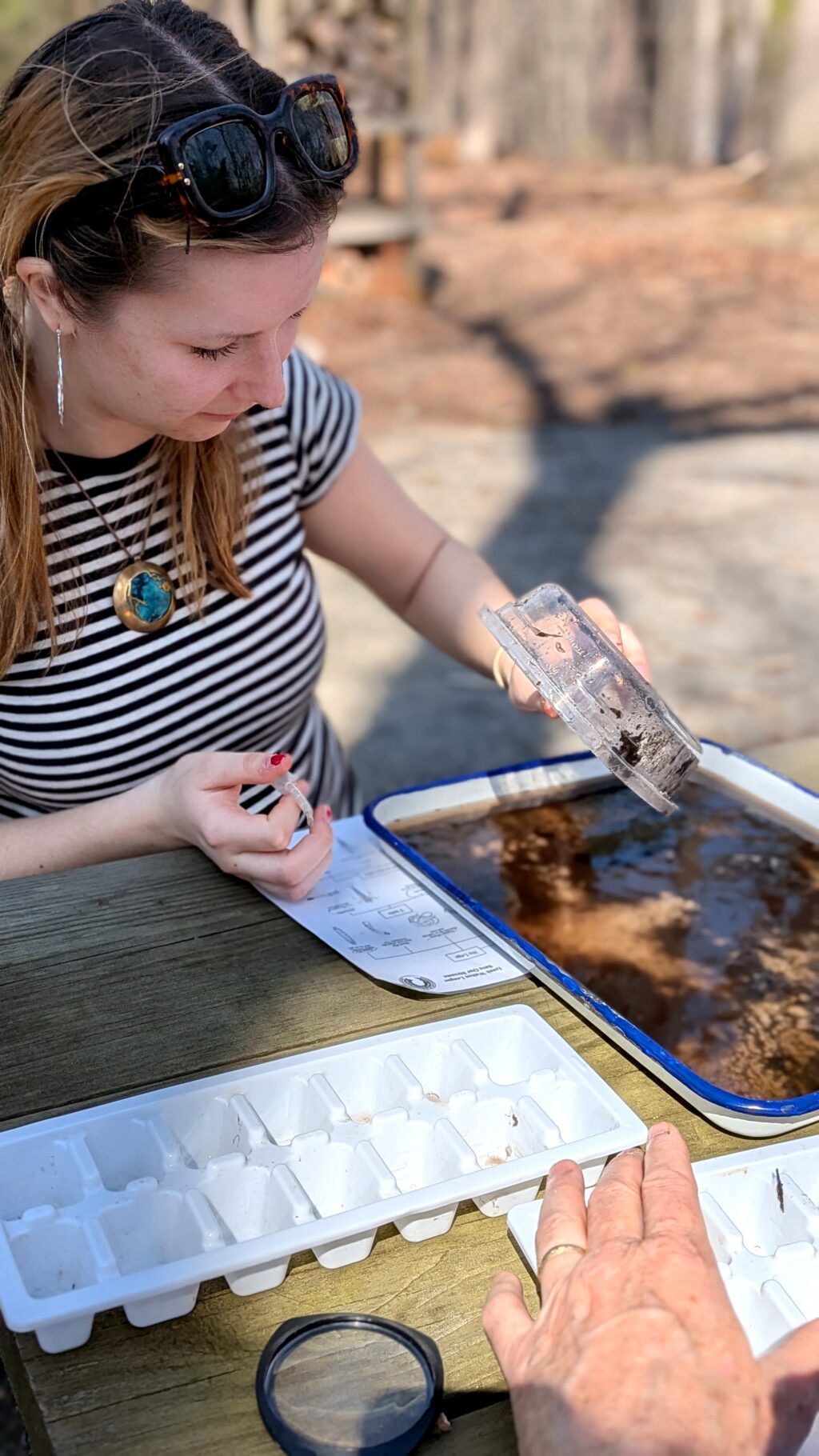
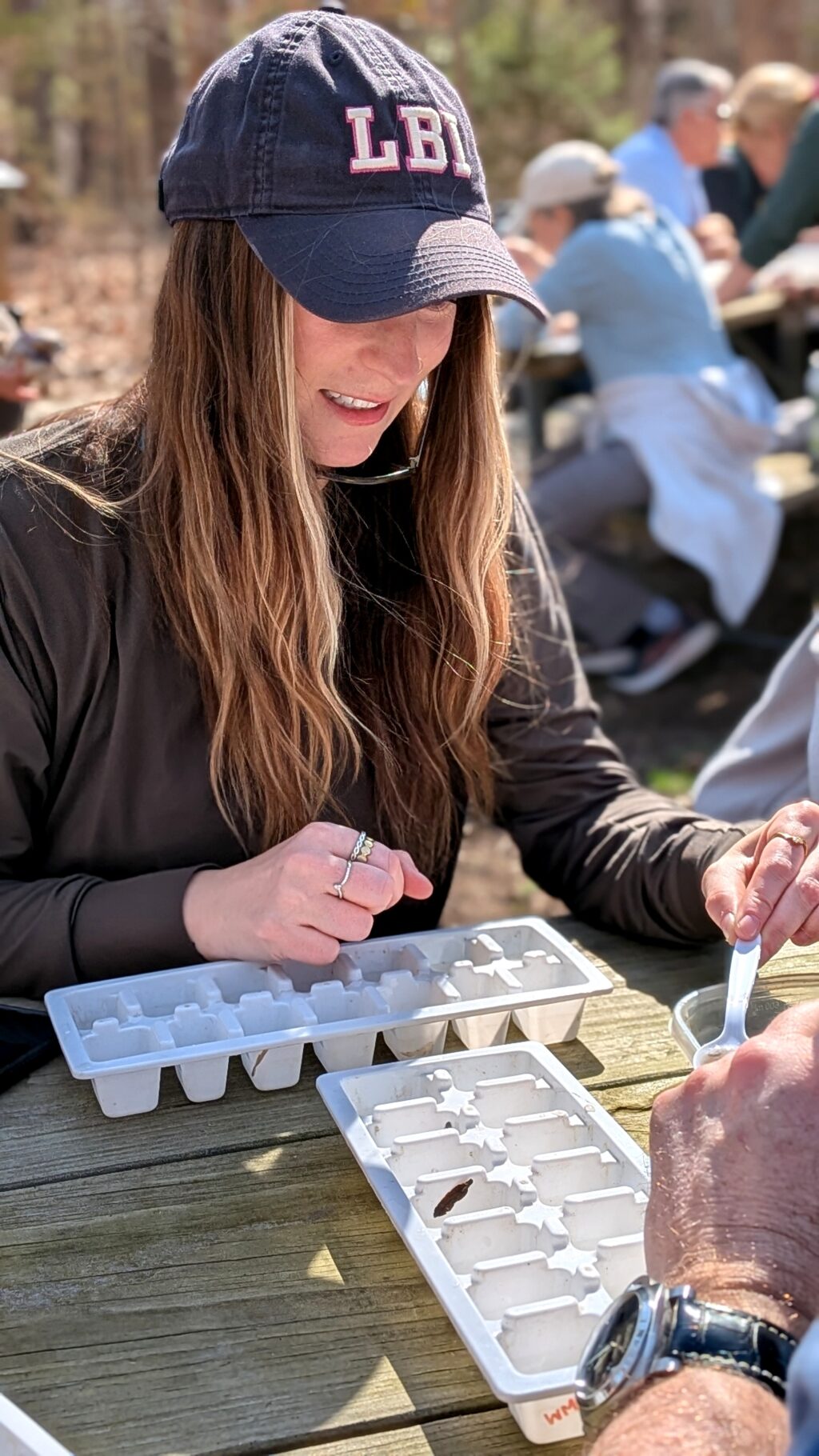
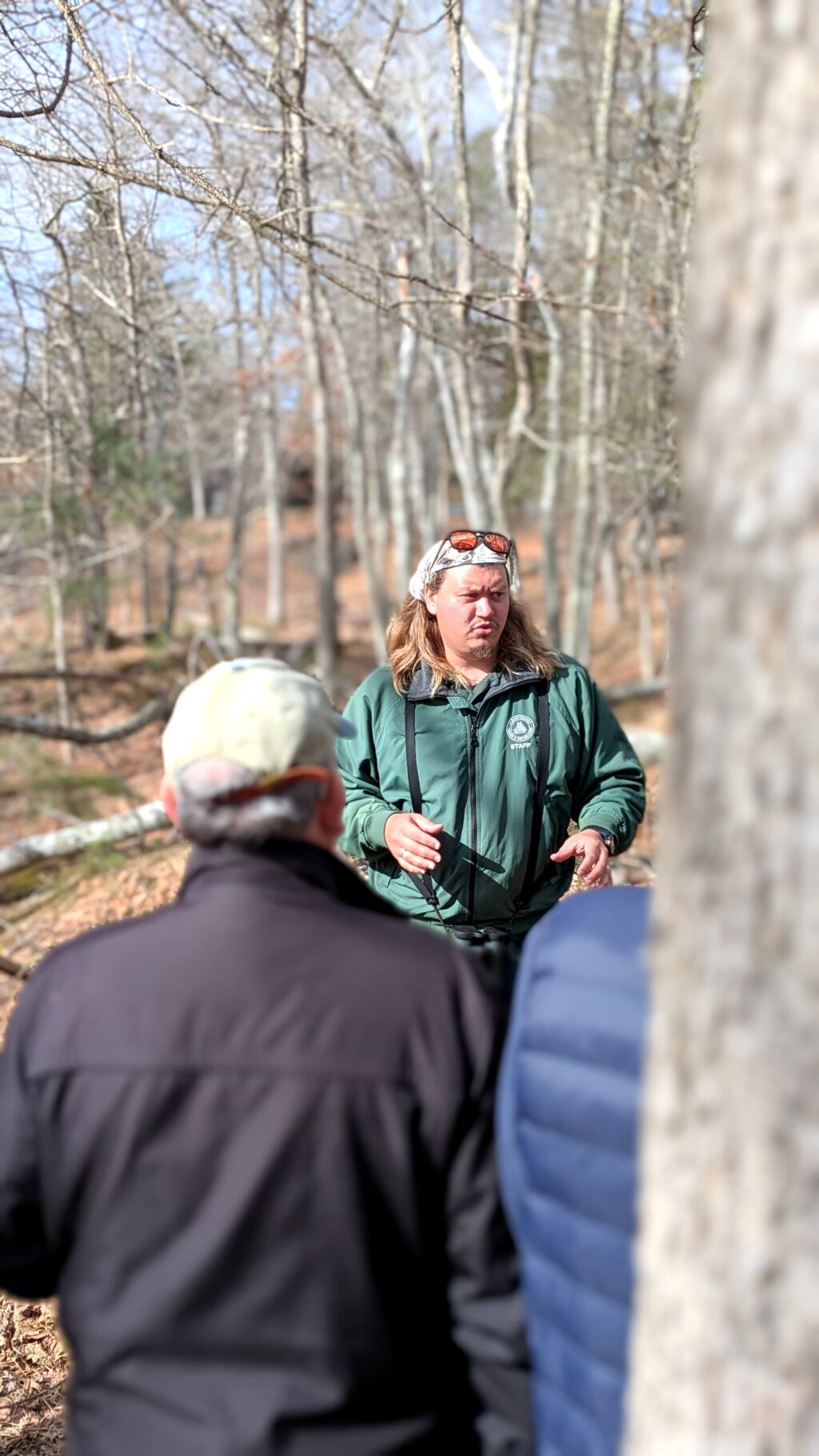
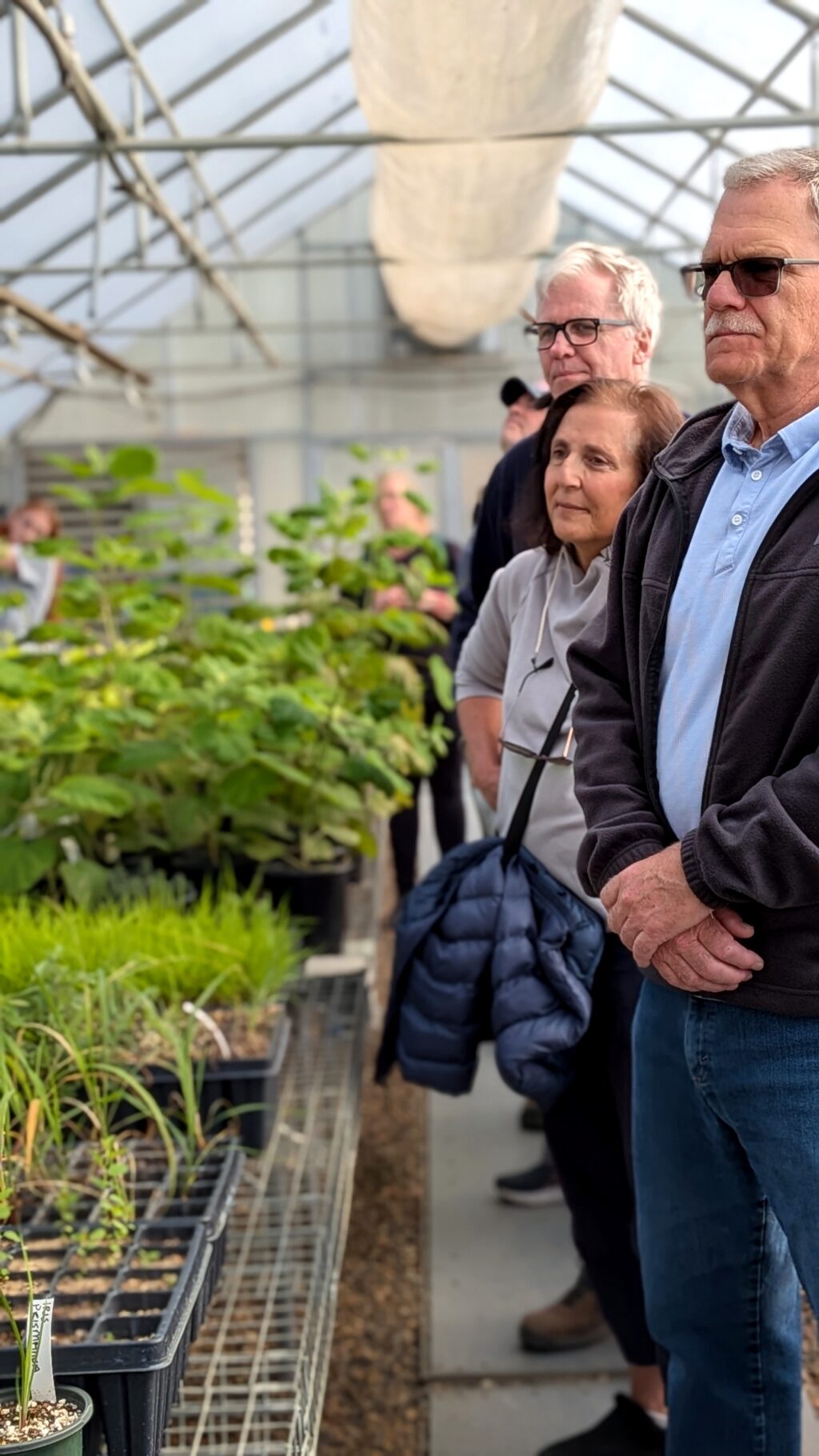
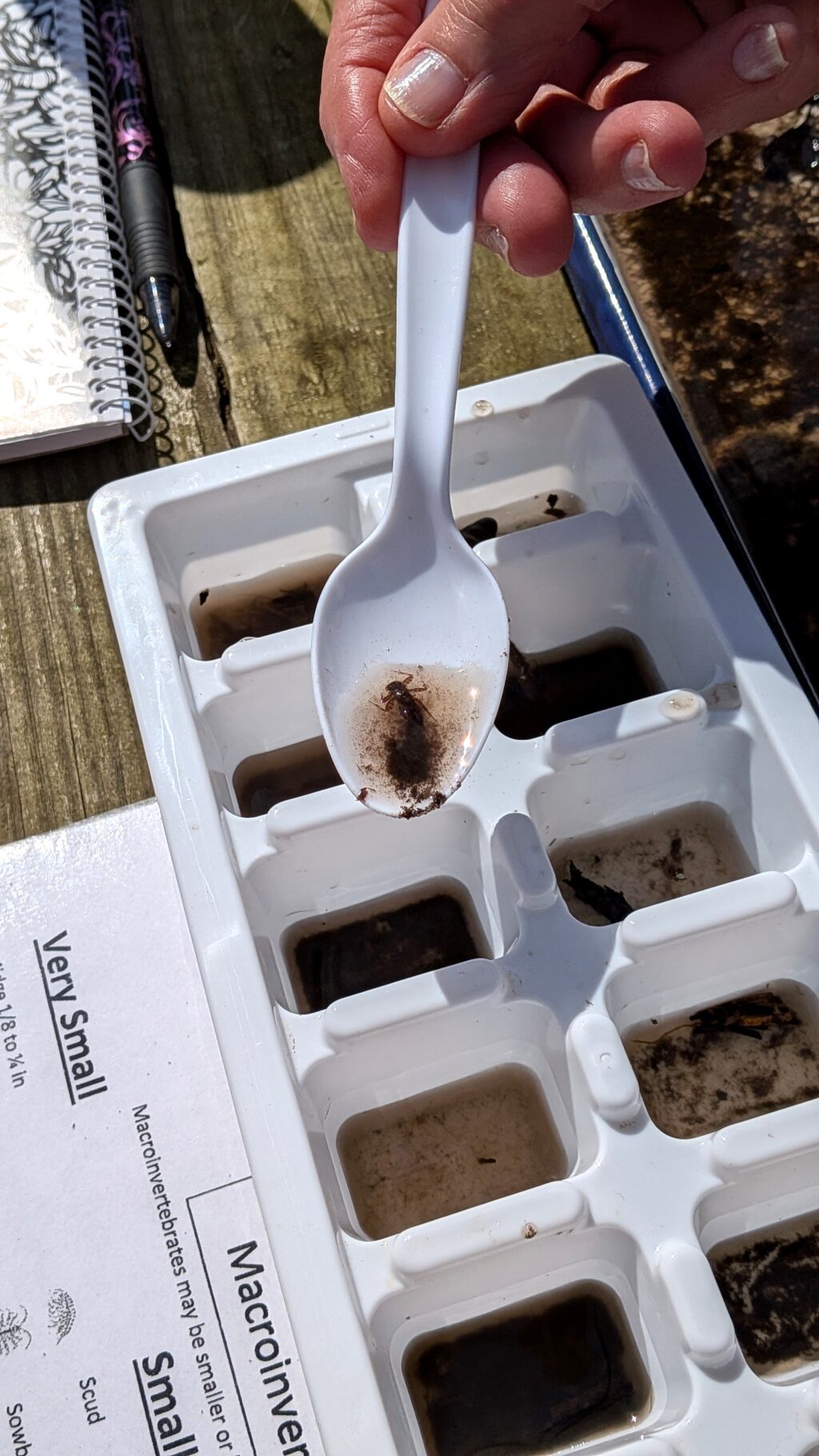
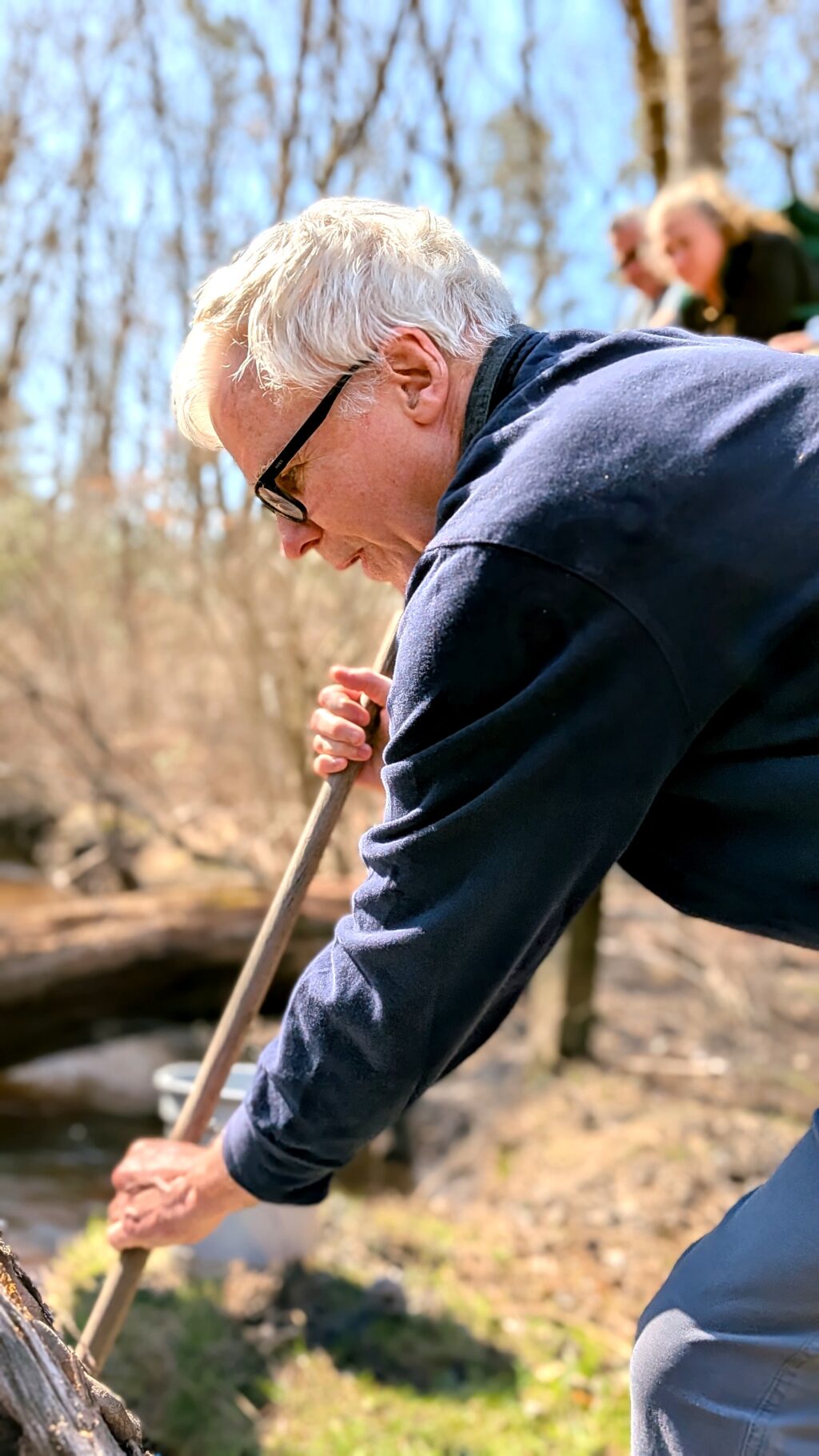
The course began in March when the group first gathered at the Forest Resource Education Center, at the headwaters of the Toms River, to learn about forestry and the benthic macroinvertebrates that indicate water quality health in our freshwater systems. Jane Mattson of the NJDEP led the class through the NJ Forestry Center and seed bank, while NJ AmeriCorps Watershed Ambassador Amy Johnson accompanied the naturalists into the stream to collect and identify the aquatic insects that the state uses to determine priority areas for restoration and management.
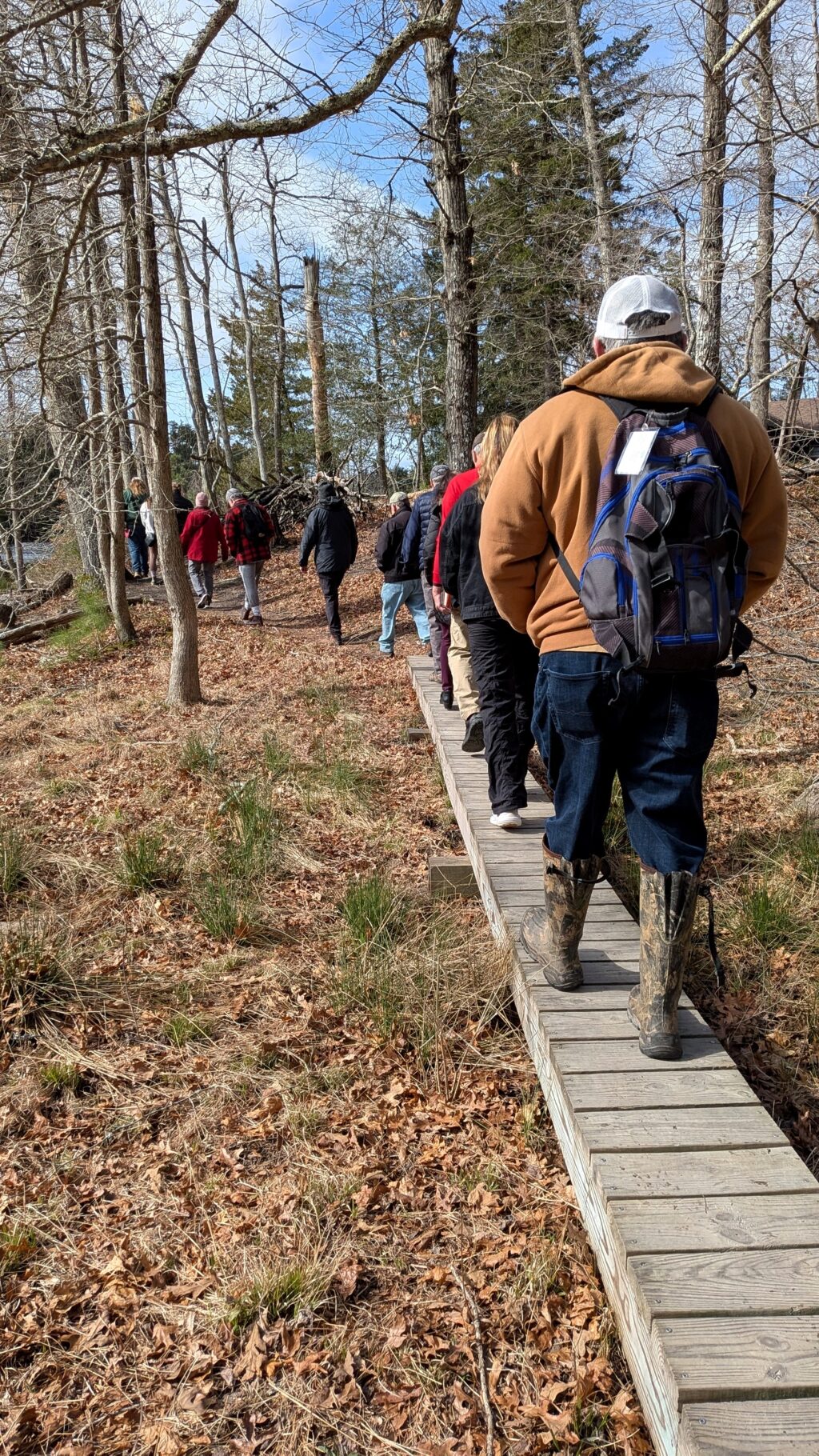
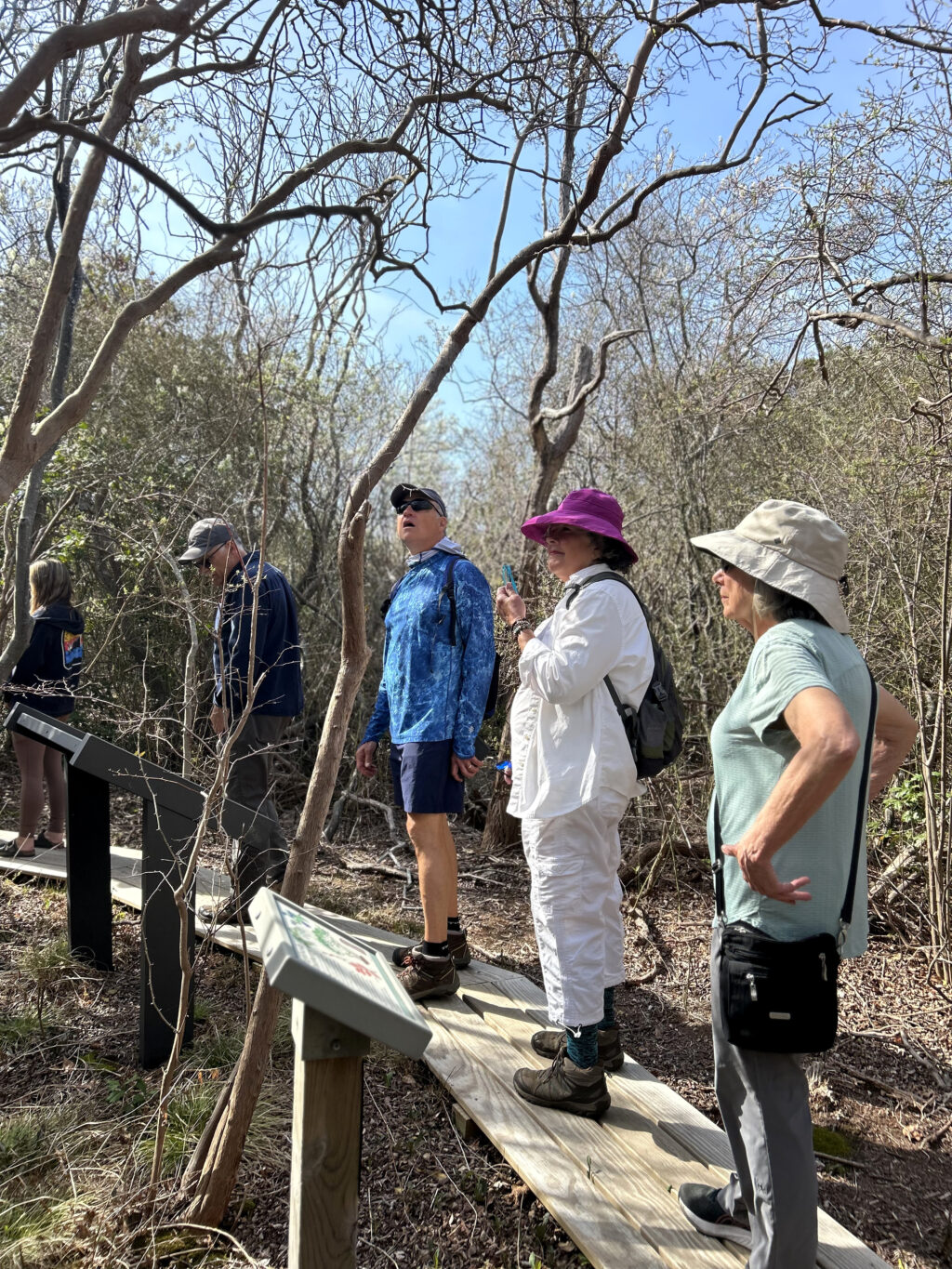
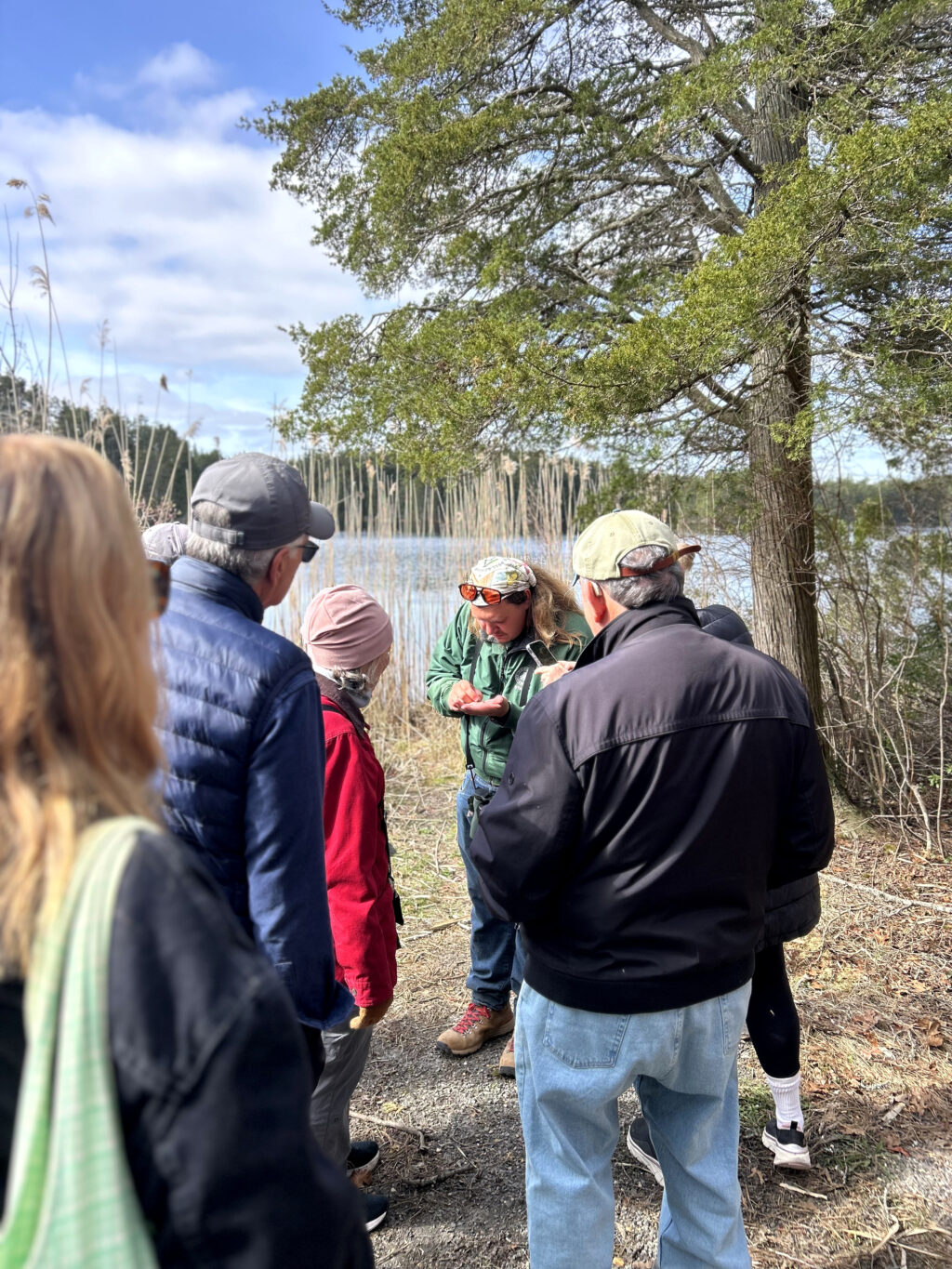
Joshua Gant of Wells Mills County Park provided the students with an in-depth introduction to the birds of the watershed, leading them on an immersive guided hike to identify wildlife and learn more about native species to the region.

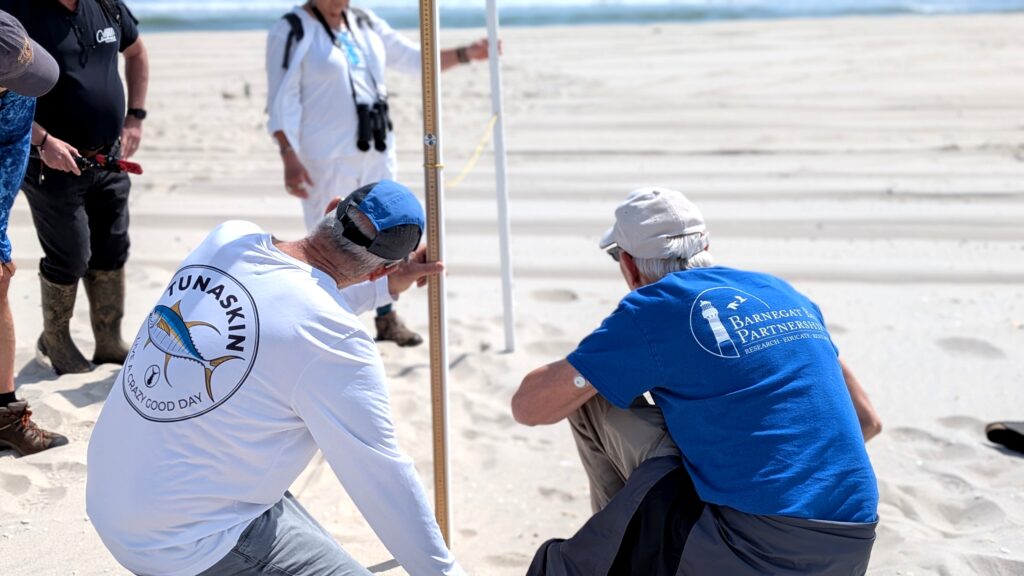
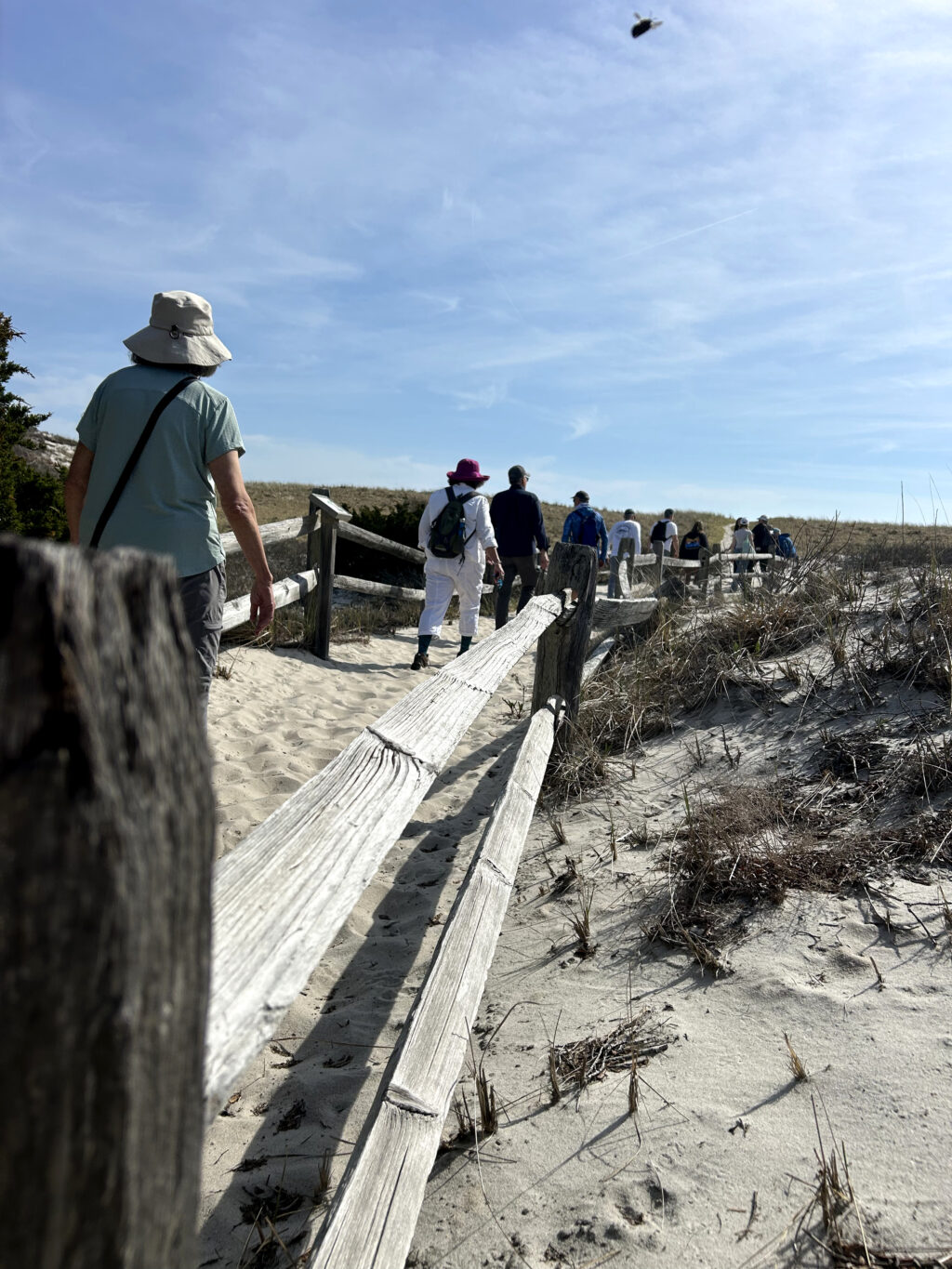
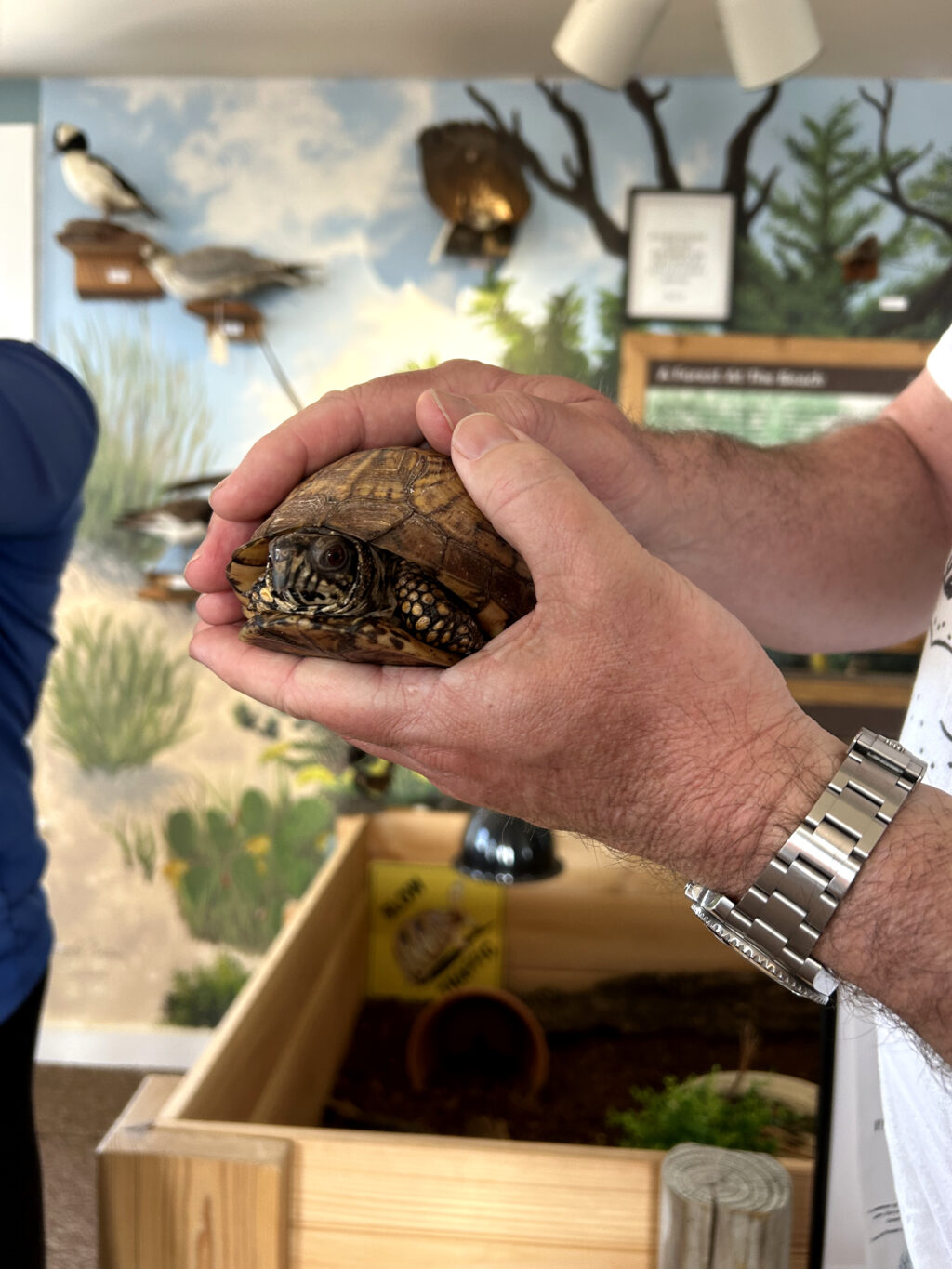
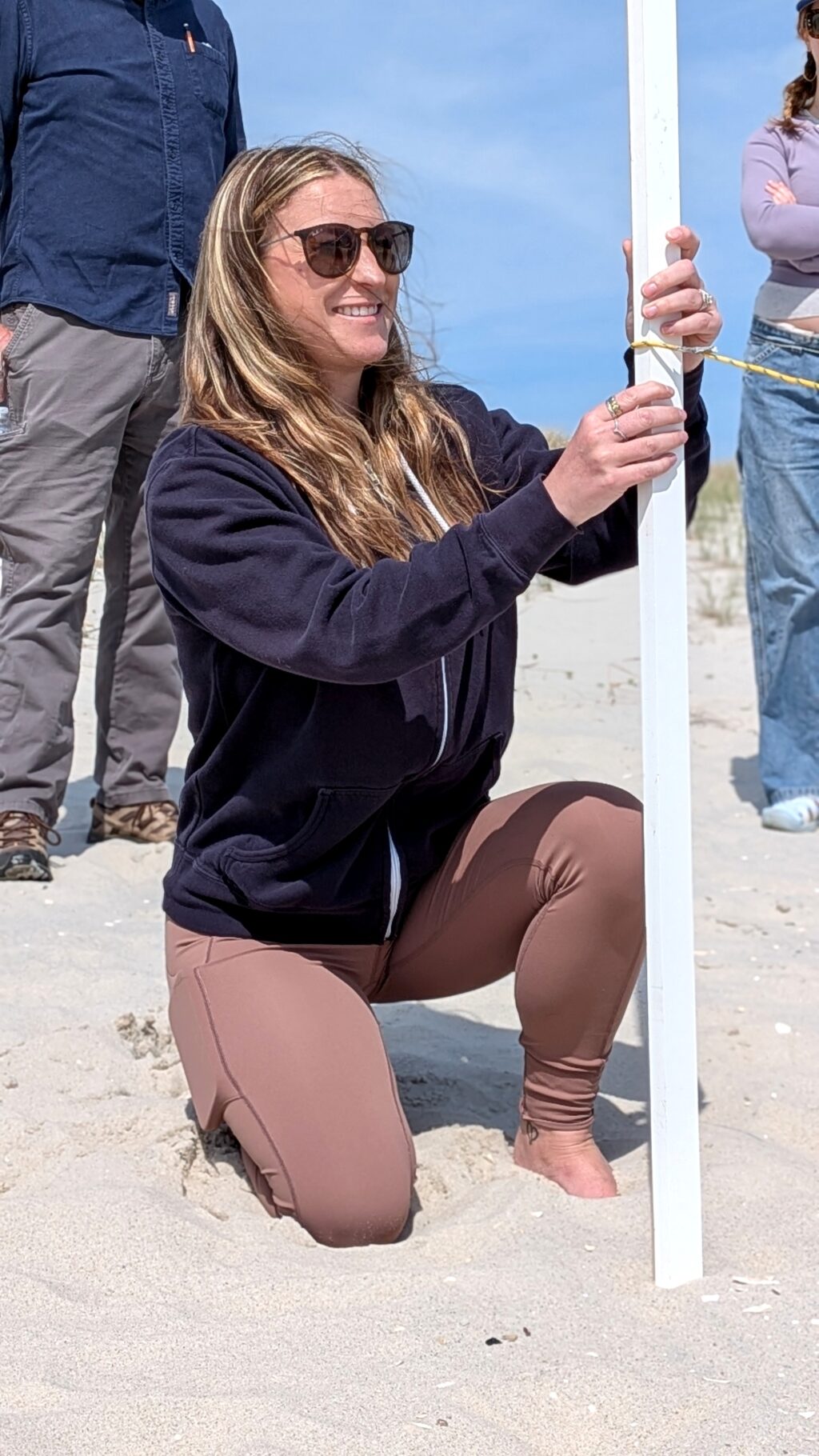
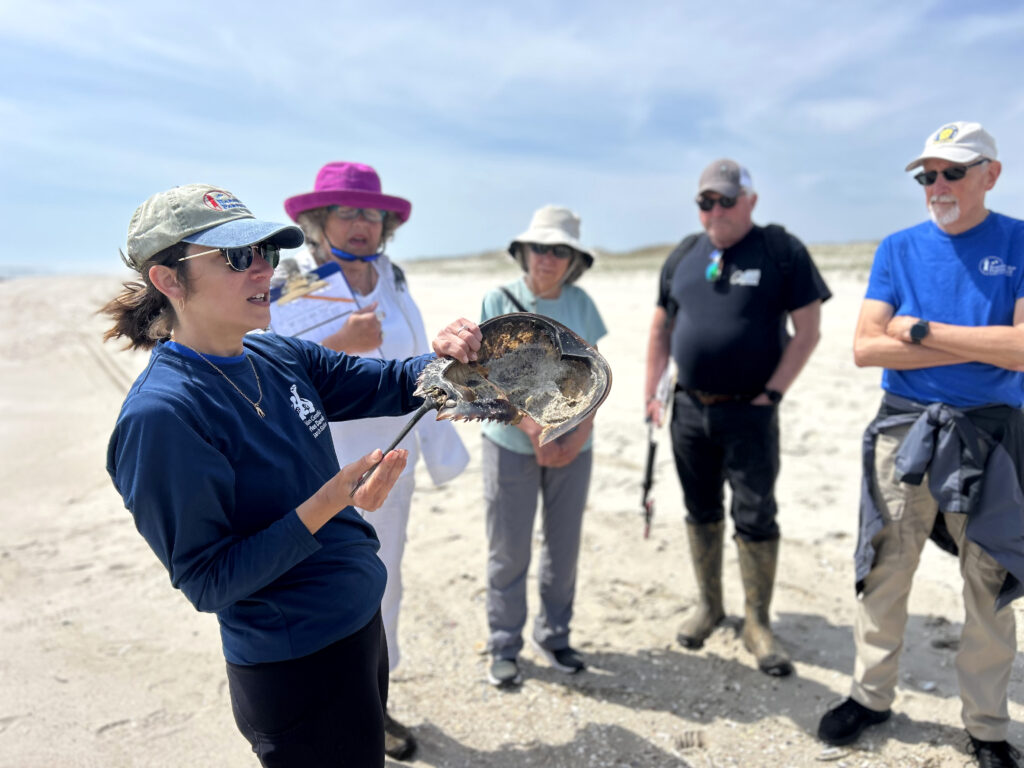
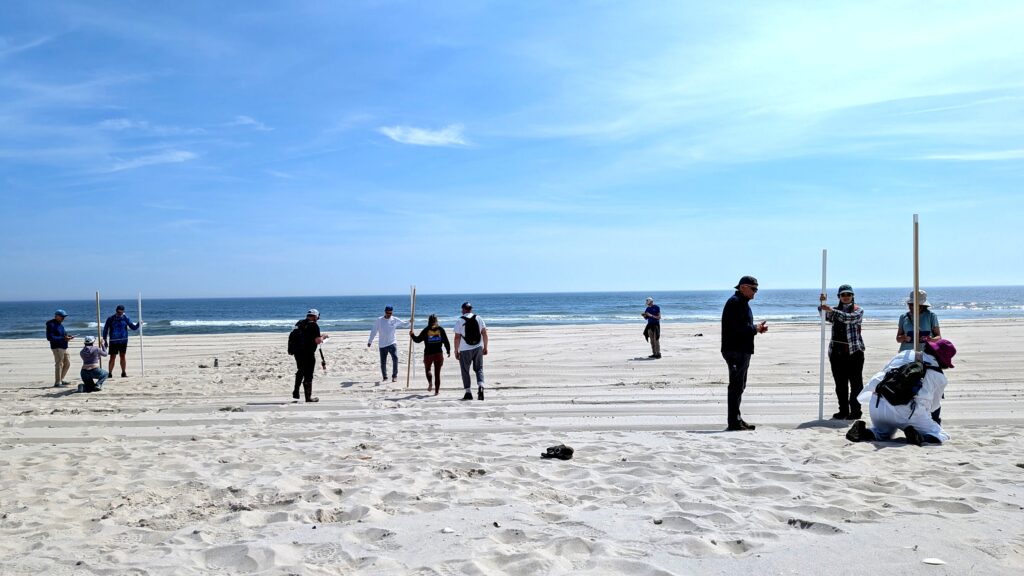
By mid-April, the naturalists traveled to Island Beach State Park to learn about the nature center and the work being done to preserve the natural land of the park. Murray Rosenberg, former BBP Citizen Representative then led the class onto the beach to learn about dune ecology, coastal geology, and the hands-on techniques used by scientists to monitor shoreline migration, erosion, and accretion in NJ.

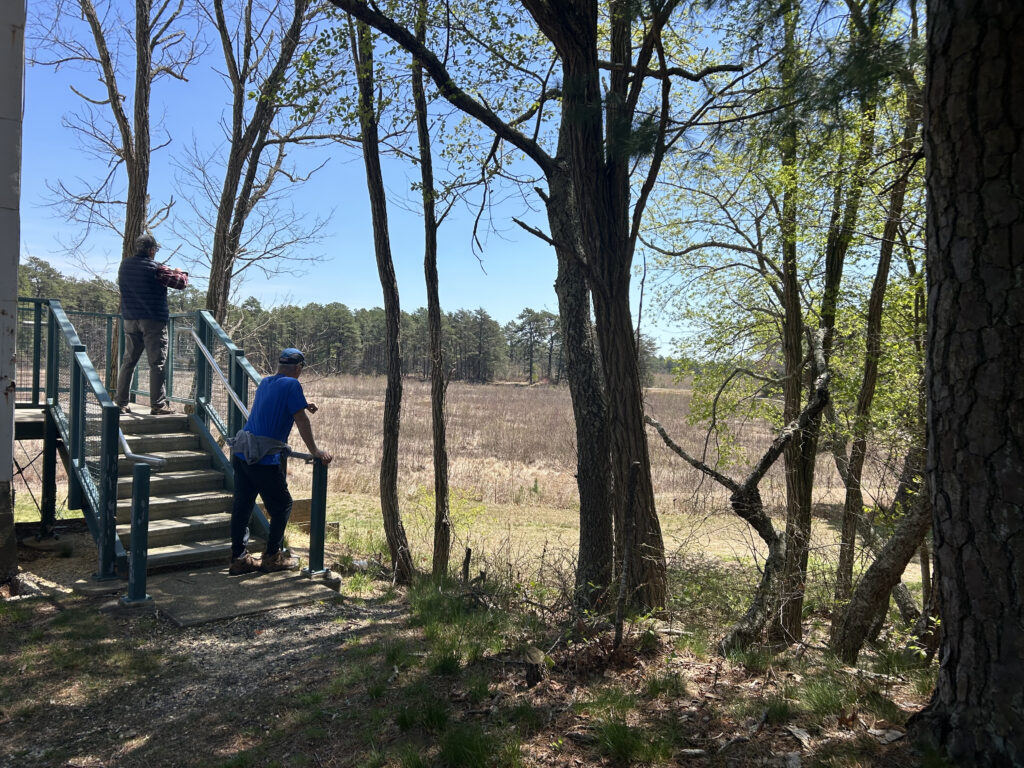
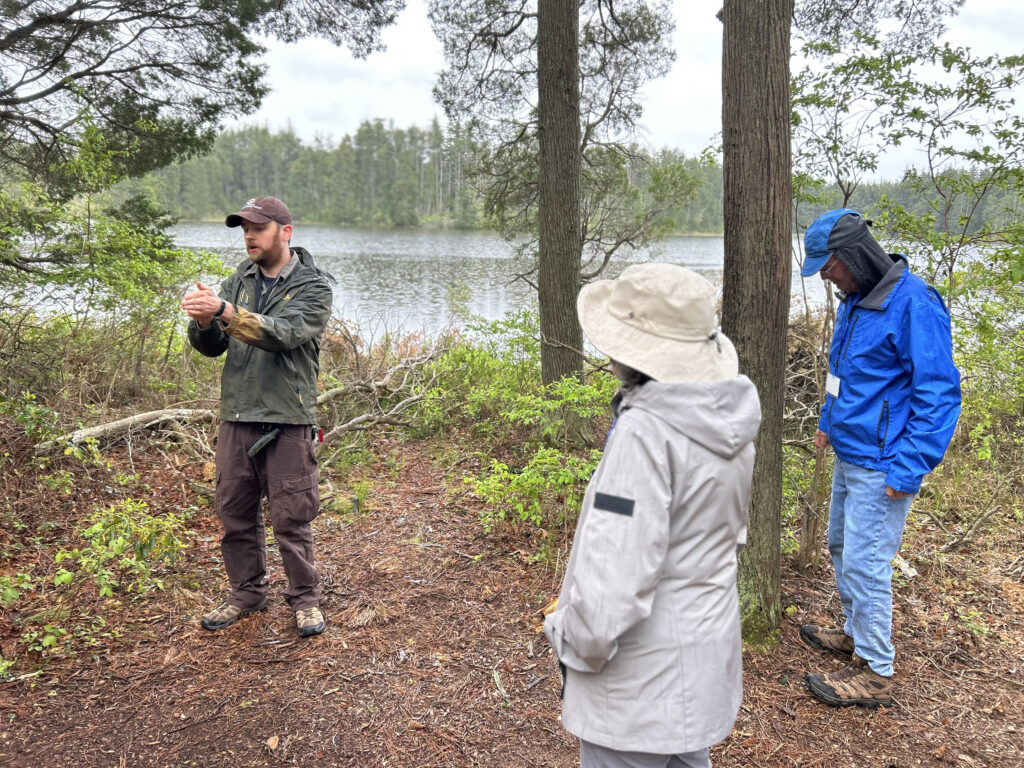
The following week the naturalists headed back to the most pristine headwaters in the watershed, visiting the Cedar Creek in Double Trouble State Park. Led by Andrew Anderson, students received a comprehensive background on the history of the cranberry industry in Ocean County and how that shaped the environment we know today.

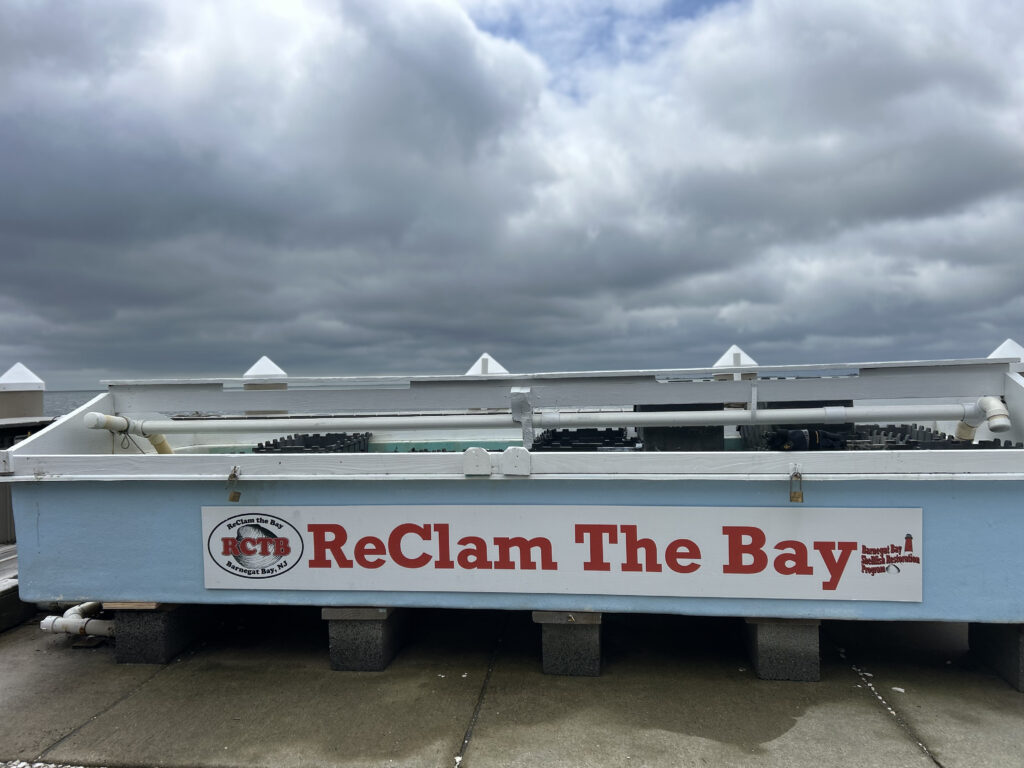
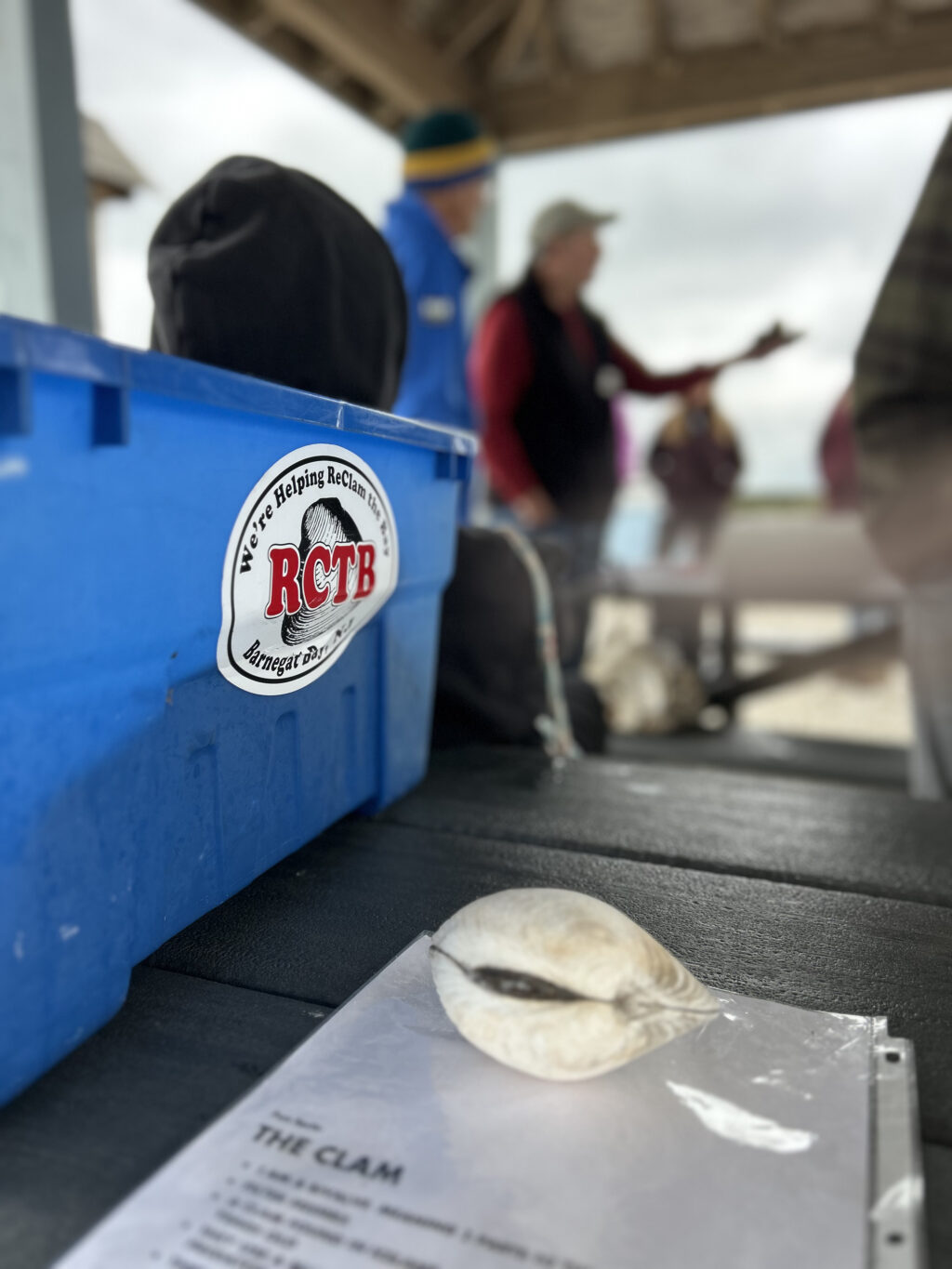
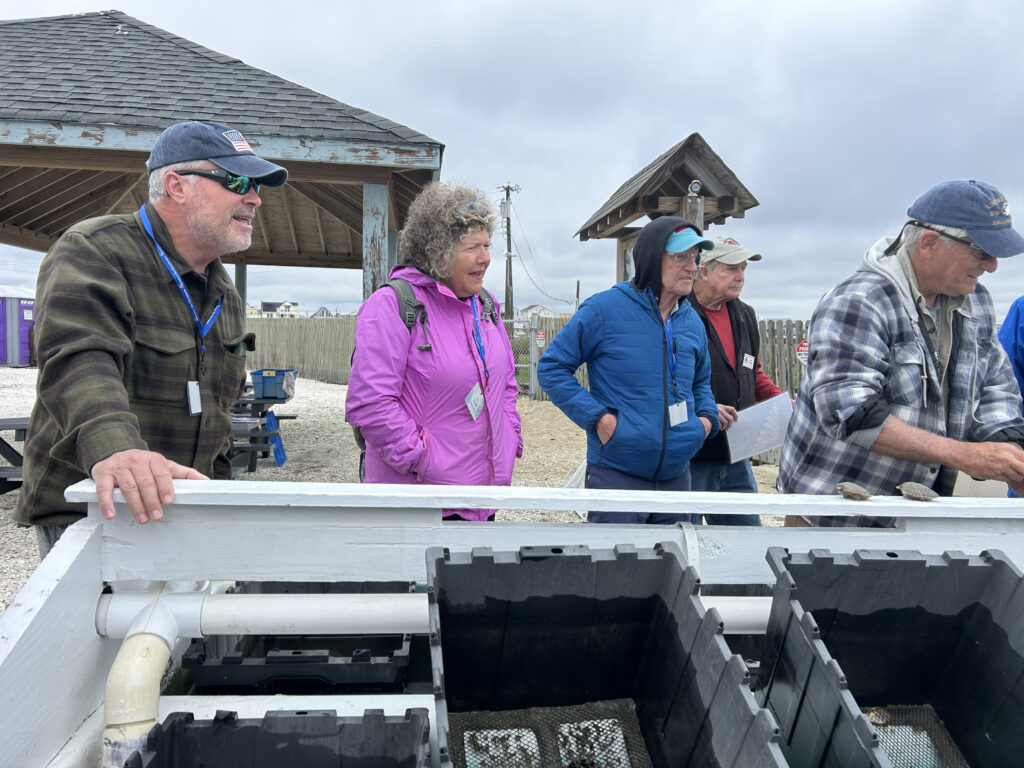
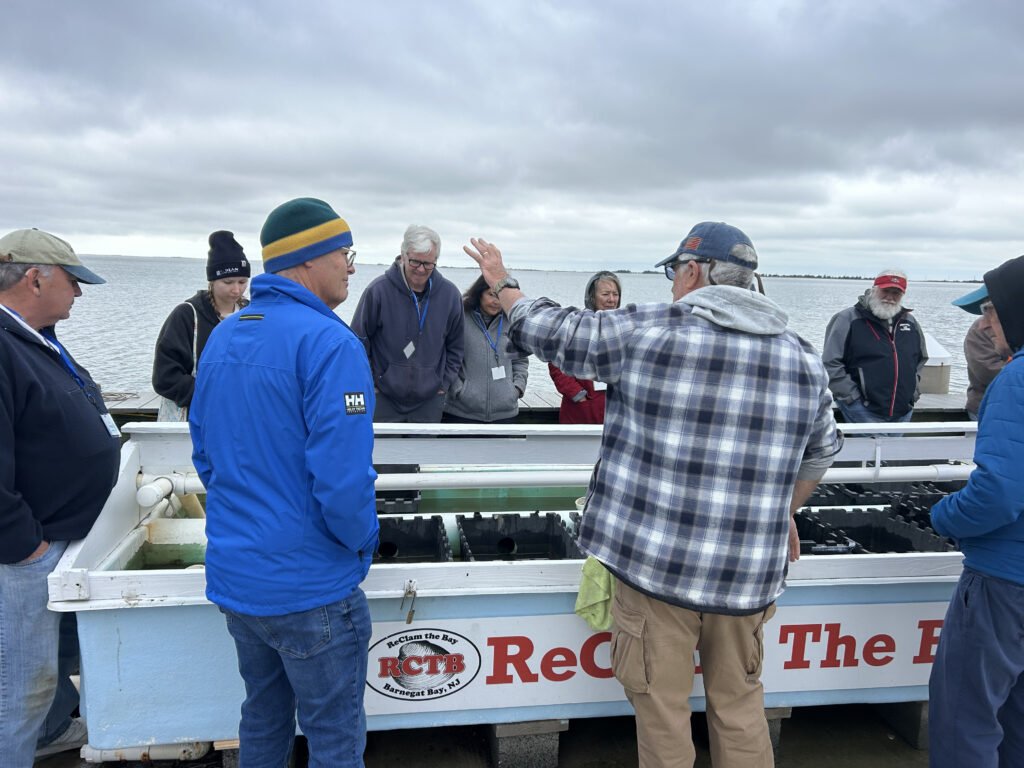
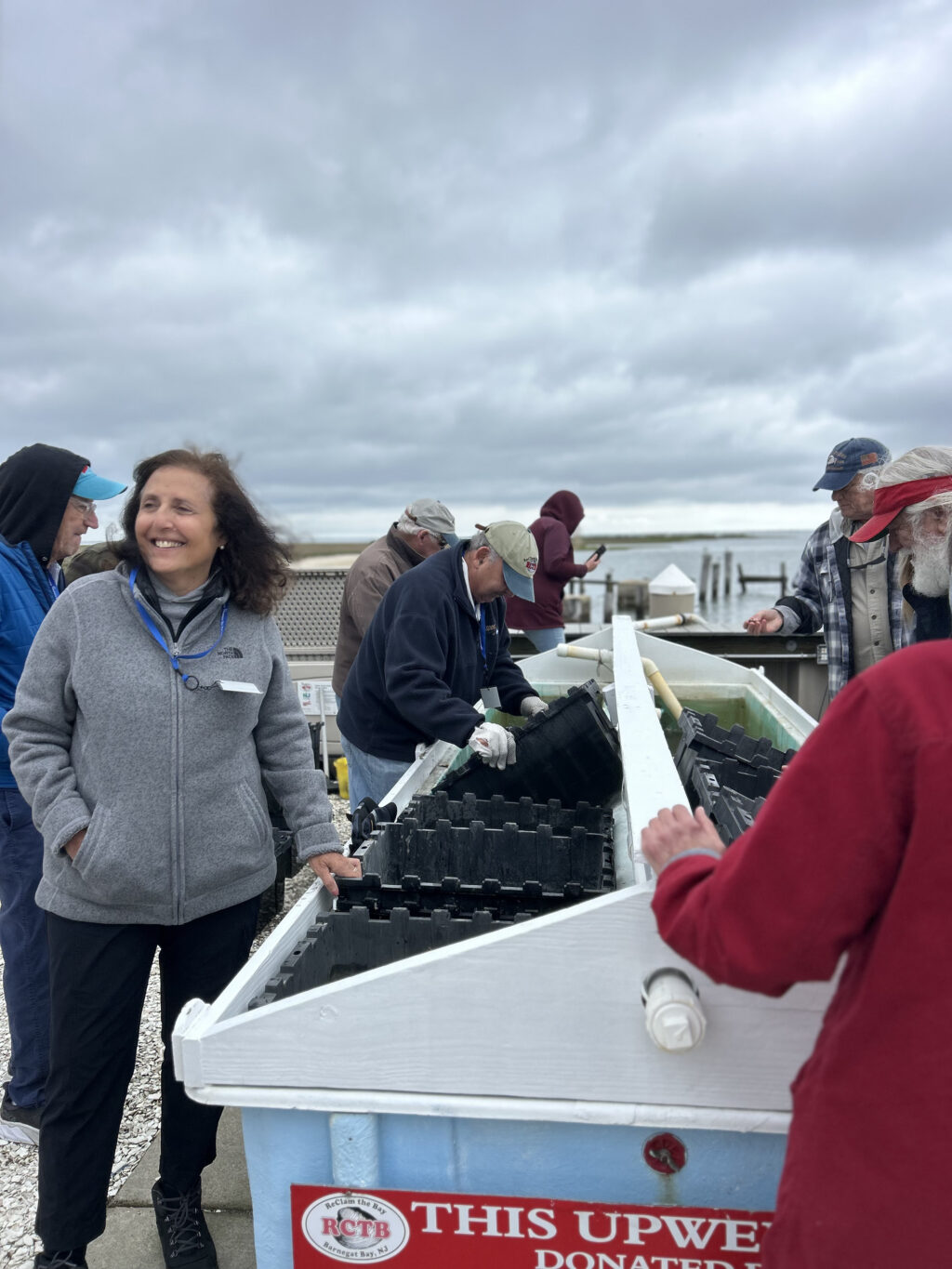
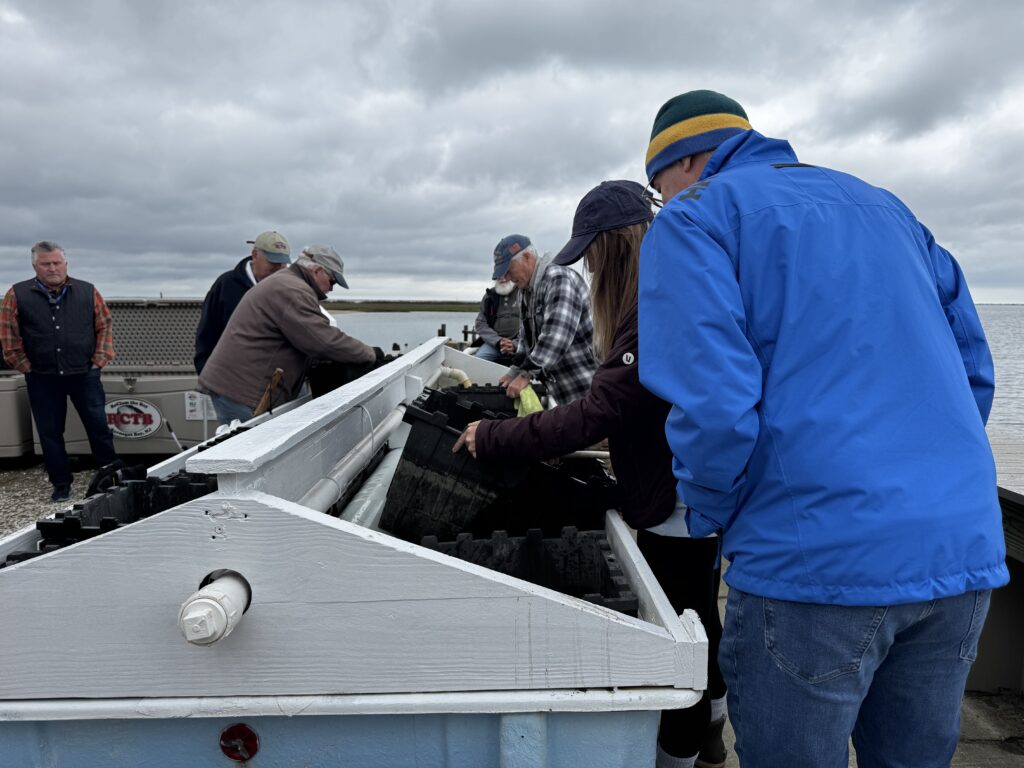
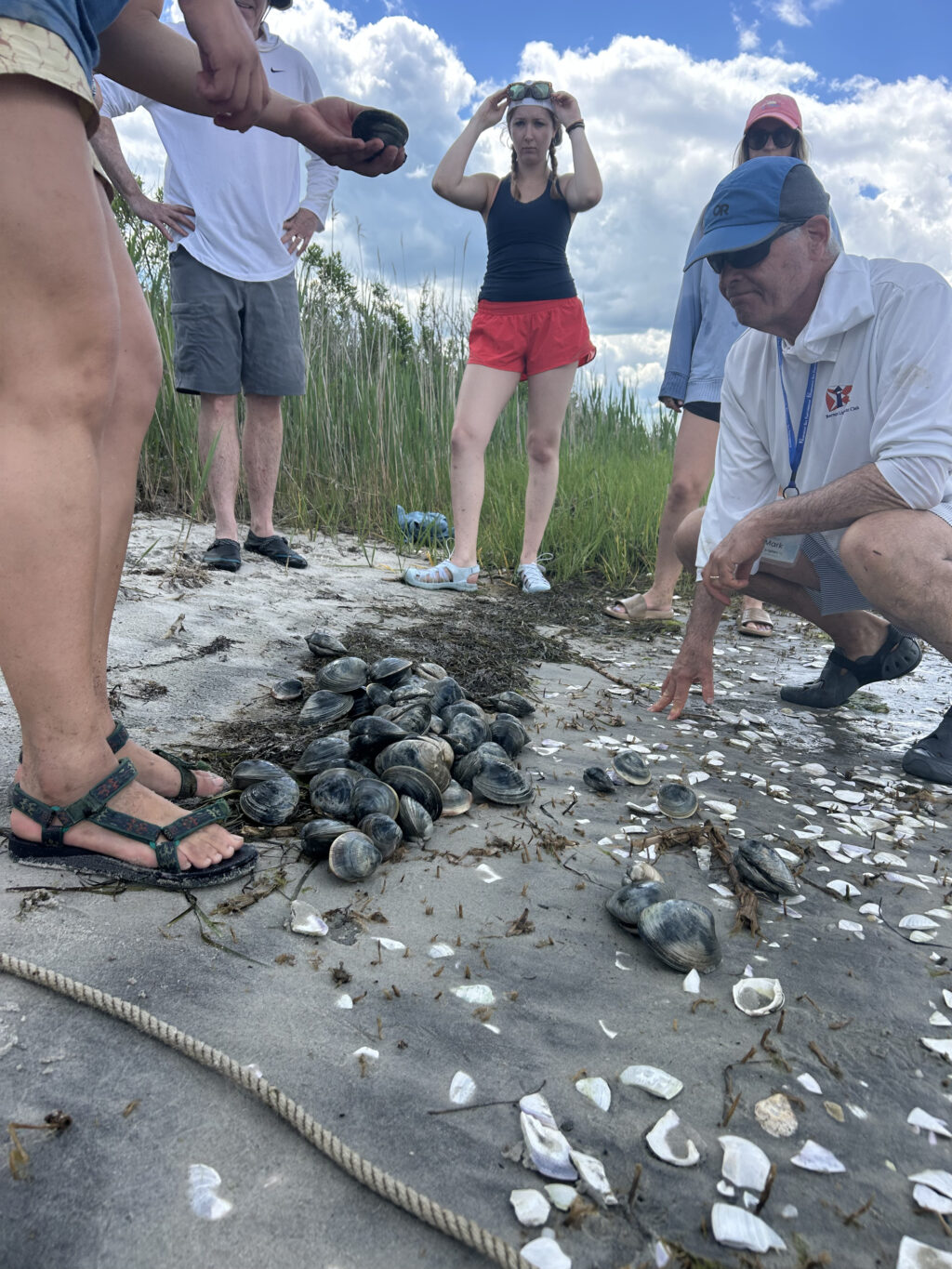
Bouncing back to the coast, the naturalists then heard from John Meiman and Dr. Jack Duggan from ReClam the Bay about the decades-long work they’ve been doing to restore clam populations throughout the bay. The naturalists got to hold baby clams, and learn the way that ReClam the Bay cultivates and nurtures millions of baby clams and oysters, enriching the ecosystem of Barnegat Bay, Manahawkin Bay, and Little Egg Harbor Bay.

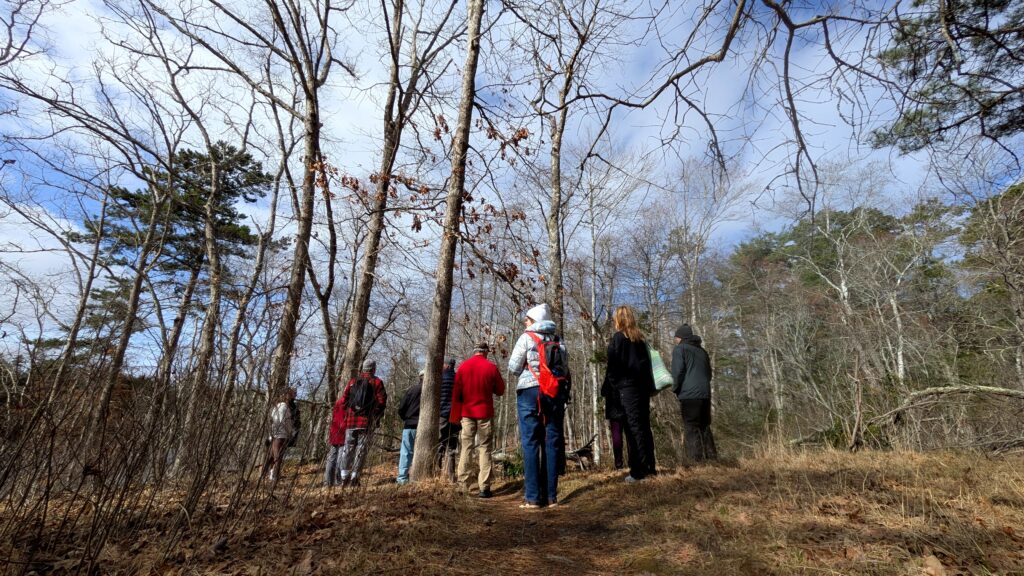
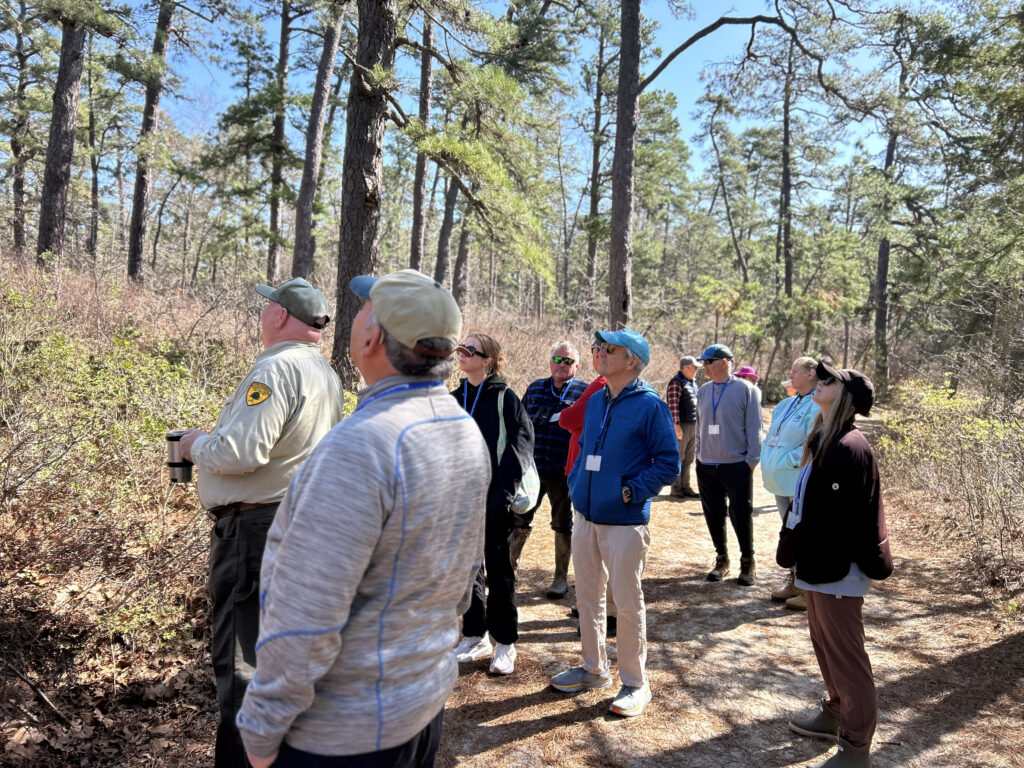
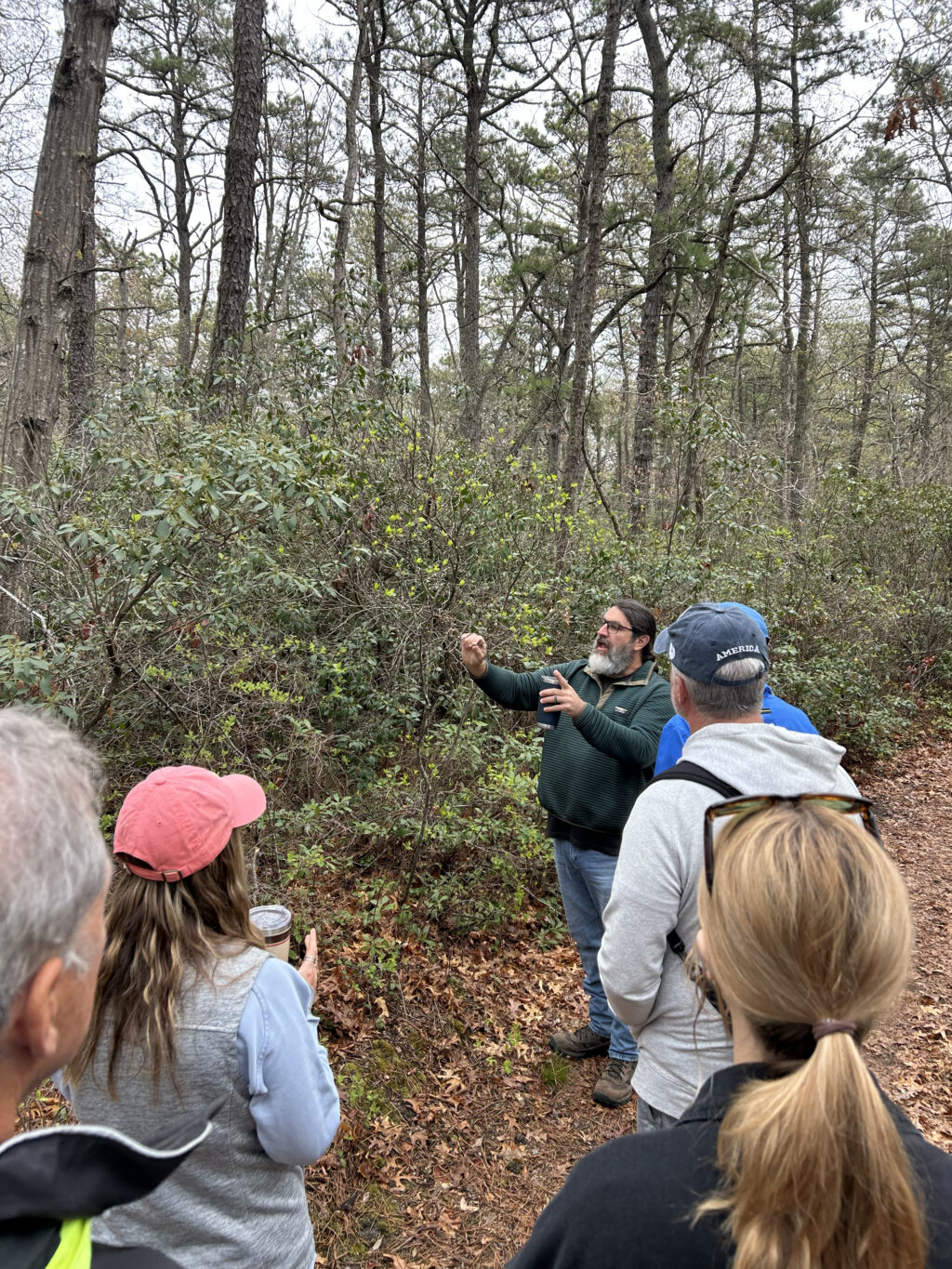
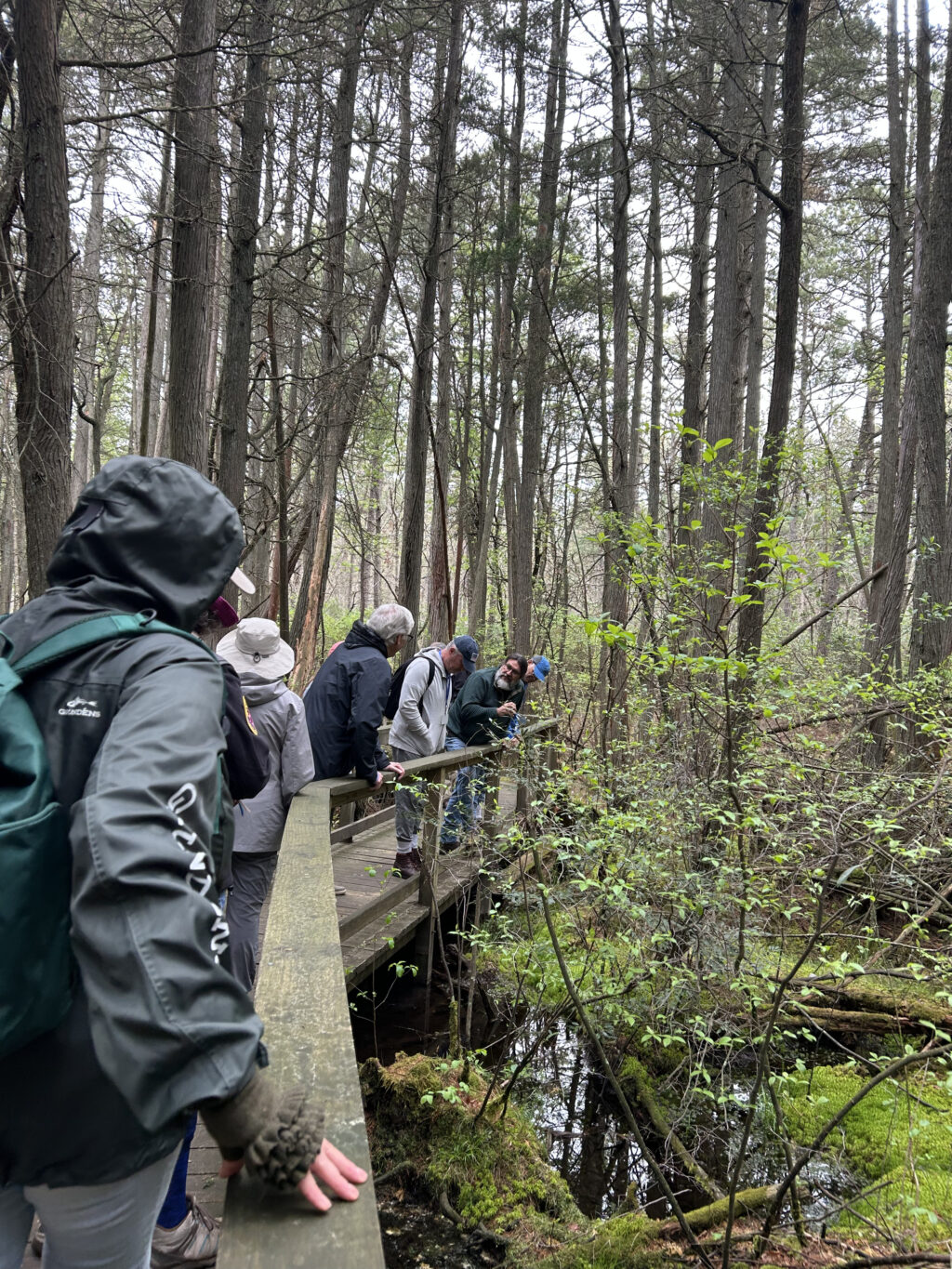
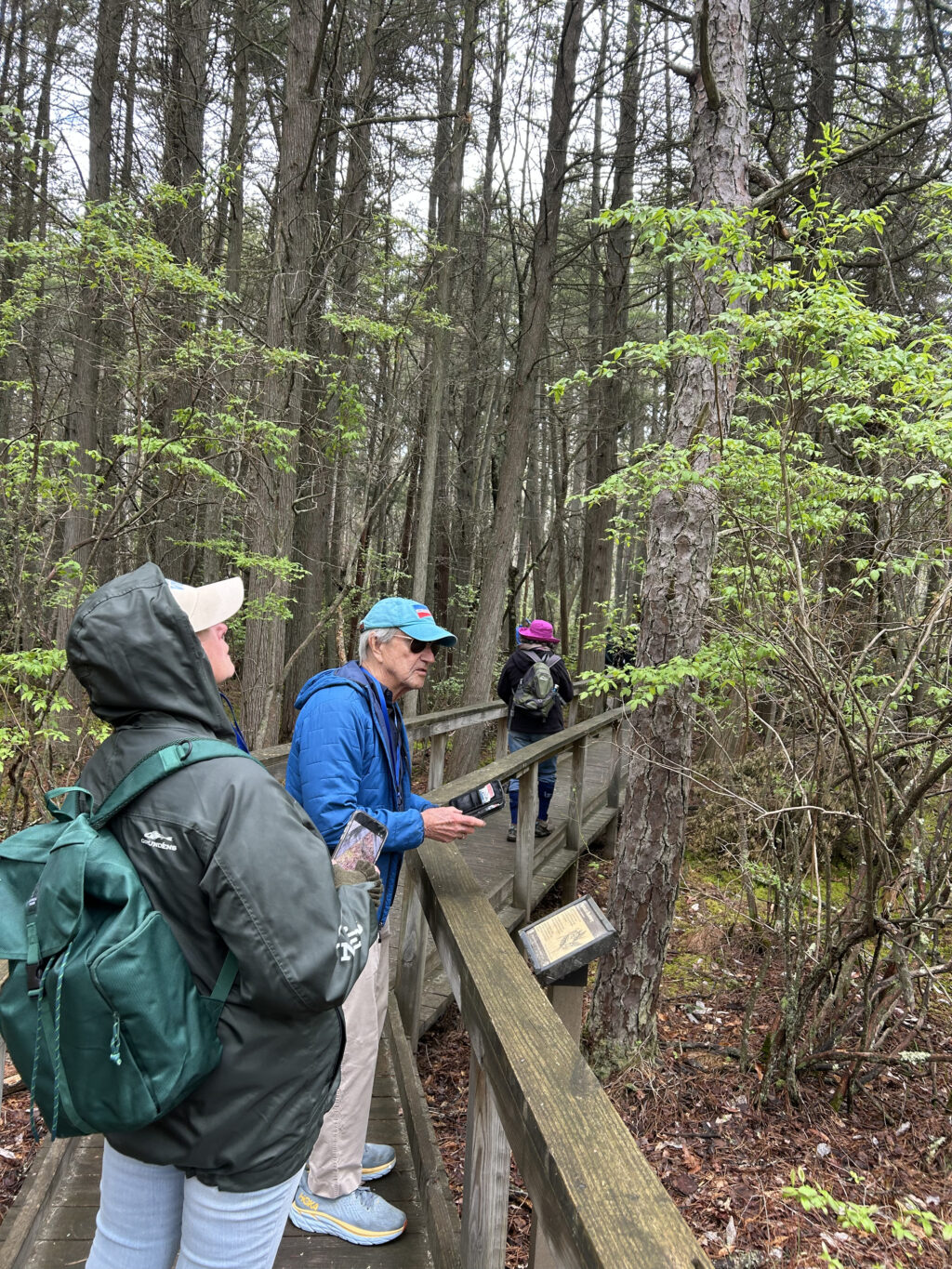
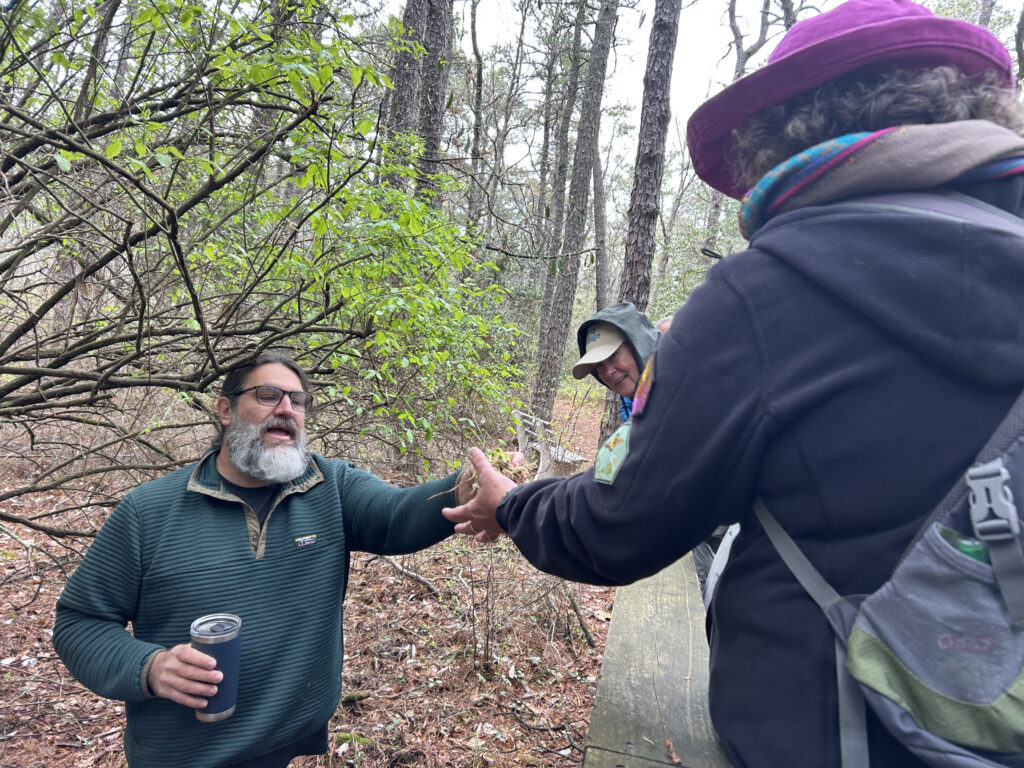
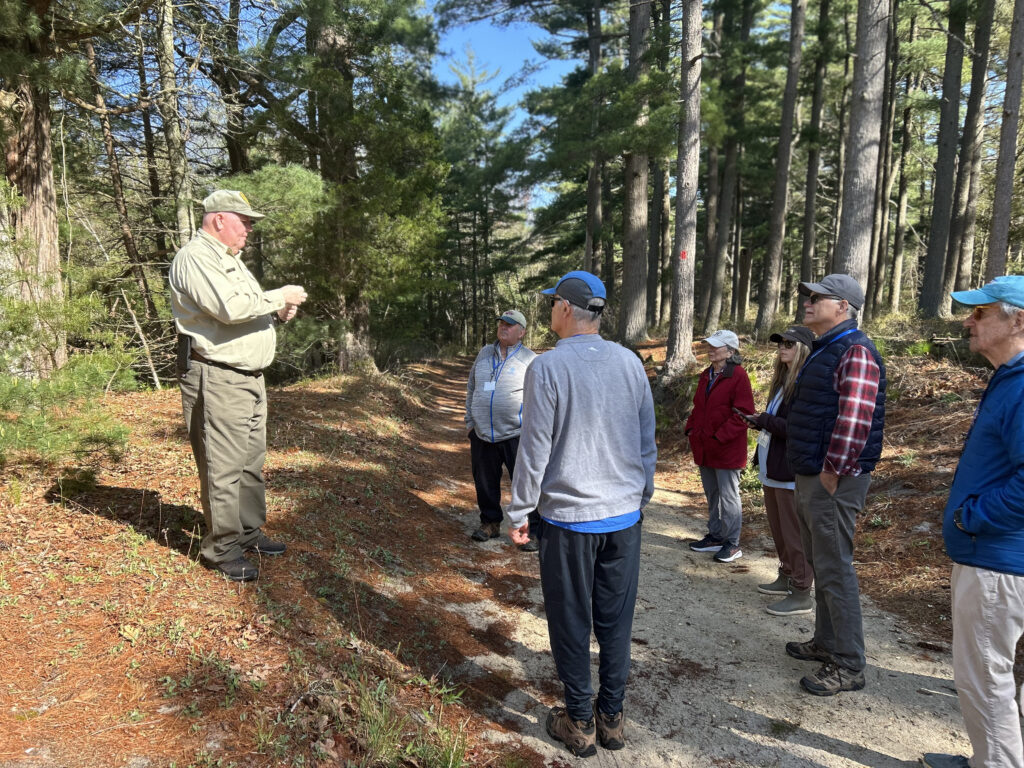
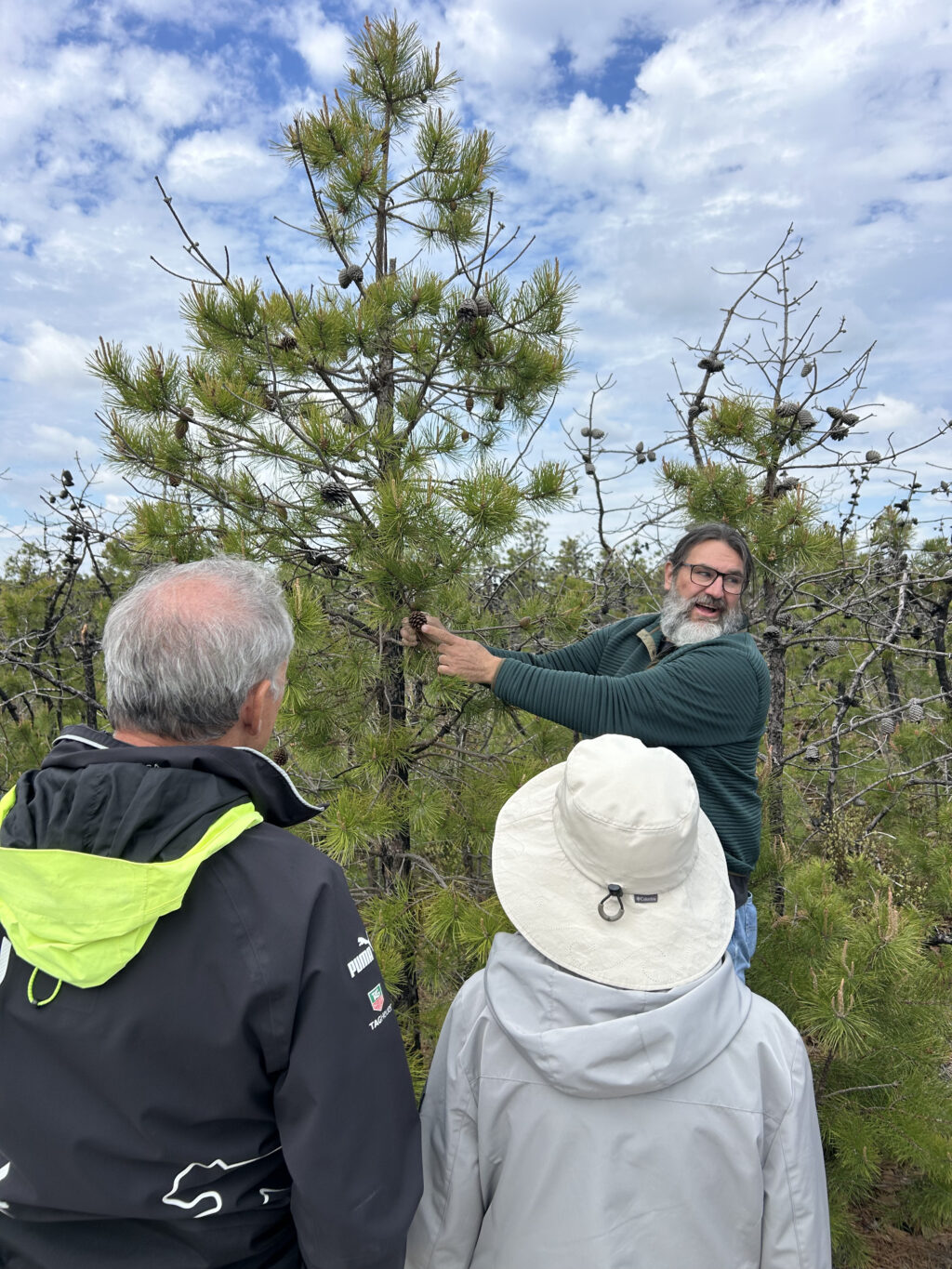
To add to the comprehensive list of expert-led activities that the naturalists got to experience, they then headed to the Warren Grove pygmy pine forest and Bass River State Forest with Joel Mott of the NJ Pinelands Commission. Mott explained the ecology of the sandy soils of the pinelands and taught the naturalists how to identify native plant and animal species found in this treasured part of the state.

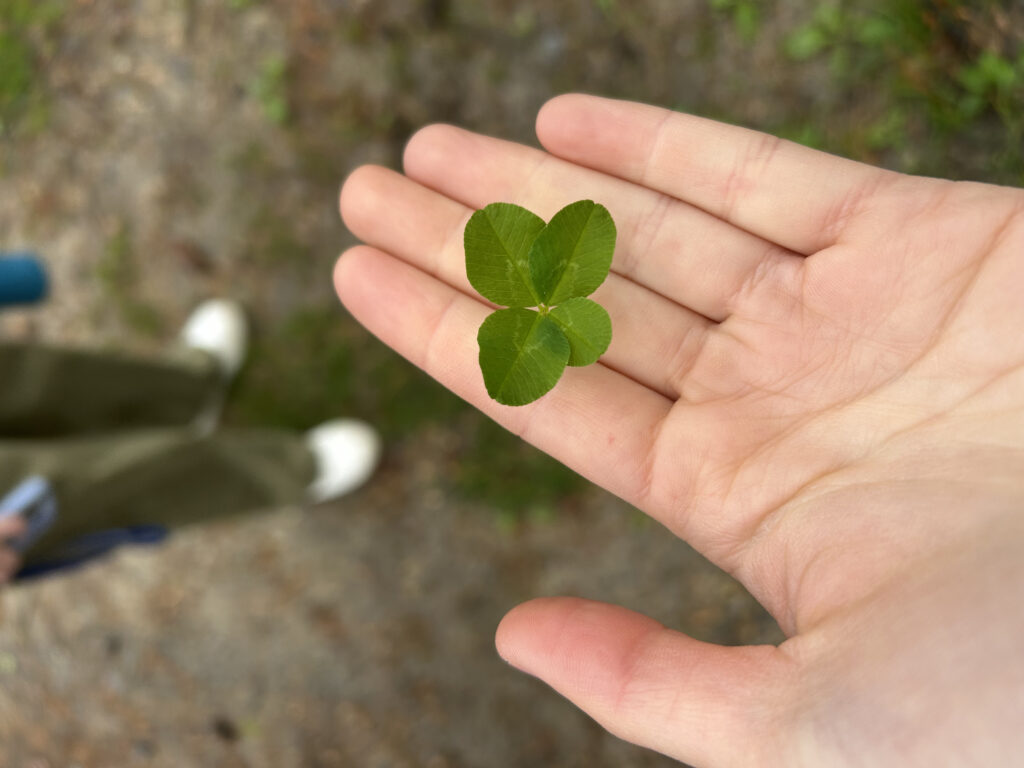
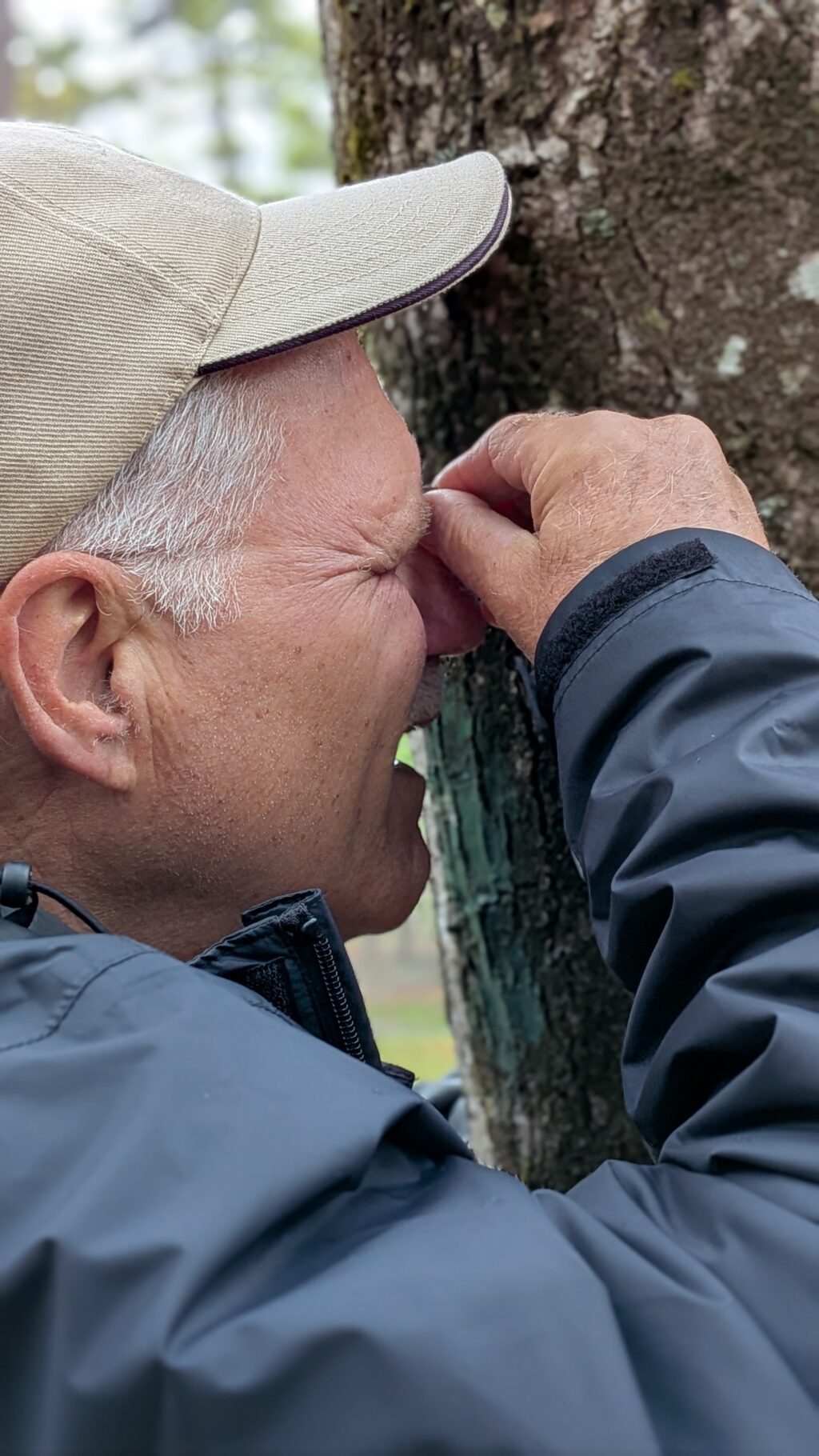
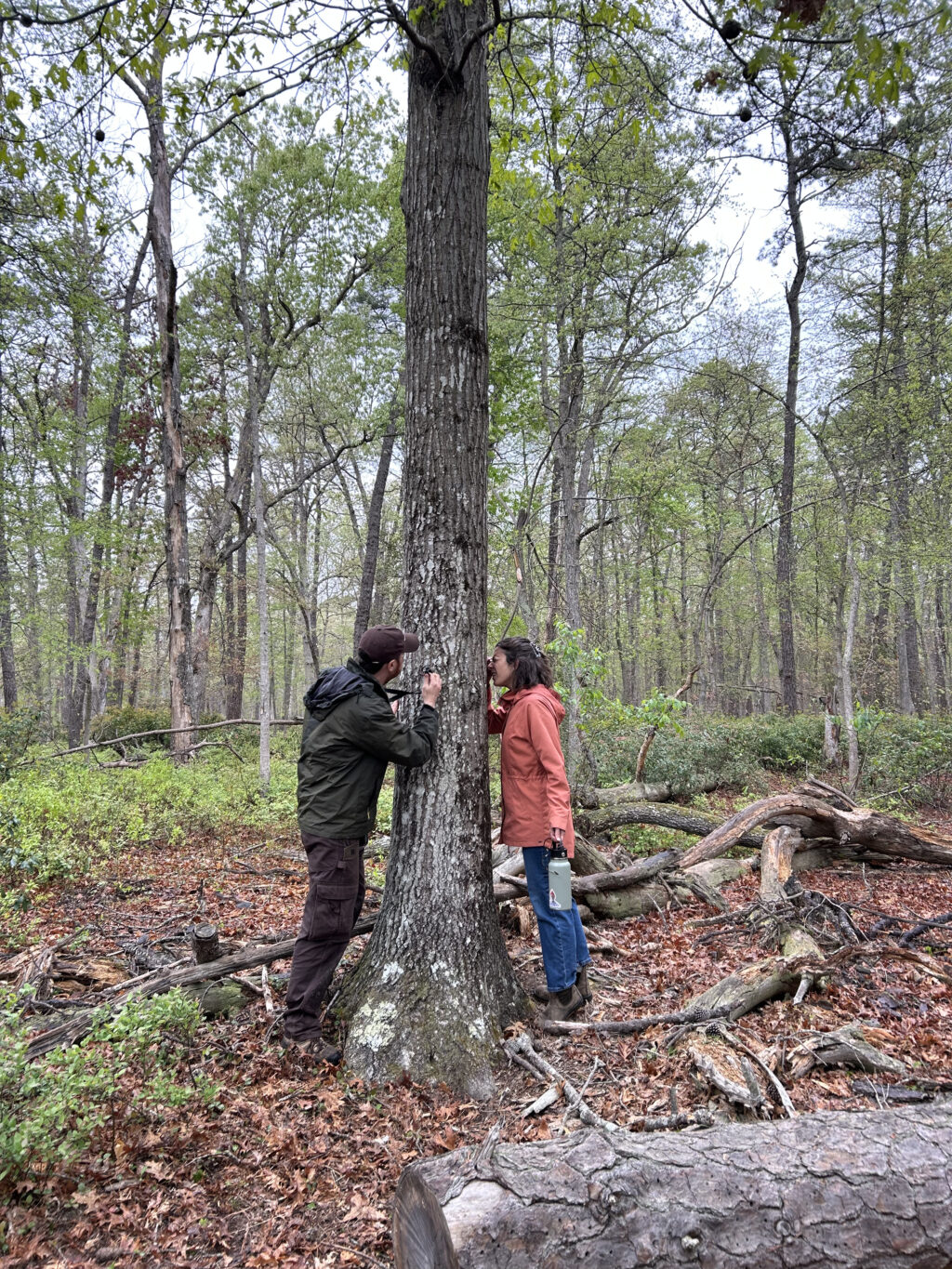
Their exploration of the Pines continued the following week with Jason Hafstad, of NJ Natural Lands Trust, who showed the naturalists how to pay attention to organisms in the forest they may otherwise overlook; from lichens to fungi and grasses, they learned to make micro-level observations while on a hike at Wells Mills county park.

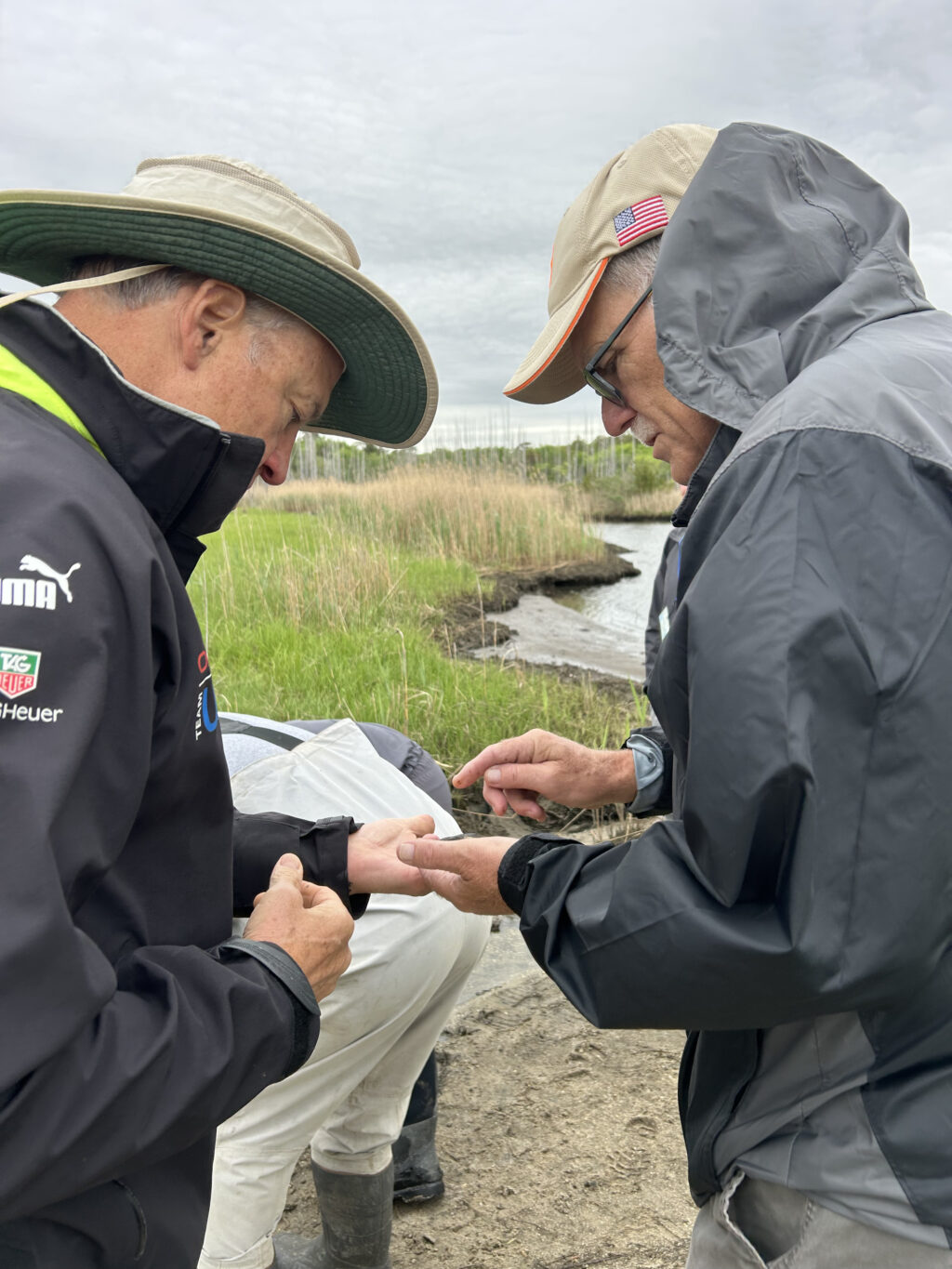
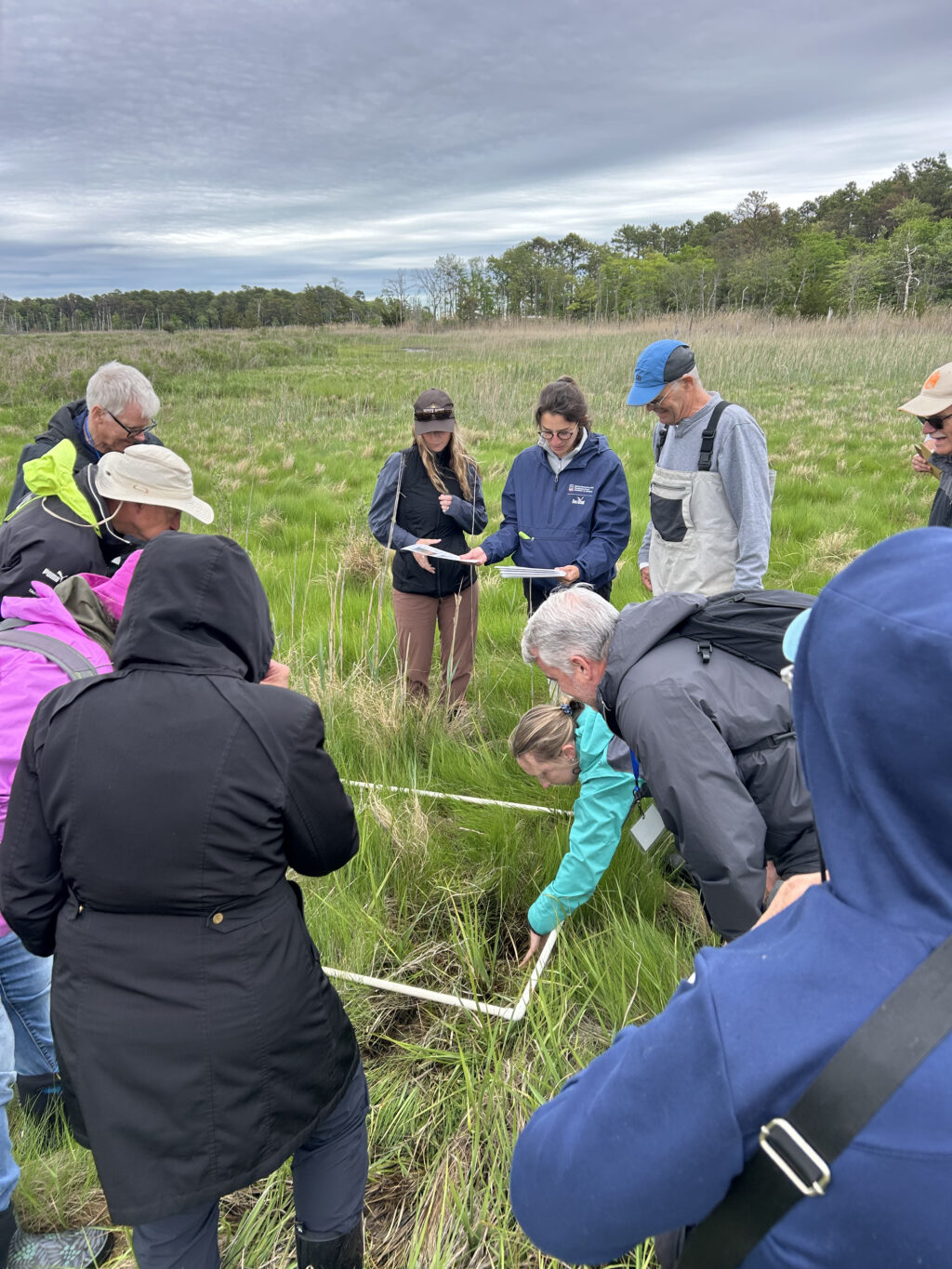
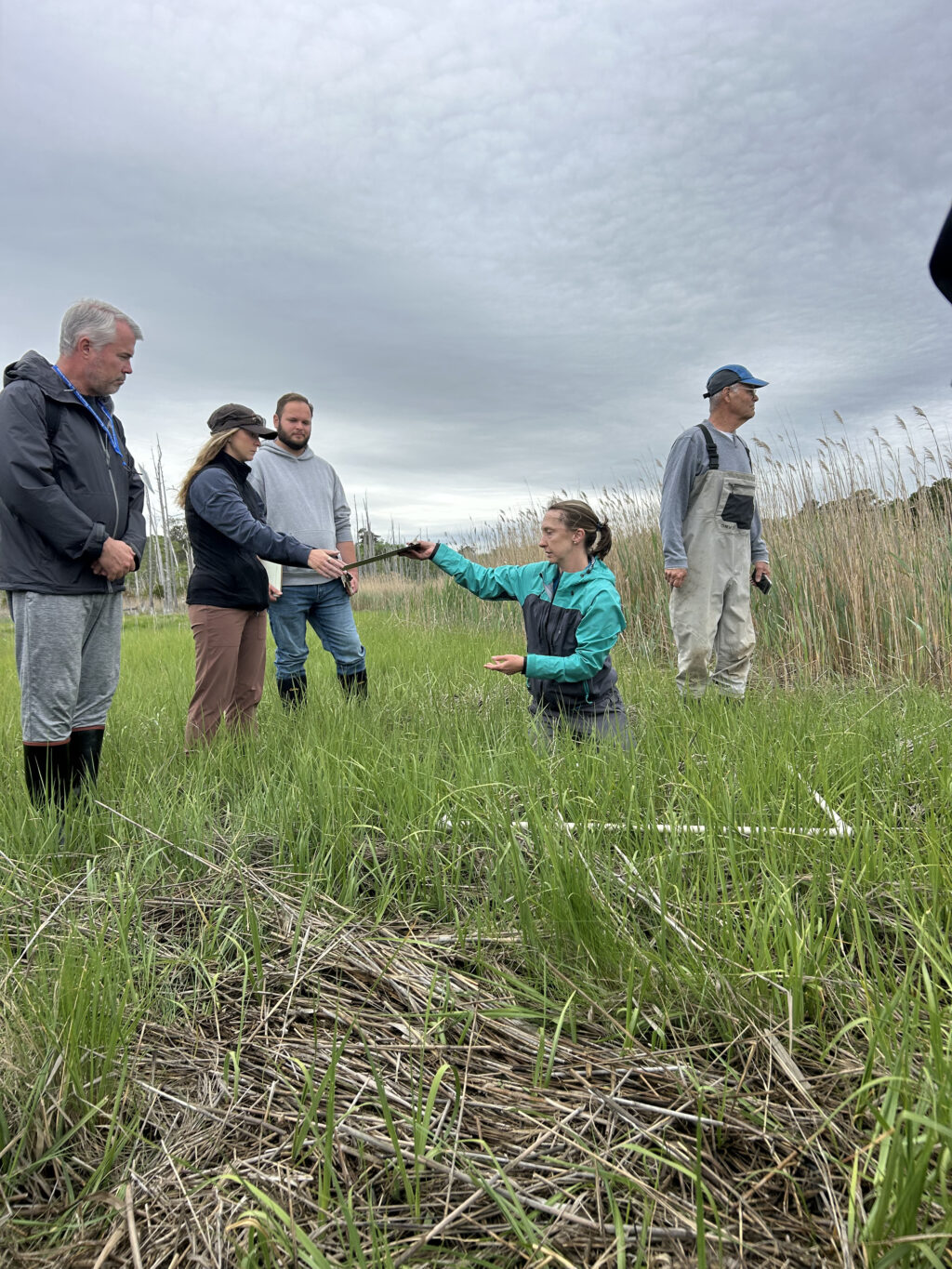
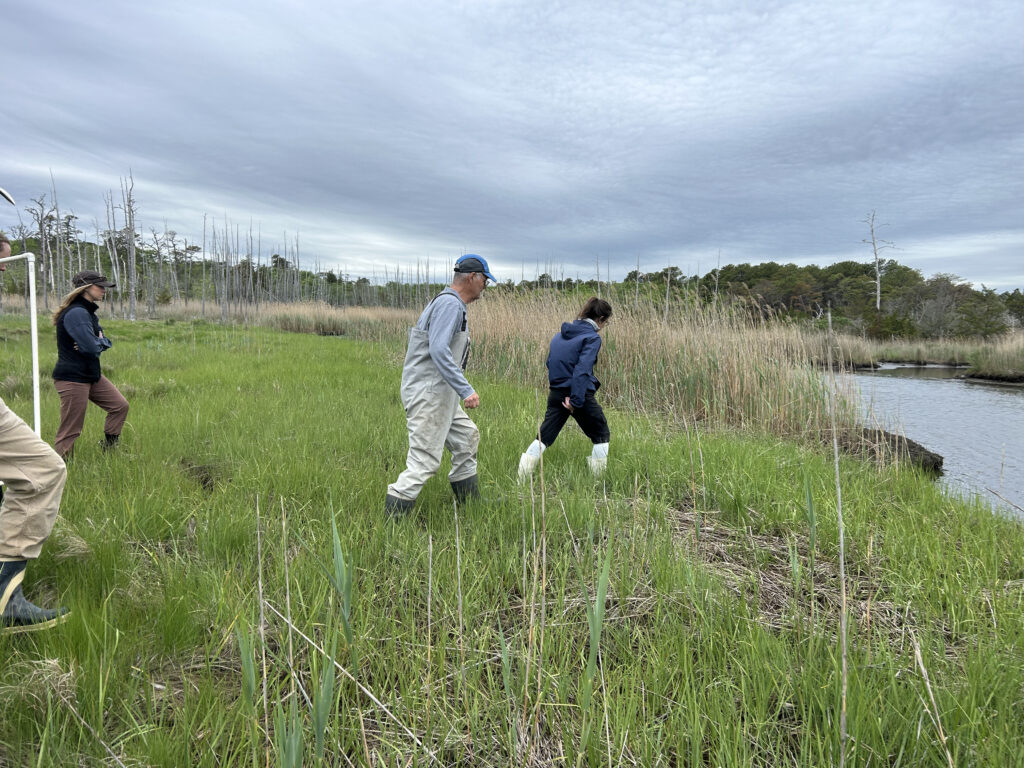
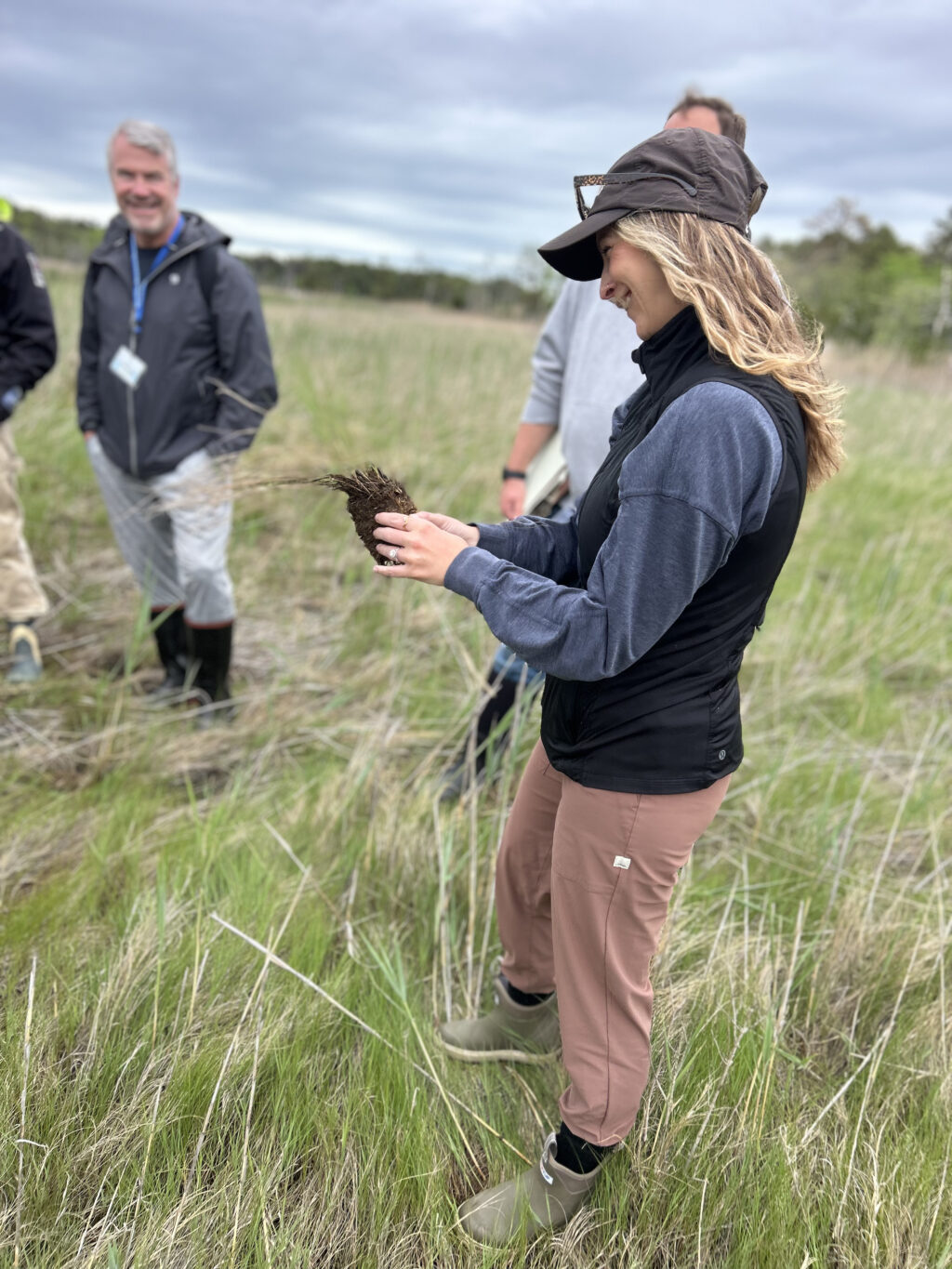
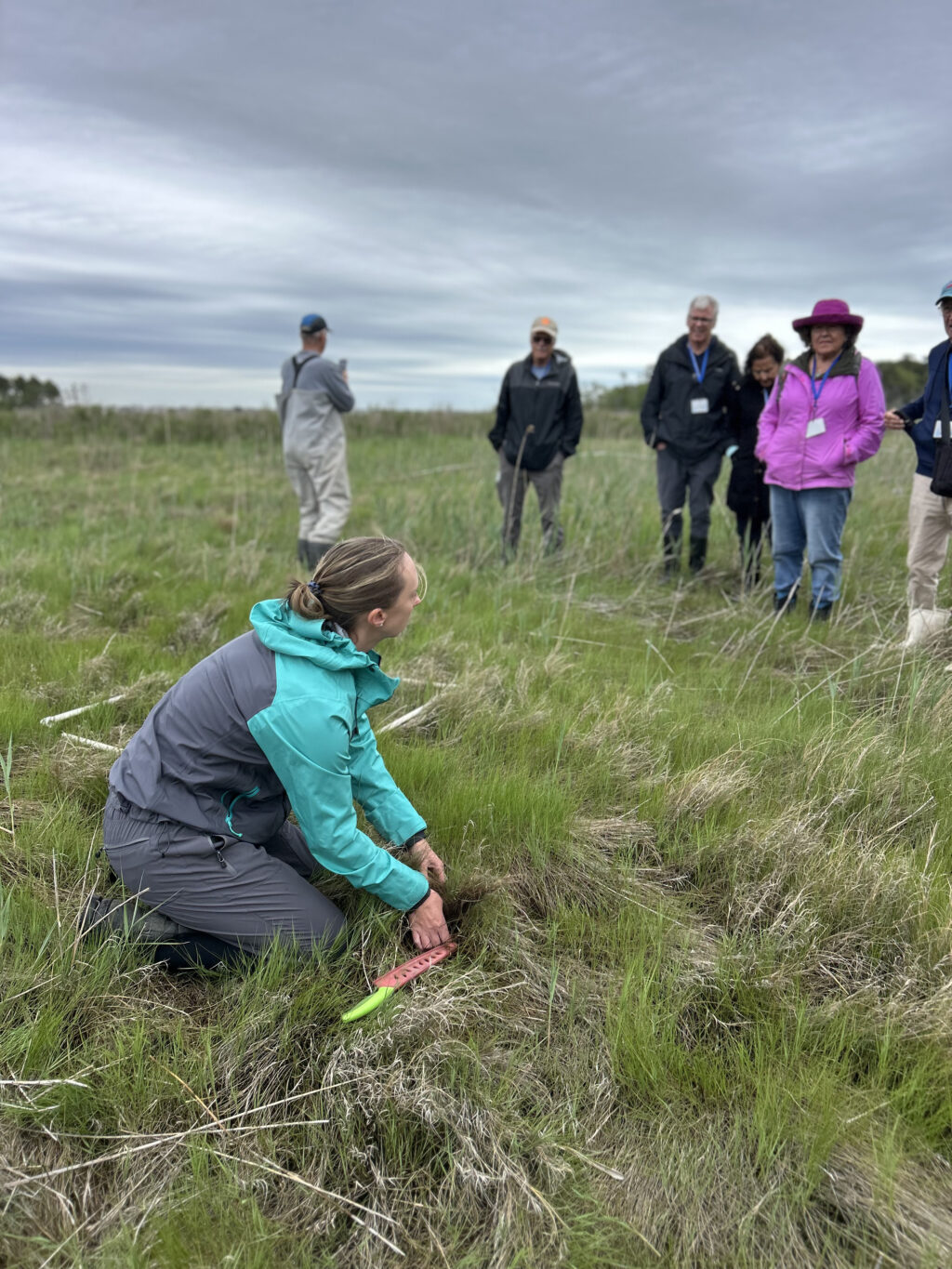
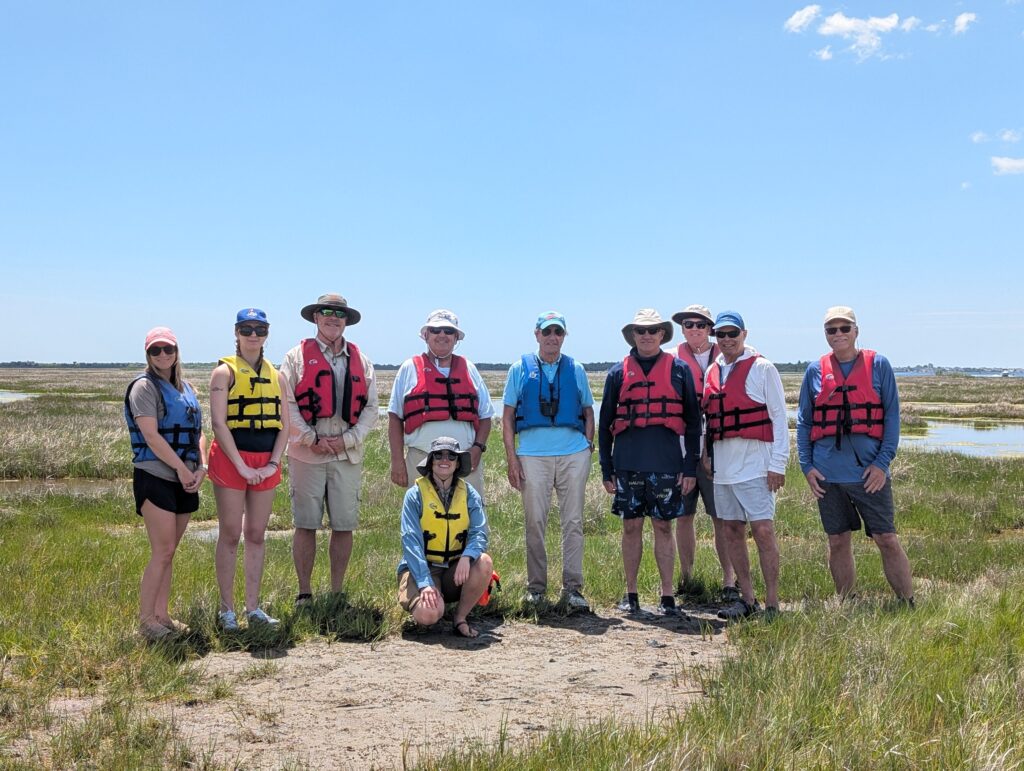
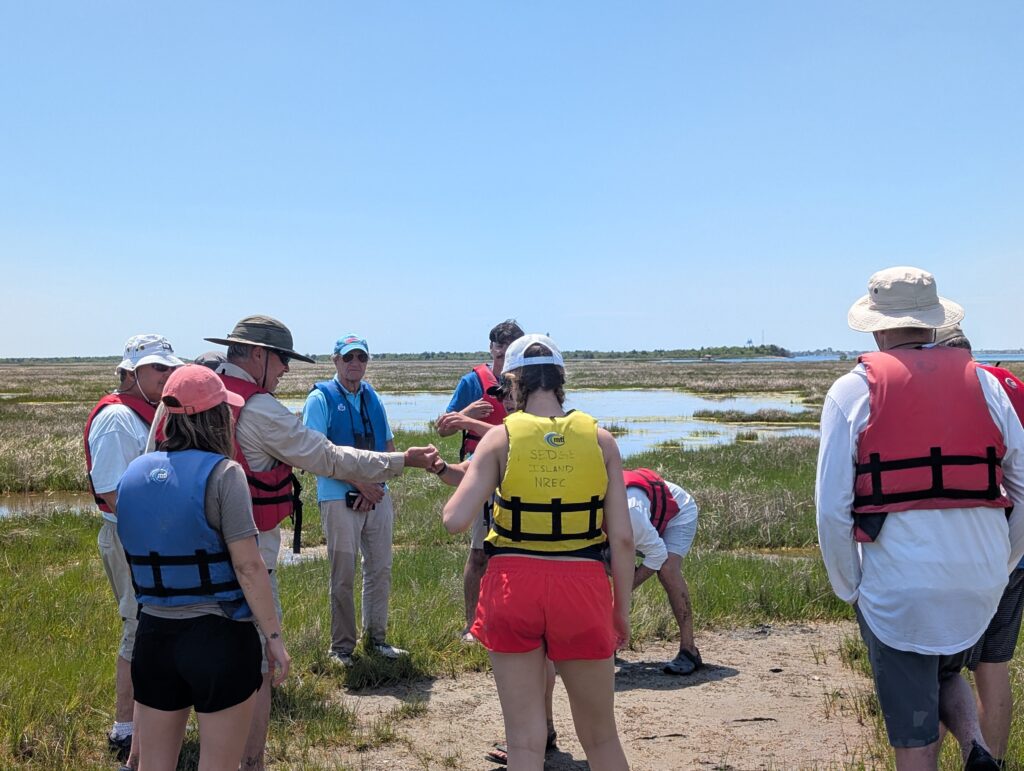
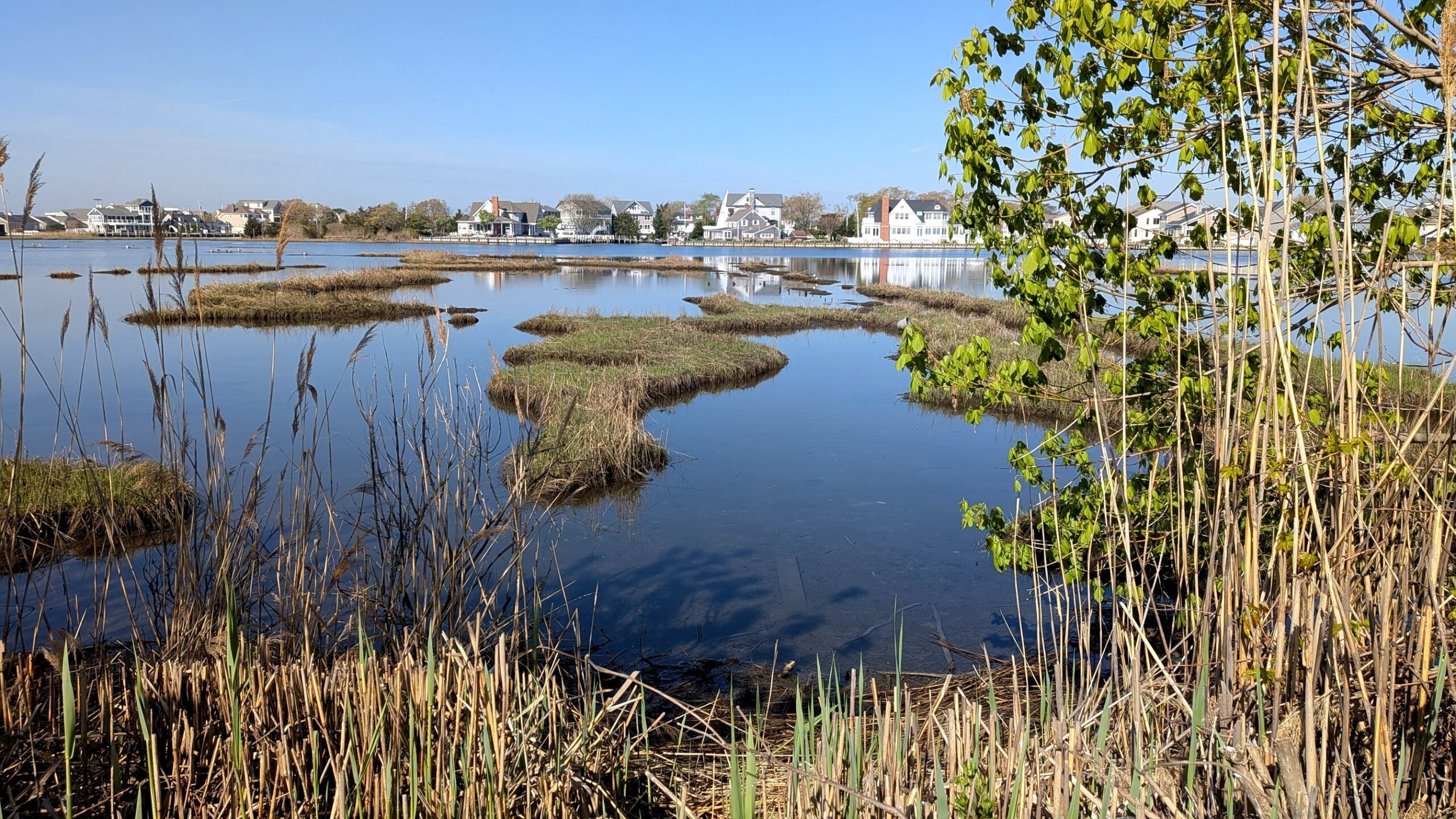
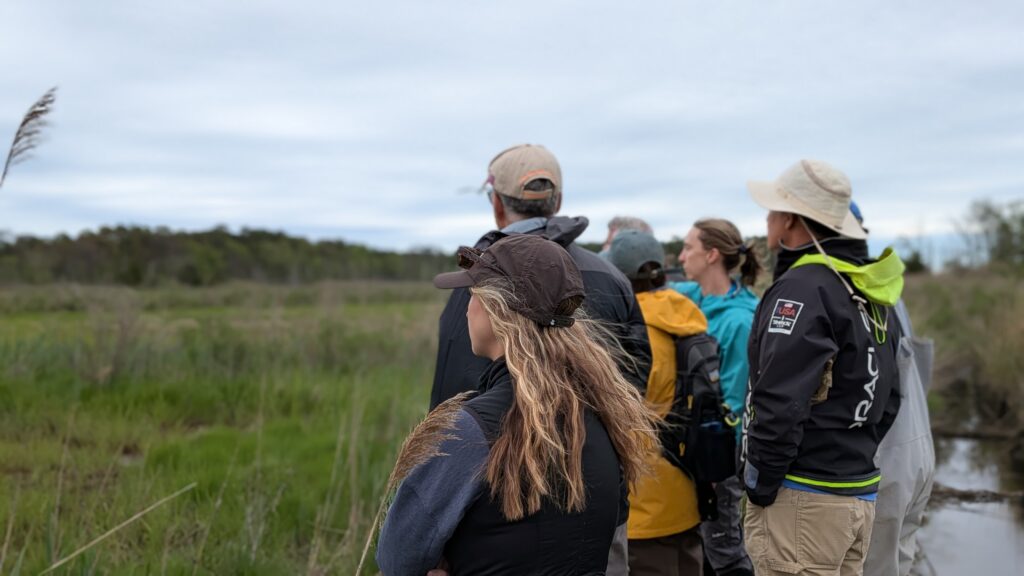
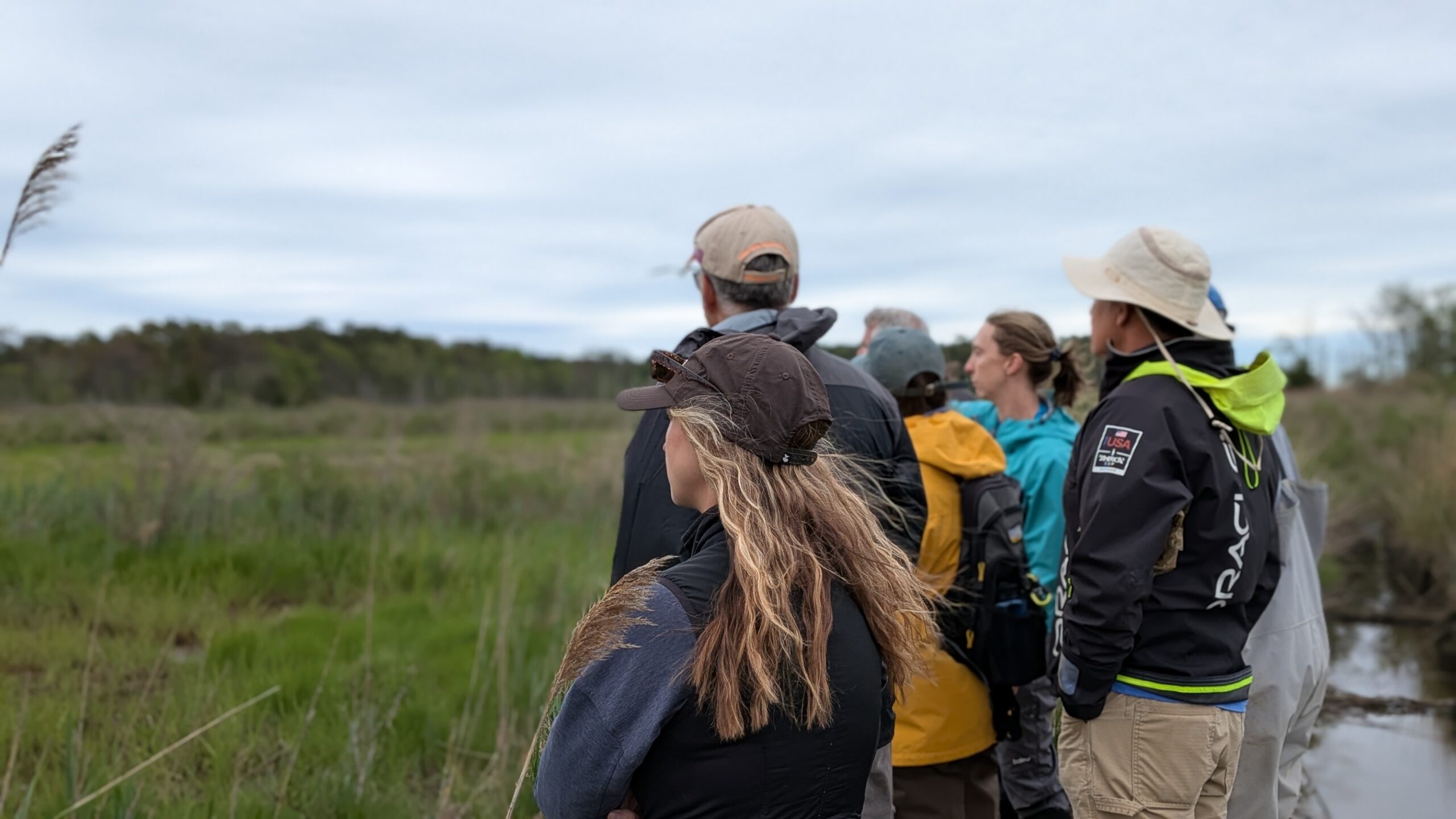
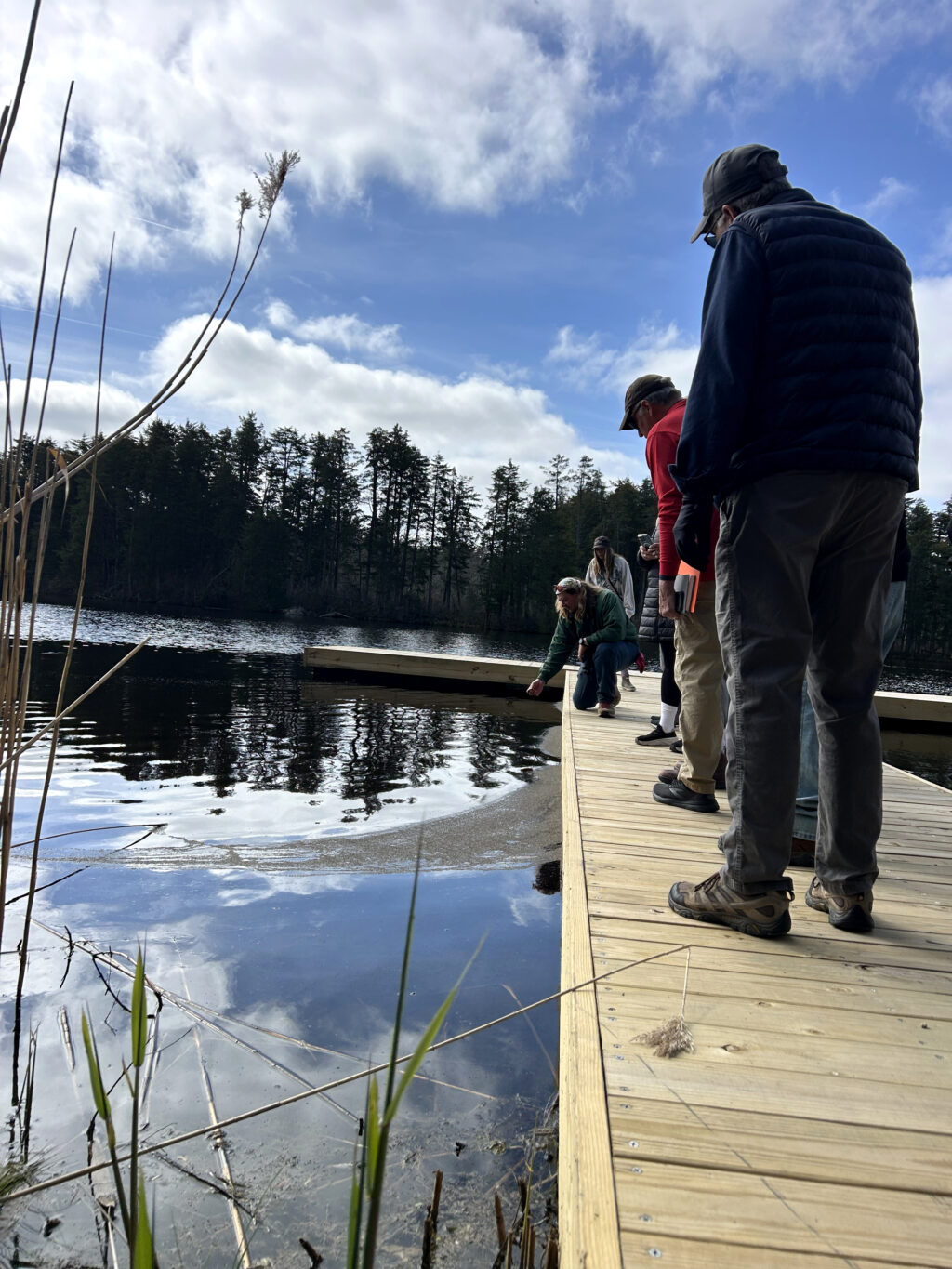
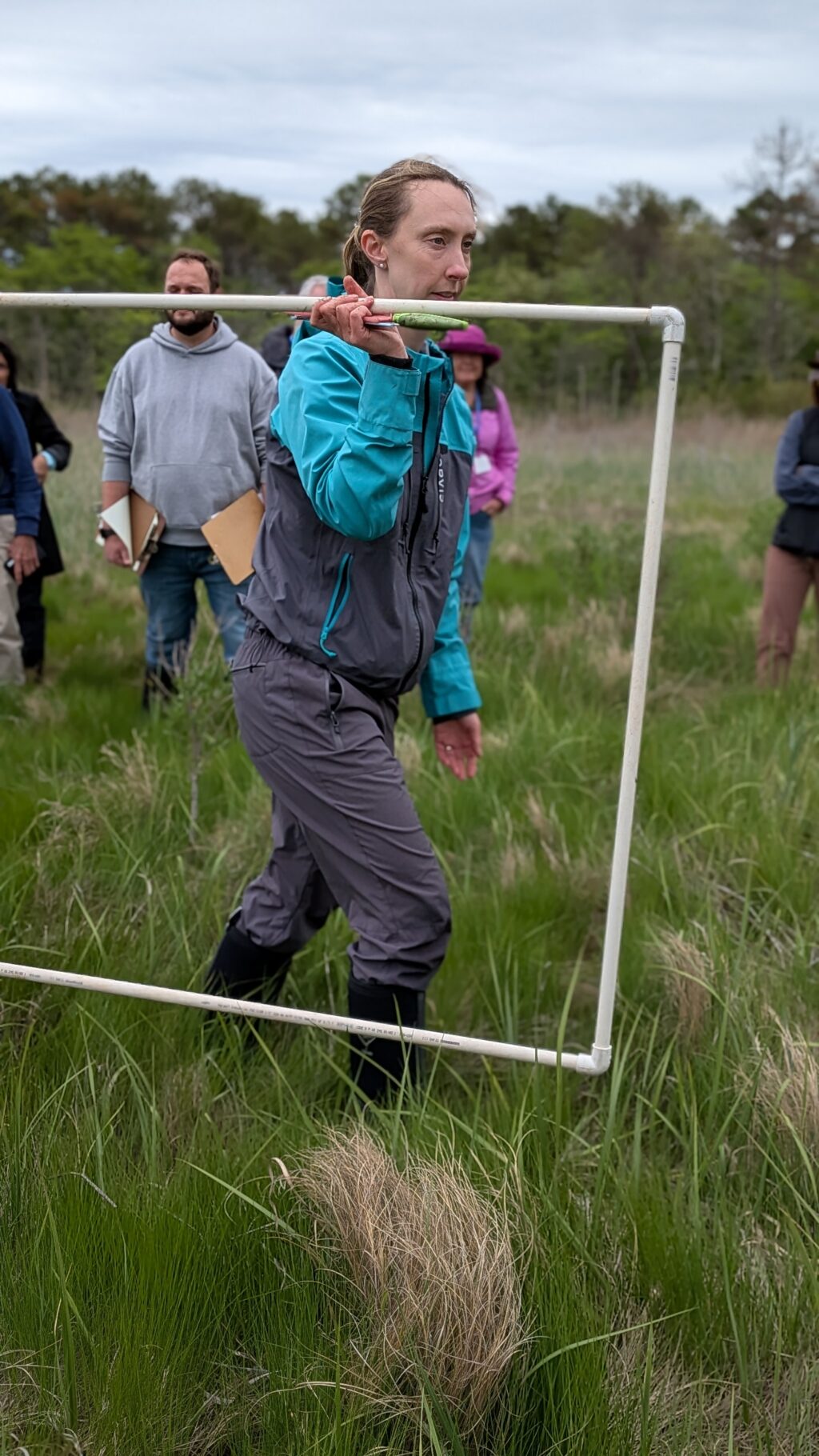
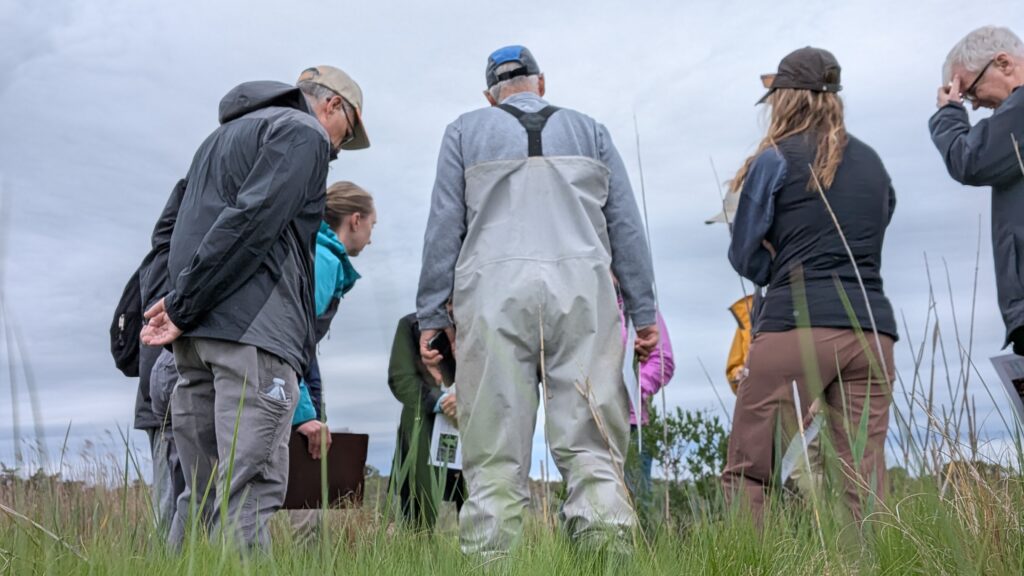
By mid-May, the naturalists were back on the coast, traveling to Cattus Island County Park to learn the ways in which the Barnegat Bay Partnership is monitoring changes in wetland elevation from our very own Wetlands and Watershed Coordinator, Ceili Pestalozzi. After a presentation about the history and ongoing shoreline restoration of Cattus Island Park, the naturalists mucked into the marsh to identify different marsh plants, and learn the critical role of a marsh in protecting the rest of our coastal ecosystem. They got hands-on with some of the tools and techniques scientists use to monitor the wetlands long-term.

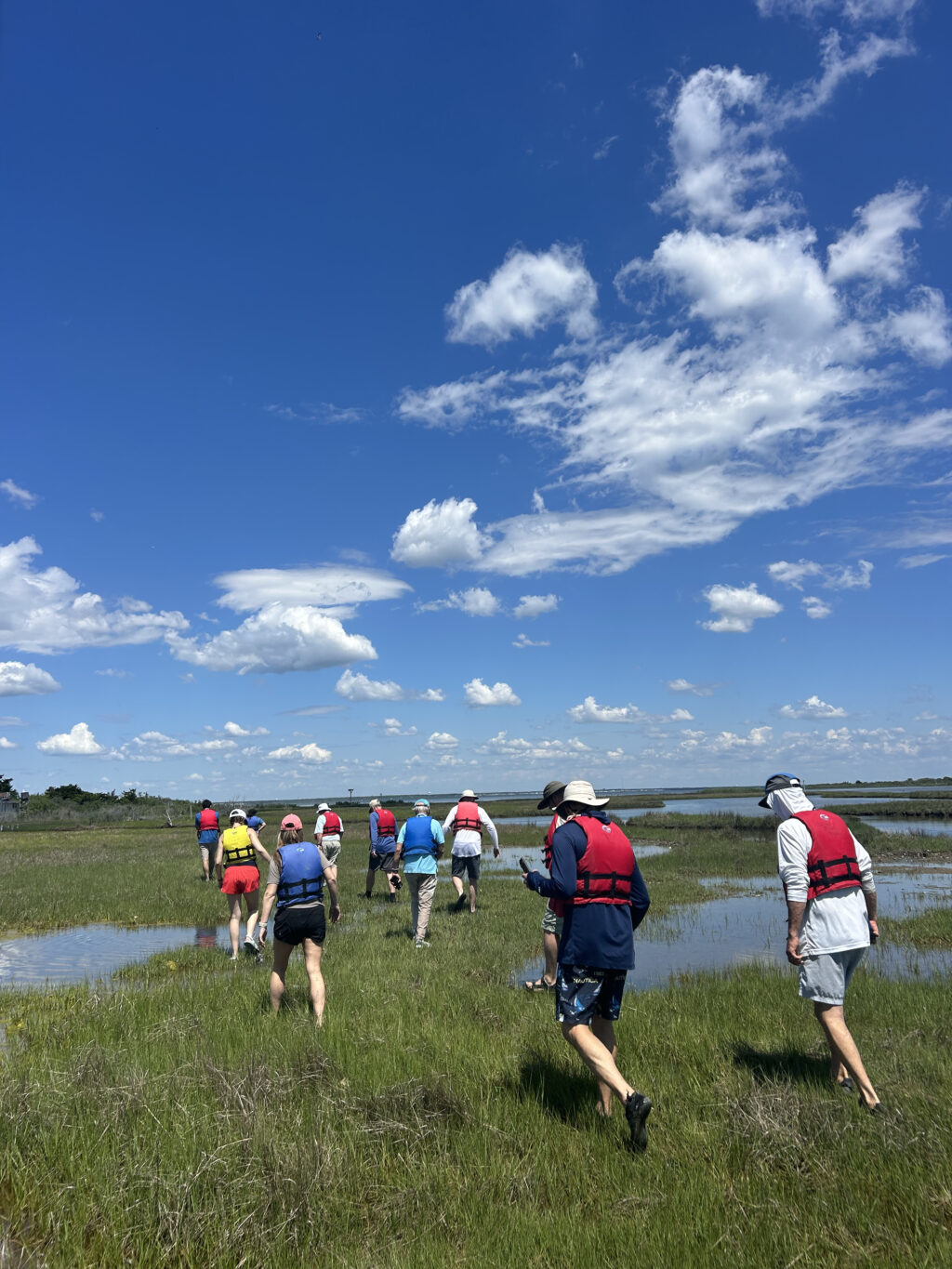
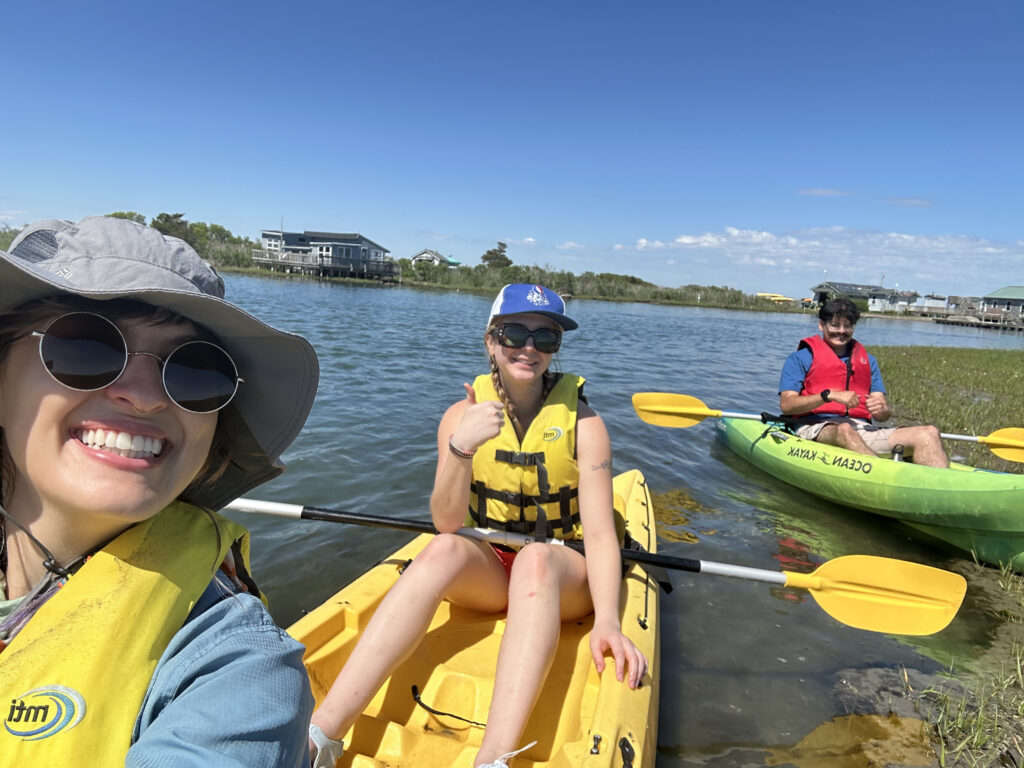
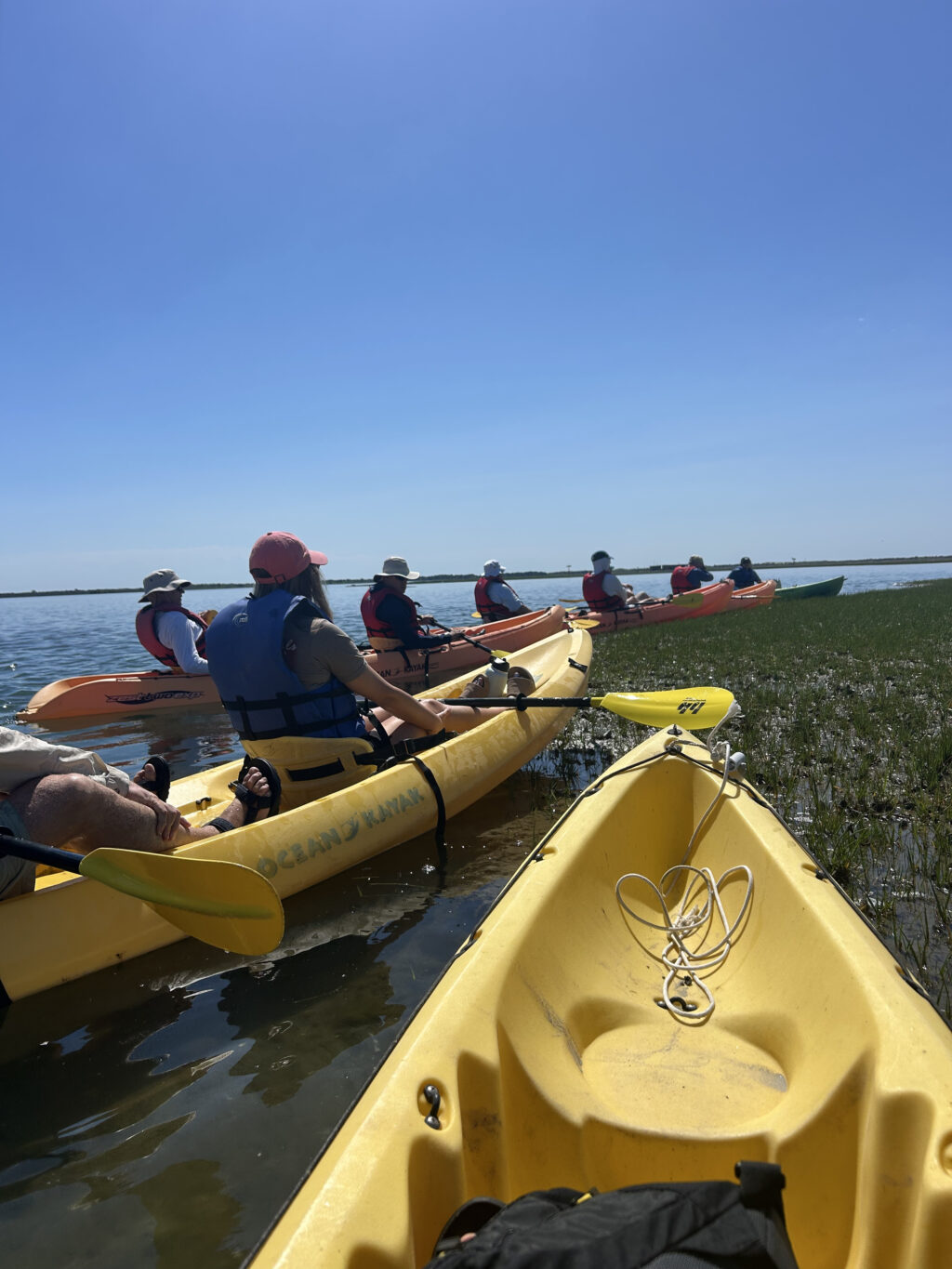
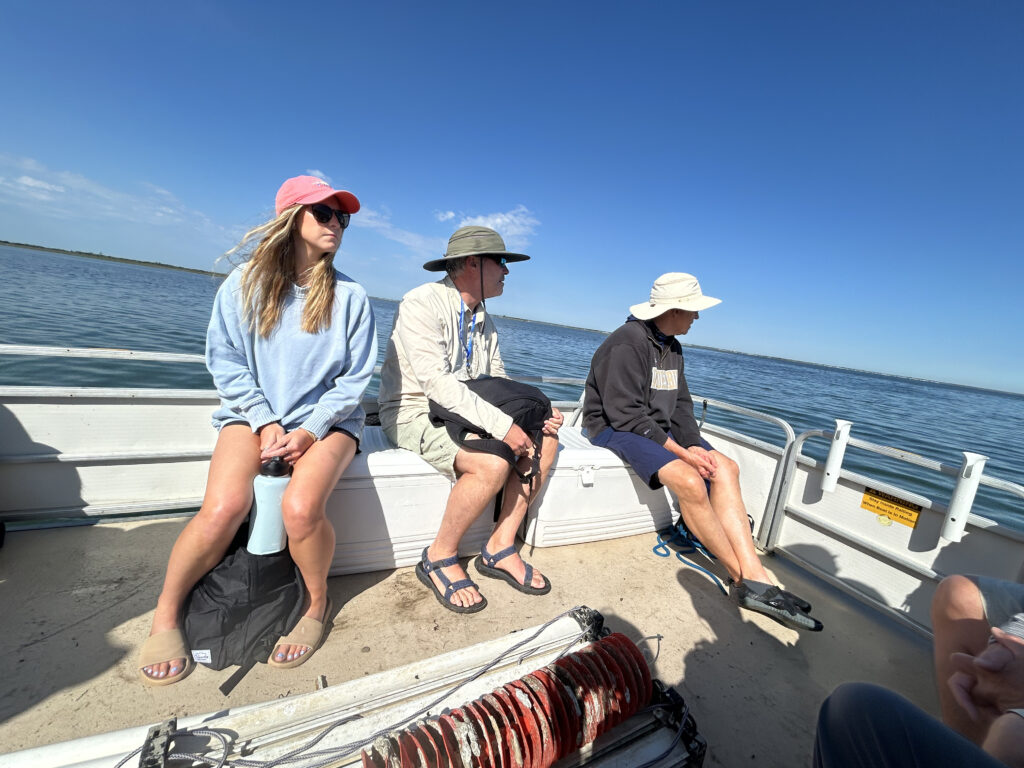
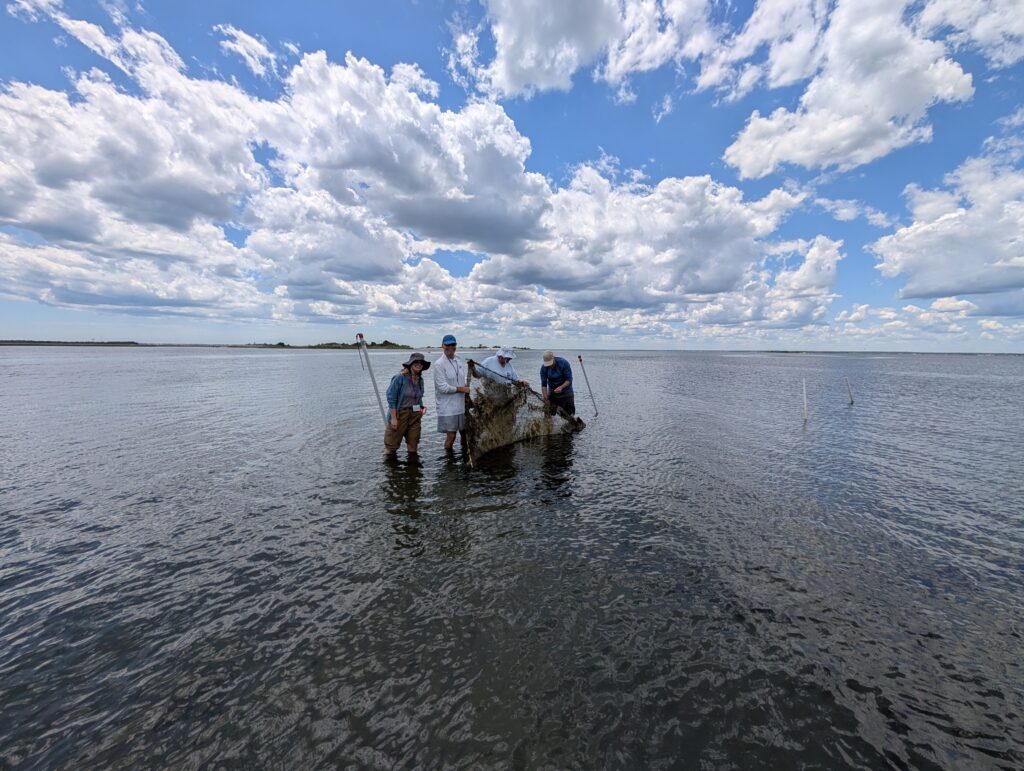
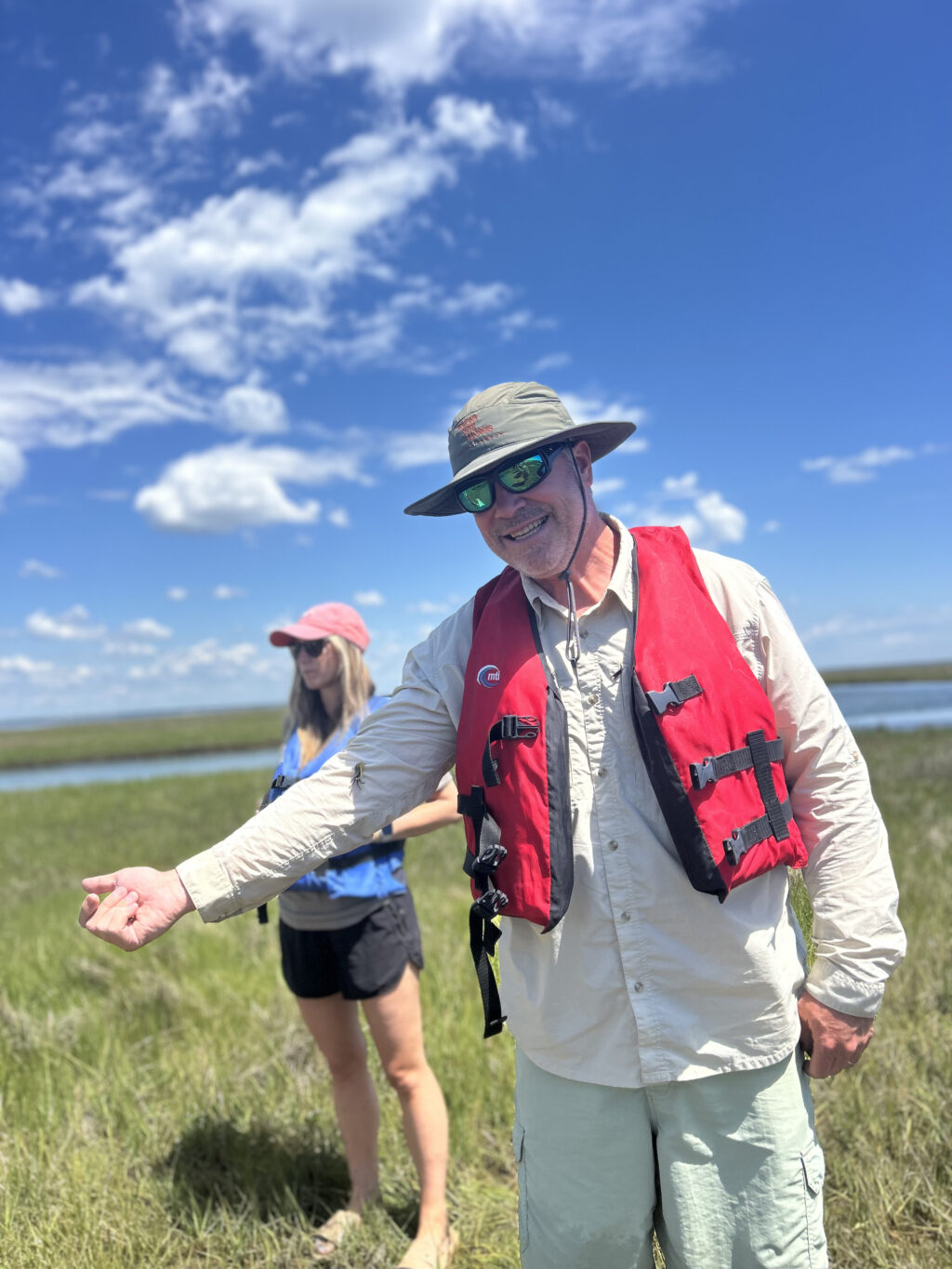
Armed with all of this new knowledge, the naturalists then headed out to Sedge Island Natural Resource Education Center for a day of kayaking, clamming, and seining. They were able to apply many of the skills and knowledge they learned throughout the course, and finished with a tasty treat of grilled clams from the plot that the folks at Sedge Island protect and preserve.

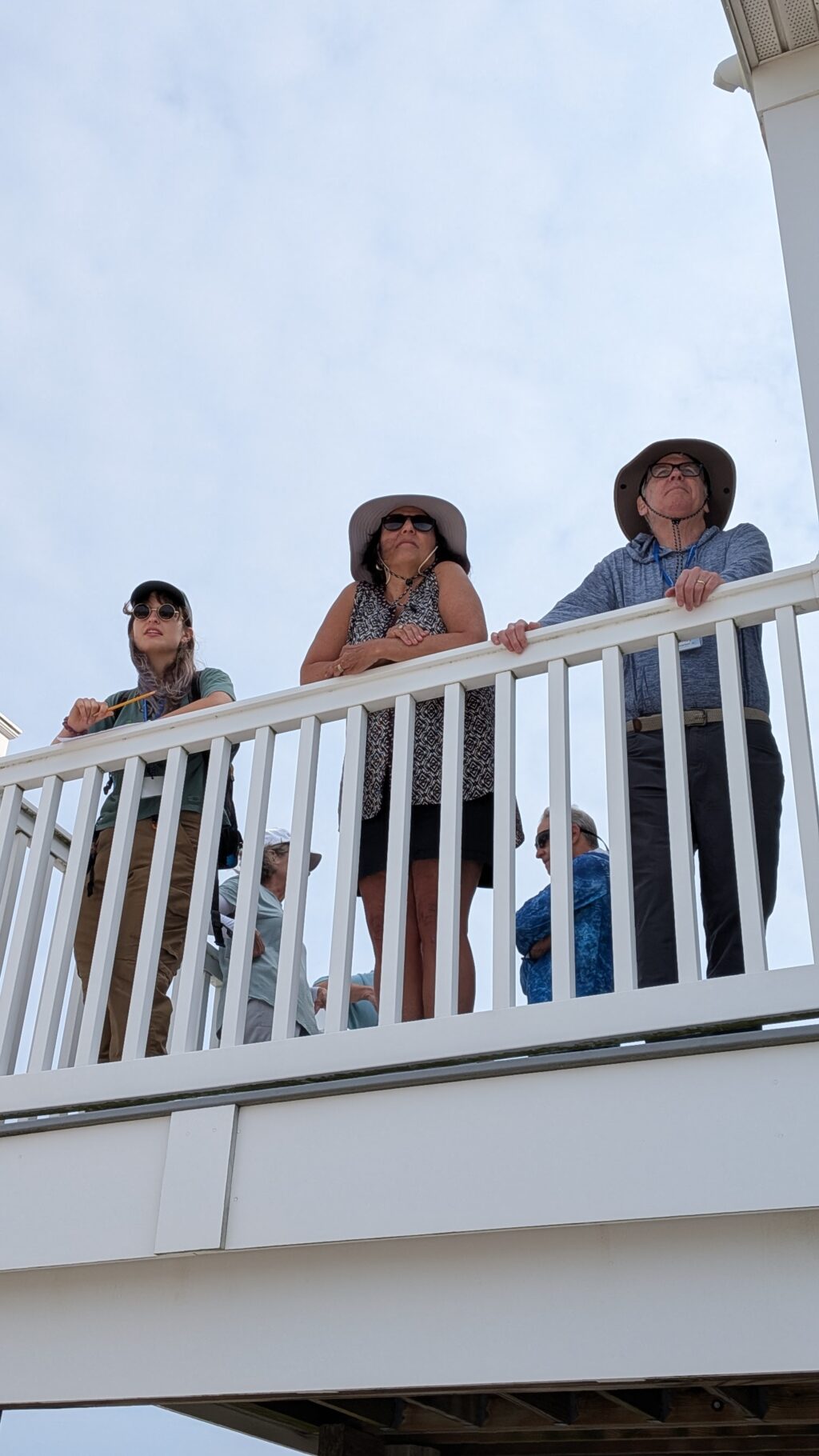
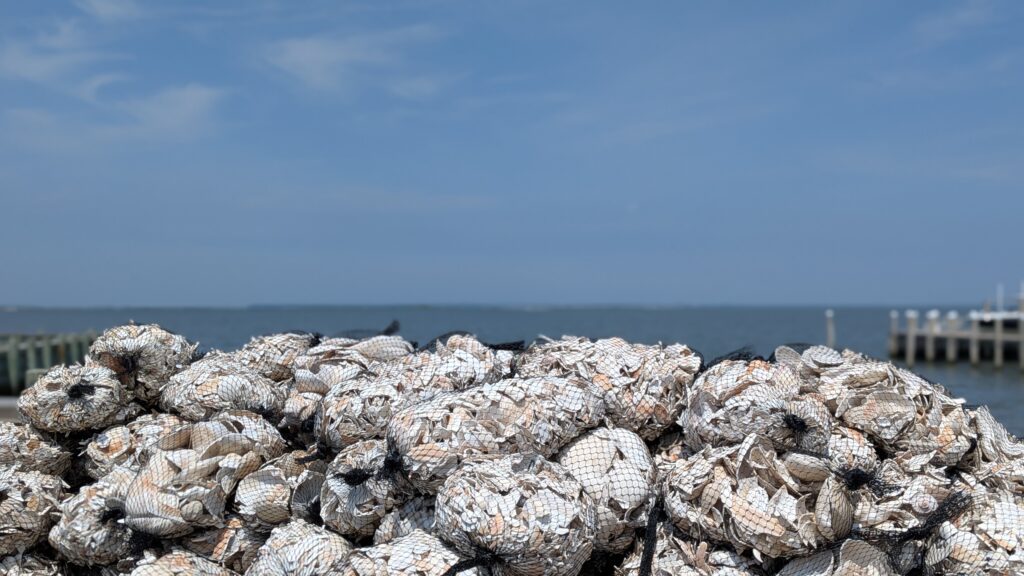
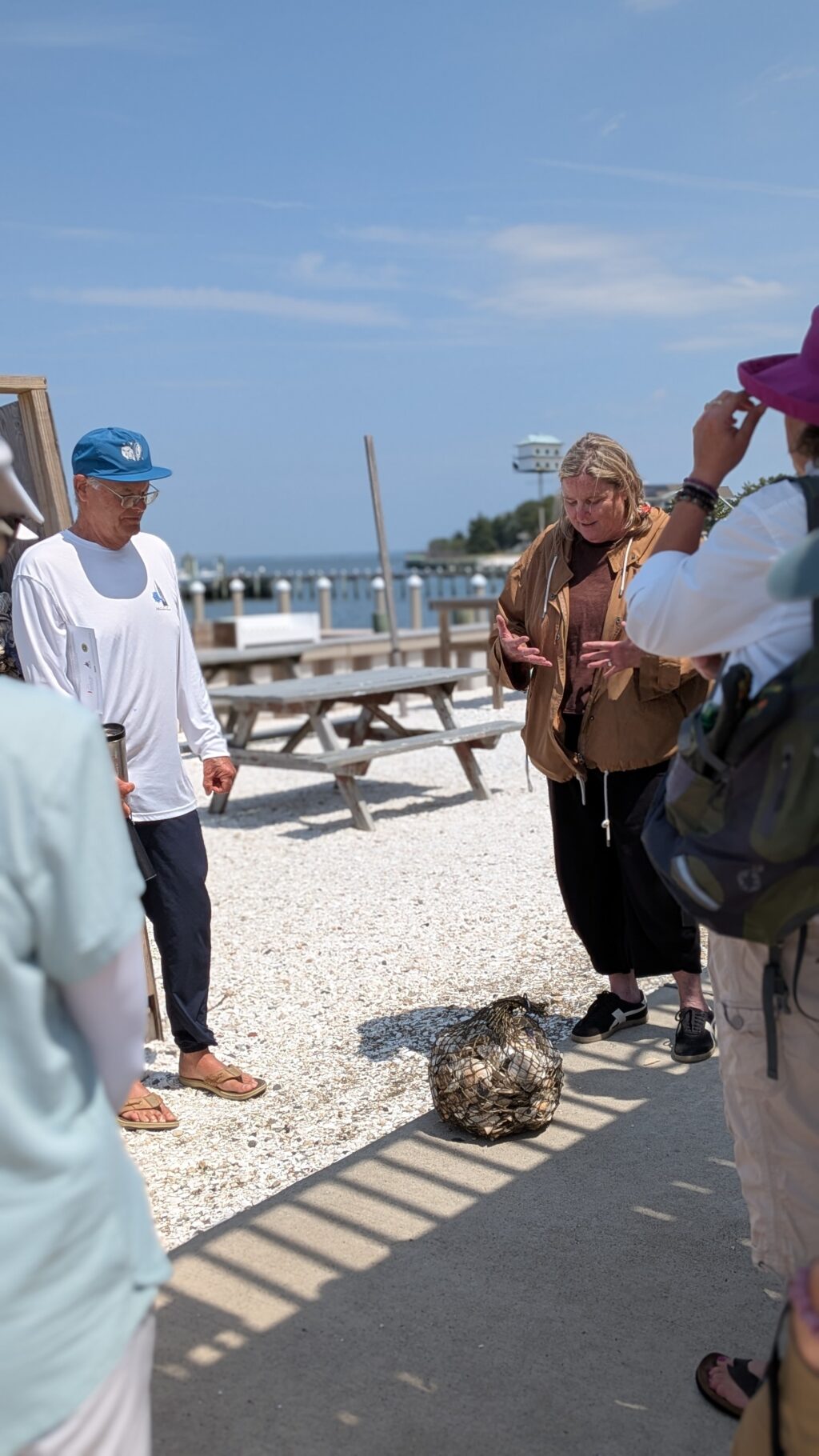
Finally, the course concluded at the Long Beach Township Marine Field Station where Angela Andersen introduced the group to the critical role oyster reefs play in preserving our shoreline. The group was able to see some of the recycled oyster shells that were curing before heading back into the bay to help preserve the bay islands. They also learned about the NJ Bay Islands Initiative and the ways in which Angela and the field station are bringing hands-on learning to the community through educational programs on the island. And the final treat? They were able to taste some local oysters right there on the shoreline.

Ultimately, the 2026 Barnegat Bay Master Naturalist class represents a powerful addition to the region’s conservation community. By bridging the gap between scientific expertise and local stewardship, these fifteen graduates are now equipped to protect the delicate balance of our coastal and forest ecosystems. As they transition from students to active environmental ambassadors, their hands-on dedication will undoubtedly play a vital role in preserving the health, beauty, and resilience of the Barnegat Bay watershed for generations to come. Thank you to all who participated, and we look forward to continuing to work with you!

Explore More Insights from Barnegat Bay

Dive deeper into the ongoing efforts to protect and restore our environment with more updates and initiatives that you can take part in. Check out our latest blog posts for valuable tips and insights.

UNKNOWN

There is limited data available to quantify Wetland and Riparian Buffer Preservation, or updated data to quantify Wetland Acreage. The BBP has obtained funding and will begin assessment efforts for both targets, in the next few years.


 Hard Clam abundance has not been updated since 2012. Recovery of the stock will be guided by the Fishery Management Plan for Hard Clams, which is under development with the NJDEP, BBP, and other organizations. Reclam the Bay and other partners have continued to plant clams for restoration purposes. Continued plantings in strategic locations which maximize survival and reproduction is one strategy to pursue in the coming years. This work can use a model developed by Rutgers with BBP funding which identified areas where planted clams could have the greatest dispersal of their larvae and thus potentially maximally contribute to the recovery of the stock.

 Water Withdrawals were over the target in the 2021 report; USGS has not yet completed its latest update, so a definitive determination of status is not available. However, additional NJDEP data show that it is likely that we continue to not meet the target. Per capita water use has gone down, demonstrating the effectiveness of water-saving appliances and practices, but that decrease has been offset by population gains. 


IN PROGRESS

New maps quantifying Submerged Aquatic Vegetation extent were developed, but poor image clarity resulted in a high degree of uncertainty in the total acreage. NJDEP and Rutgers are working to resolve the uncertainty of these maps, and improve the total acreage estimate. Funding has also been obtained for further research and restoration activities. Several groups are developing potential restoration actions.

The USGS has completed the first phase of its study to identify minimum ecological flows in select Barnegat Bay tributaries. USGS scientists compared streamflow statistics between historical and current time periods to better understand trends in watershed flow conditions. This work provides a foundation for developing ecological flow targets in the Barnegat Bay watershed.  Similar to SAV extent, funding (approximately $450K) has been obtained by the BBP to complete the remaining phases necessary for threshold determination.


TARGETS ACHIEVED

No targets can be considered “Achieved” at this time.


NOT ACHIEVING

Several Public Swimming Beaches exceeded their safe swimming standards more frequently than during their baseline time period (2016-2018).

While most beaches are routinely safe for swimming, several problematic areas such as Beachwood, Hancock, Windward, and several lake beaches need track-down studies and restoration to pinpoint and address sources of bacteria.

Acres of Approved Shellfish Waters decreased from the last report. While this decrease was small, it represents a loss of previously approved waters. Similar to public beaches, track-down studies and restoration work are needed to pinpoint and address sources of bacteria.


The 2026 Barnegat Bay Master Naturalist Class

The Master Naturalist Program is a science-based adult education and volunteer initiative designed to train individuals as environmental stewards and citizen scientists. Participants complete a comprehensive core training curriculum that pairs lectures with immersive outdoor field experiences led by regional ecological experts, learning how to monitor wildlife, manage invasive species, and lead public outreach. Once certified, these volunteers serve as dedicated, long-term advocates who act as the vital boots on the ground for local natural resources.

Bringing this mission home to our local coastal ecosystems, the 2026 graduating class of Barnegat Bay Master Naturalists is officially ready to step into their roles. This year, fifteen dedicated individuals from varying backgrounds came together to immerse themselves specifically in the ecology of the Barnegat Bay watershed. Learning directly from local scientists and environmental professionals, this new cohort focused on regional wetland restoration and watershed management. Equipped with this specialized knowledge, the graduates are prepared to apply their training directly to critical conservation projects and public outreach that will protect and preserve the bay for years to come.

The course began in March when the group first gathered at the Forest Resource Education Center, at the headwaters of the Toms River, to learn about forestry and the benthic macroinvertebrates that indicate water quality health in our freshwater systems. Jane Mattson of the NJDEP led the class through the NJ Forestry Center and seed bank, while NJ AmeriCorps Watershed Ambassador Amy Johnson accompanied the naturalists into the stream to collect and identify the aquatic insects that the state uses to determine priority areas for restoration and management.
Joshua Gant of Wells Mills County Park provided the students with an in-depth introduction to the birds of the watershed, leading them on an immersive guided hike to identify wildlife and learn more about native species to the region.
By mid-April, the naturalists traveled to Island Beach State Park to learn about the nature center and the work being done to preserve the natural land of the park. Murray Rosenberg, former BBP Citizen Representative then led the class onto the beach to learn about dune ecology, coastal geology, and the hands-on techniques used by scientists to monitor shoreline migration, erosion, and accretion in NJ.
The following week the naturalists headed back to the most pristine headwaters in the watershed, visiting the Cedar Creek in Double Trouble State Park. Led by Andrew Anderson, students received a comprehensive background on the history of the cranberry industry in Ocean County and how that shaped the environment we know today.
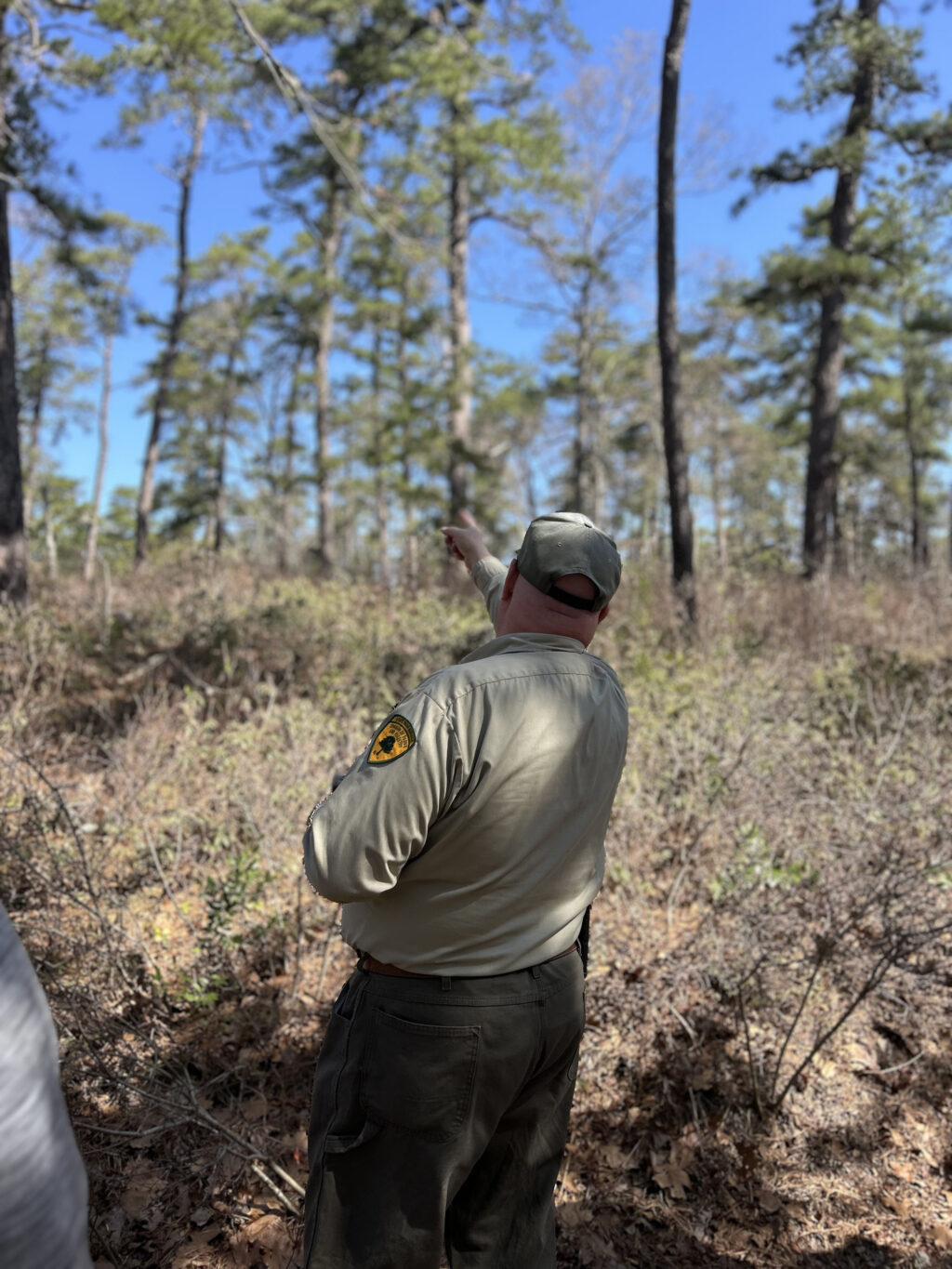
Bouncing back to the coast, the naturalists then heard from John Meiman and Dr. Jack Duggan from ReClam the Bay about the decades-long work they’ve been doing to restore clam populations throughout the bay. The naturalists got to hold baby clams, and learn the way that ReClam the Bay cultivates and nurtures millions of baby clams and oysters, enriching the ecosystem of Barnegat Bay, Manahawkin Bay, and Little Egg Harbor Bay.
To add to the comprehensive list of expert-led activities that the naturalists got to experience, they then headed to the Warren Grove pygmy pine forest and Bass River State Forest with Joel Mott of the NJ Pinelands Commission. Mott explained the ecology of the sandy soils of the pinelands and taught the naturalists how to identify native plant and animal species found in this treasured part of the state.
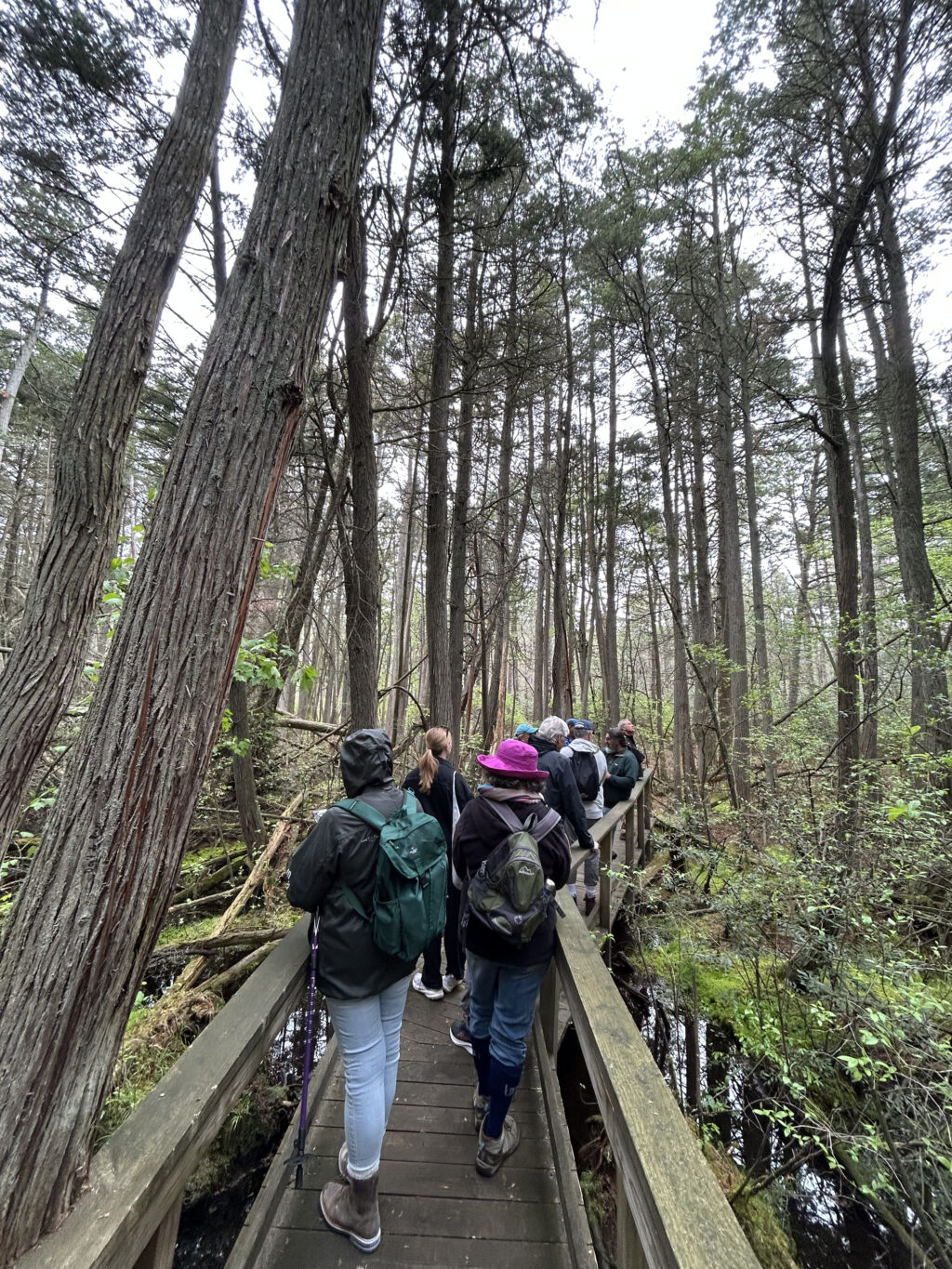
Their exploration of the Pines continued the following week with Jason Hafstad, of NJ Natural Lands Trust, who showed the naturalists how to pay attention to organisms in the forest they may otherwise overlook; from lichens to fungi and grasses, they learned to make micro-level observations while on a hike at Wells Mills county park.
By mid-May, the naturalists were back on the coast, traveling to Cattus Island County Park to learn the ways in which the Barnegat Bay Partnership is monitoring changes in wetland elevation from our very own Wetlands and Watershed Coordinator, Ceili Pestalozzi. After a presentation about the history and ongoing shoreline restoration of Cattus Island Park, the naturalists mucked into the marsh to identify different marsh plants, and learn the critical role of a marsh in protecting the rest of our coastal ecosystem. They got hands-on with some of the tools and techniques scientists use to monitor the wetlands long-term.
Armed with all of this new knowledge, the naturalists then headed out to Sedge Island Natural Resource Education Center for a day of kayaking, clamming, and seining. They were able to apply many of the skills and knowledge they learned throughout the course, and finished with a tasty treat of grilled clams from the plot that the folks at Sedge Island protect and preserve.
Finally, the course concluded at the Long Beach Township Marine Field Station where Angela Andersen introduced the group to the critical role oyster reefs play in preserving our shoreline. The group was able to see some of the recycled oyster shells that were curing before heading back into the bay to help preserve the bay islands. They also learned about the NJ Bay Islands Initiative and the ways in which Angela and the field station are bringing hands-on learning to the community through educational programs on the island. And the final treat? They were able to taste some local oysters right there on the shoreline.
Ultimately, the 2026 Barnegat Bay Master Naturalist class represents a powerful addition to the region’s conservation community. By bridging the gap between scientific expertise and local stewardship, these fifteen graduates are now equipped to protect the delicate balance of our coastal and forest ecosystems. As they transition from students to active environmental ambassadors, their hands-on dedication will undoubtedly play a vital role in preserving the health, beauty, and resilience of the Barnegat Bay watershed for generations to come. Thank you to all who participated, and we look forward to continuing to work with you!
Contact The 2026 Barnegat Bay Master Naturalist ClassContact The 2026 Barnegat Bay Master Naturalist Class