May 21, 2021

Mid-Atlantic Marine Debris Action Plan Released

by S-FX.com

2021 Mid-Atlantic Action Plan cover

Source: NOAA Marine Debris Program

The NOAA Marine Debris Program (MDP) has announced the release of the 2021 Mid-Atlantic Marine Debris Action Plan. This document is the result of a collaborative effort between the MDP and local, state, and federal governments, nonprofits, industry, and academic institutions, and represents a partner-led effort to guide marine debris actions in the Mid-Atlantic region for the next five years. The Barnegat Bay Partnership is one of the partners committed to actions in the new plan.

Marine debris is a transboundary problem across the Mid-Atlantic, shared throughout the region despite vast differences in geographic expanse, communities, state and local governments, legislation, and marine and coastal habitats. A shared regional community approach is needed to effectively address this problem. The Mid-Atlantic Marine Debris Action Plan (Action Plan) establishes a comprehensive framework for strategic action to help reduce the impacts of marine debris on the Mid-Atlantic and its coasts, people, and wildlife.

The Action Plan has four goals with strategies and objectives that define how each goal will be achieved. The goals are:

  • Goal 1: Understand, Prevent, and Mitigate the Impacts of Consumer Debris
  • Goal 2: Understand, Prevent, and Mitigate the Impacts of Derelict Fishing Gear
  • Goal 3: Understand, Prevent, and Mitigate the Impacts of Microplastics and Microfibers
  • Goal 4: Prevent and Mitigate the Contributions of Abandoned and Derelict Vessels, Shrink Wrap, Fiberglass, and Other Related Debris

In total, more than 150 participants from Delaware, Maryland, New Jersey, New York, Virginia, and the District of Columbia were engaged in developing the Action Plan, and 96 partners committed to a total of 54 actions. The Action Plan also incorporates the principles of justice, equity, diversity, and inclusion as core values across all goals.

The Action Plan encompasses work that will be undertaken in the next five years (2021-2026), and participants will provide annual updates on the status of actions. 

For more information, please contact Christy Kehoe (christy.kehoe@noaa.gov) at NOAA Marine Debris Program.

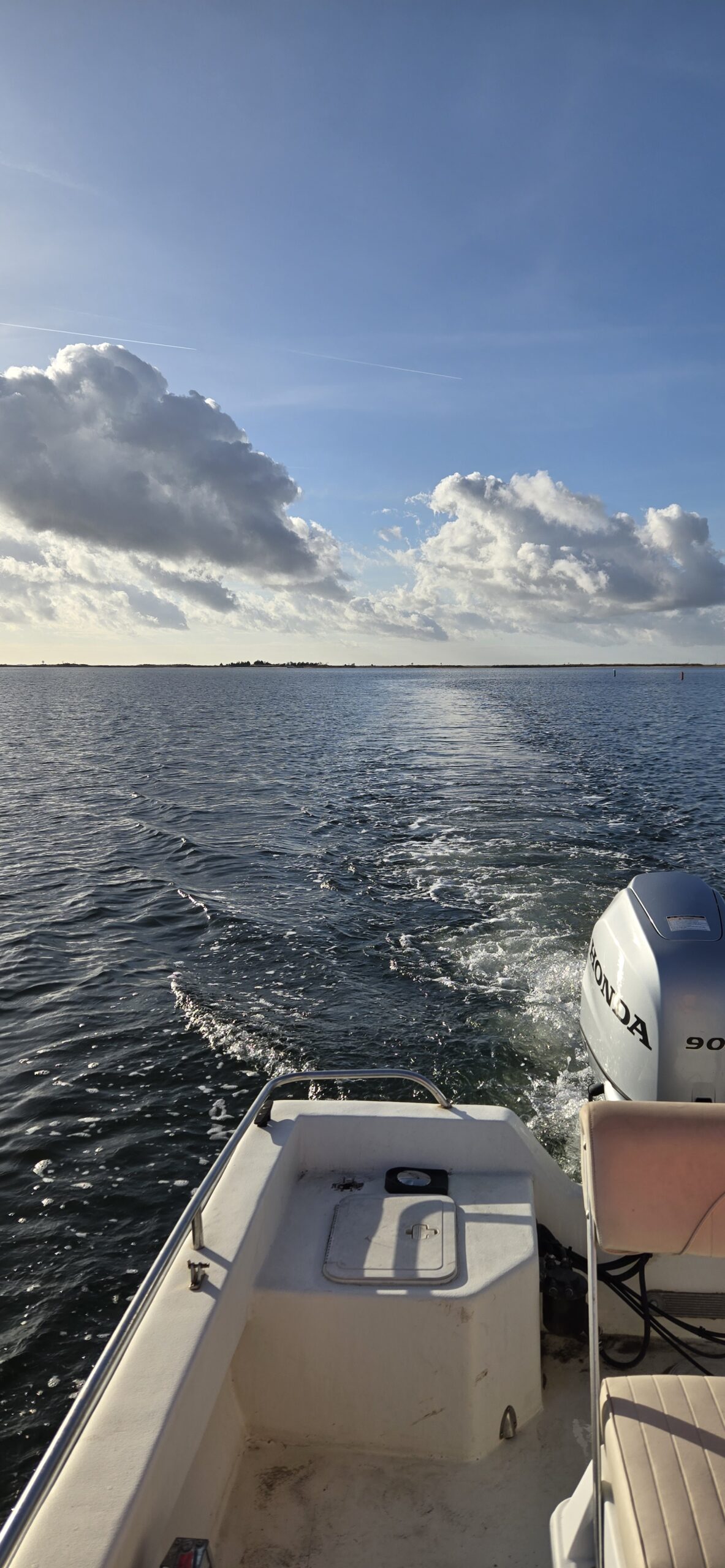
Explore More Insights from Barnegat Bay

Dive deeper into the ongoing efforts to protect and restore our environment with more updates and initiatives that you can take part in. Check out our latest blog posts for valuable tips and insights.

UNKNOWN

There is limited data available to quantify Wetland and Riparian Buffer Preservation, or updated data to quantify Wetland Acreage. The BBP has obtained funding and will begin assessment efforts for both targets, in the next few years.


 Hard Clam abundance has not been updated since 2012. Recovery of the stock will be guided by the Fishery Management Plan for Hard Clams, which is under development with the NJDEP, BBP, and other organizations. Reclam the Bay and other partners have continued to plant clams for restoration purposes. Continued plantings in strategic locations which maximize survival and reproduction is one strategy to pursue in the coming years. This work can use a model developed by Rutgers with BBP funding which identified areas where planted clams could have the greatest dispersal of their larvae and thus potentially maximally contribute to the recovery of the stock.

 Water Withdrawals were over the target in the 2021 report; USGS has not yet completed its latest update, so a definitive determination of status is not available. However, additional NJDEP data show that it is likely that we continue to not meet the target. Per capita water use has gone down, demonstrating the effectiveness of water-saving appliances and practices, but that decrease has been offset by population gains. 


IN PROGRESS

New maps quantifying Submerged Aquatic Vegetation extent were developed, but poor image clarity resulted in a high degree of uncertainty in the total acreage. NJDEP and Rutgers are working to resolve the uncertainty of these maps, and improve the total acreage estimate. Funding has also been obtained for further research and restoration activities. Several groups are developing potential restoration actions.

The USGS has completed the first phase of its study to identify minimum ecological flows in select Barnegat Bay tributaries. USGS scientists compared streamflow statistics between historical and current time periods to better understand trends in watershed flow conditions. This work provides a foundation for developing ecological flow targets in the Barnegat Bay watershed.  Similar to SAV extent, funding (approximately $450K) has been obtained by the BBP to complete the remaining phases necessary for threshold determination.


TARGETS ACHIEVED

No targets can be considered “Achieved” at this time.


NOT ACHIEVING

Several Public Swimming Beaches exceeded their safe swimming standards more frequently than during their baseline time period (2016-2018).

While most beaches are routinely safe for swimming, several problematic areas such as Beachwood, Hancock, Windward, and several lake beaches need track-down studies and restoration to pinpoint and address sources of bacteria.

Acres of Approved Shellfish Waters decreased from the last report. While this decrease was small, it represents a loss of previously approved waters. Similar to public beaches, track-down studies and restoration work are needed to pinpoint and address sources of bacteria.


Mid-Atlantic Marine Debris Action Plan Released

Source: NOAA Marine Debris Program

The NOAA Marine Debris Program (MDP) has announced the release of the 2021 Mid-Atlantic Marine Debris Action Plan. This document is the result of a collaborative effort between the MDP and local, state, and federal governments, nonprofits, industry, and academic institutions, and represents a partner-led effort to guide marine debris actions in the Mid-Atlantic region for the next five years. The Barnegat Bay Partnership is one of the partners committed to actions in the new plan.

Marine debris is a transboundary problem across the Mid-Atlantic, shared throughout the region despite vast differences in geographic expanse, communities, state and local governments, legislation, and marine and coastal habitats. A shared regional community approach is needed to effectively address this problem. The Mid-Atlantic Marine Debris Action Plan (Action Plan) establishes a comprehensive framework for strategic action to help reduce the impacts of marine debris on the Mid-Atlantic and its coasts, people, and wildlife.

The Action Plan has four goals with strategies and objectives that define how each goal will be achieved. The goals are:

  • Goal 1: Understand, Prevent, and Mitigate the Impacts of Consumer Debris
  • Goal 2: Understand, Prevent, and Mitigate the Impacts of Derelict Fishing Gear
  • Goal 3: Understand, Prevent, and Mitigate the Impacts of Microplastics and Microfibers
  • Goal 4: Prevent and Mitigate the Contributions of Abandoned and Derelict Vessels, Shrink Wrap, Fiberglass, and Other Related Debris

In total, more than 150 participants from Delaware, Maryland, New Jersey, New York, Virginia, and the District of Columbia were engaged in developing the Action Plan, and 96 partners committed to a total of 54 actions. The Action Plan also incorporates the principles of justice, equity, diversity, and inclusion as core values across all goals.

The Action Plan encompasses work that will be undertaken in the next five years (2021-2026), and participants will provide annual updates on the status of actions. 

For more information, please contact Christy Kehoe (christy.kehoe@noaa.gov) at NOAA Marine Debris Program.
Contact Mid-Atlantic Marine Debris Action Plan ReleasedContact Mid-Atlantic Marine Debris Action Plan Released
2021 Mid-Atlantic Action Plan cover
Photo credit: Cynthia Smith, George Mason University