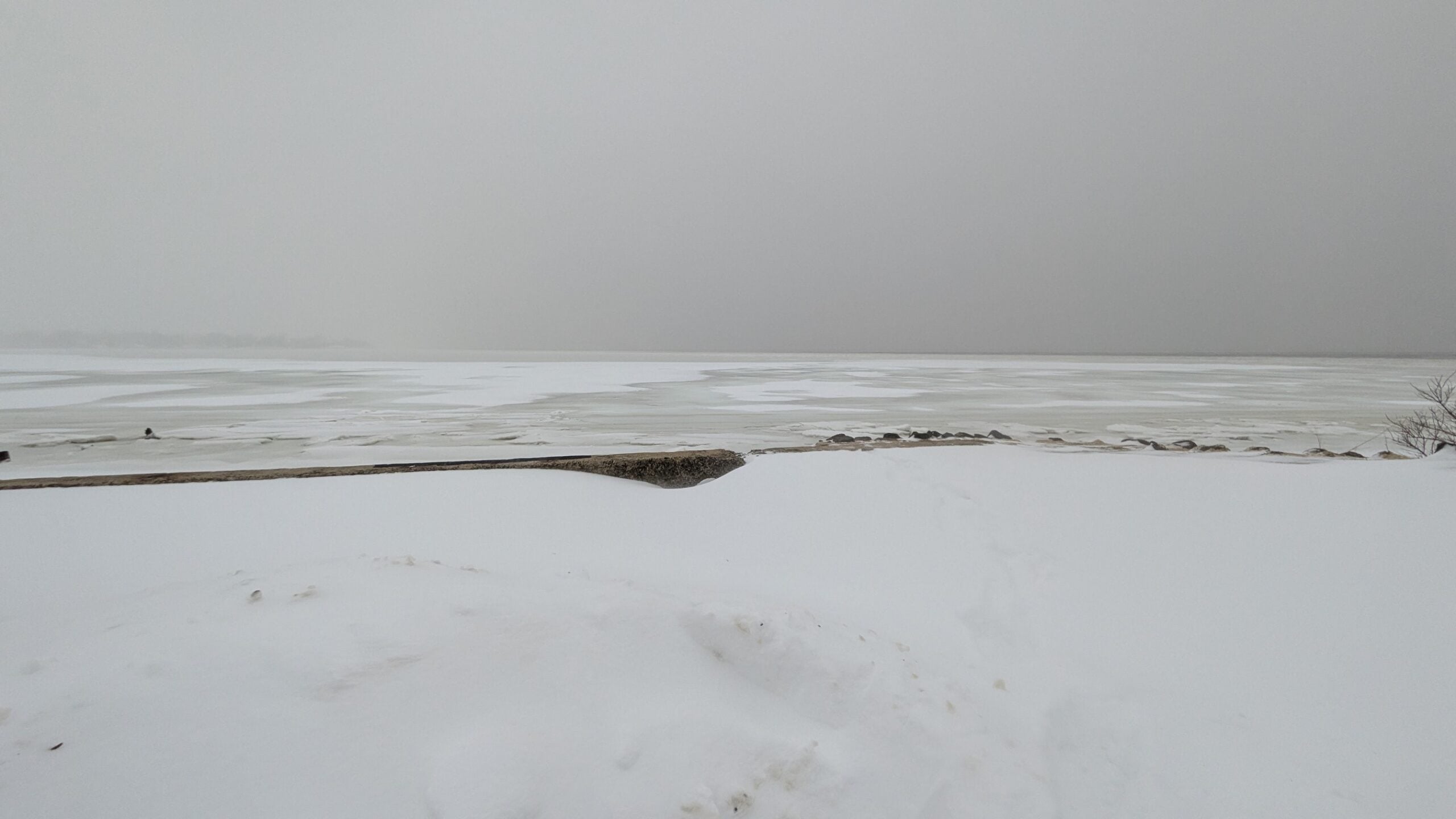
As we shift into the winter season, you may noticed some changes throughout the Barnegat Bay watershed. The marsh grasses turn golden brown, boat traffic slows, and the fish and crabs that were so abundant during the warmer months become harder to find. At first glance, it might seem like much of the bay’s wildlife has disappeared for the season. But beneath the water and muddy marshes, life continues in some pretty remarkable ways.
For many animals, surviving winter means finding a place to shelter and conserving energy until temperatures rise again. Others leave the estuary altogether, moving into deeper water or migrating to warmer environments. These seasonal changes are an important part of the natural rhythms of Barnegat Bay.
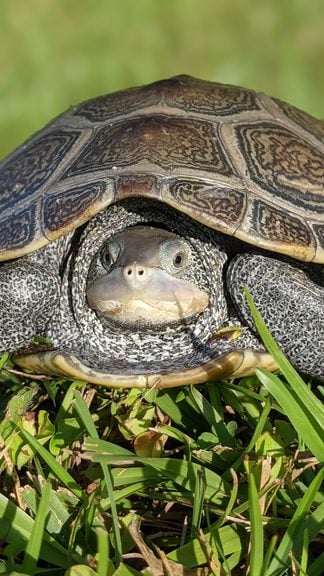
One of the more interesting winter survival strategies happens right beneath the marsh mud. Diamondback terrapins, the turtles commonly found in our coastal salt marshes, spend much of the warmer season swimming through tidal creeks and searching for food. As water temperatures fall, their activity slows considerably. Terrapins can spend the winter submerged in the muddy bottoms of tidal creeks, where they become largely inactive and their metabolism slows. Because they are reptiles, their body temperature is influenced by the surrounding environment, allowing them to conserve energy during the colder months. While submerged, they can obtain oxygen from the surrounding water through specialized tissues, helping them survive for extended periods without surfacing.
Blue crabs have their own approach to winter. During summer, these familiar crustaceans are active throughout the bay, moving through shallow waters, feeding, and seeking shelter among submerged vegetation. As temperatures decline, many move toward deeper water and bury themselves in the sediment, where they remain relatively inactive through the coldest months. Their metabolism slows, reducing their need for food and allowing them to conserve energy until conditions improve.
Fish respond to winter in a variety of ways, depending on the species. Many of the fish that use Barnegat Bay as feeding grounds or nursery habitat during the warmer months move into deeper coastal waters as temperatures fall. Summer flounder, for example, generally migrate offshore during the colder months, while other species remain in the estuary or move through it at different stages of their life cycles.
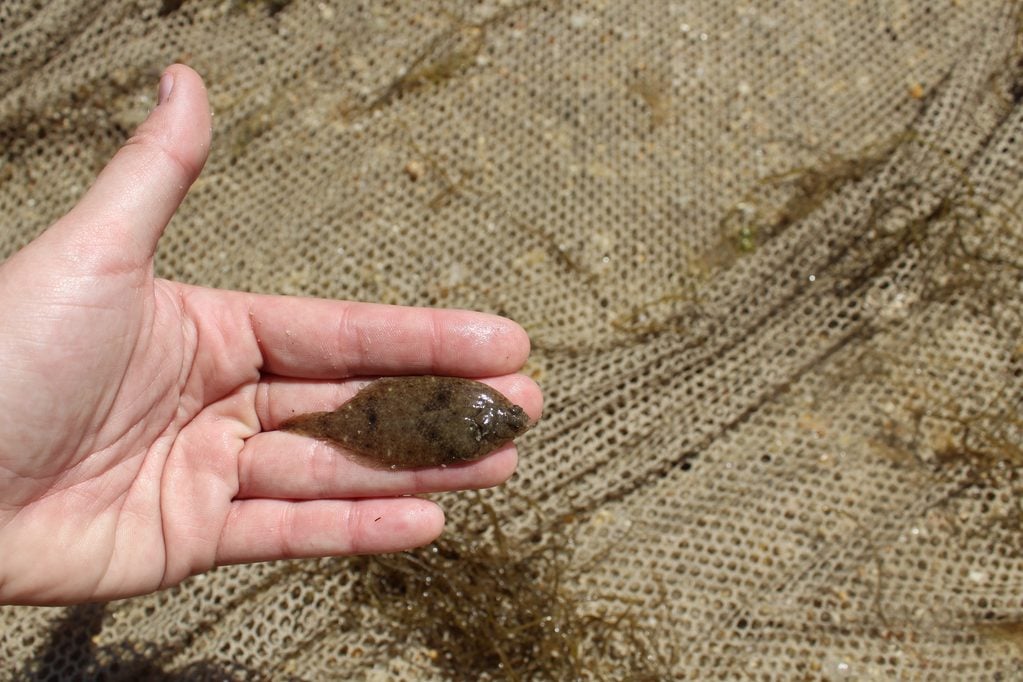
Winter flounder are a particularly interesting exception. Unlike summer flounder, winter flounder move into shallow coastal and estuarine waters during the colder part of the year to reproduce. Their presence is a reminder that winter is not simply a period when fish leave the bay. For some species, it is an important part of their reproductive cycle.
Even the underwater vegetation changes with the seasons. Barnegat Bay’s seagrass meadows, including eelgrass and widgeon grass, provide important habitat for fish, crabs, and other aquatic organisms. These underwater plants respond to seasonal changes in water temperature and available sunlight, and their growth and abundance can vary considerably throughout the year.
Eelgrass is especially interesting because it is adapted to relatively cool water. In New Jersey, eelgrass typically reaches its greatest aboveground biomass during the spring and early summer, with declines often occurring later in the growing season as water temperatures rise. Although its growth slows during colder, darker winter months, eelgrass is a perennial plant that can survive through winter, retaining living shoots and underground rhizomes that support future growth. Its seasonal cycle is different from that of many plants we see on land, and cooler temperatures can actually provide relief from the heat stress eelgrass experiences during summer.
Above the water, the salt marsh is undergoing its own seasonal transformation. The tall green grasses that dominate the marsh during summer turn brown as the growing season ends. Saltmarsh cordgrass, one of the characteristic plants of our coastal wetlands, is a perennial species that survives through its extensive underground root and rhizome system. Although much of its aboveground growth dies back, the living structures below the sediment remain, allowing new shoots to emerge when conditions become favorable in spring.
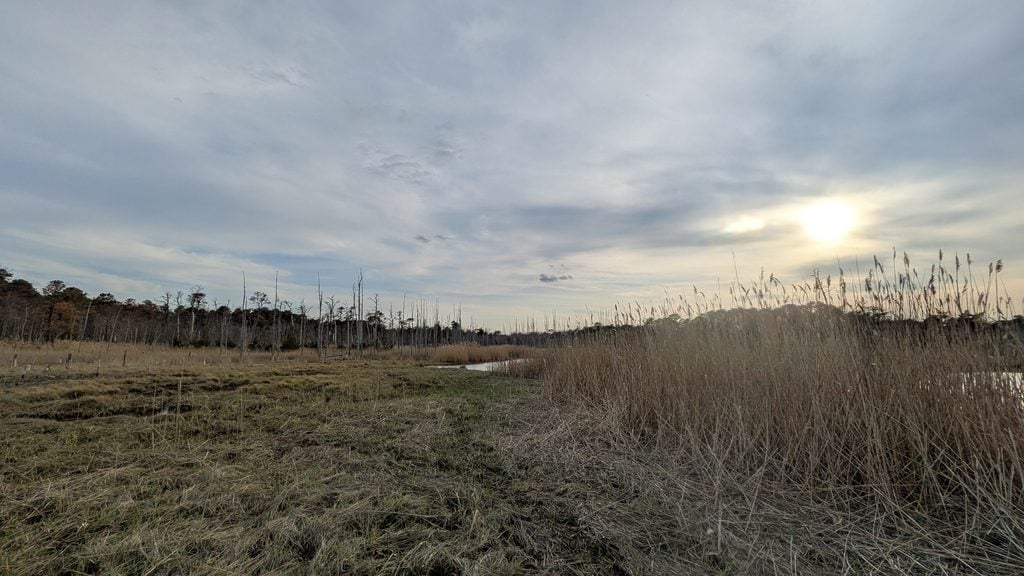
The dead stems and leaves left behind also serve an important ecological purpose. As this plant material breaks down, it contributes organic matter to the marsh and surrounding estuary, supporting decomposers and food webs. The dense network of roots and rhizomes continues to help hold marsh sediment together, while standing vegetation provides structure and shelter even after the growing season has ended.
And while some of the bay’s familiar summer residents become less visible, others are just arriving. Winter brings an entirely different community of wildlife to the Barnegat Bay watershed. Brant, buffleheads, loons, and other migratory waterbirds spend the colder months feeding and resting in the bay and surrounding coastal habitats. For these species, our estuary is an important seasonal destination rather than a place to escape when temperatures drop.
All of these changes are connected. The muddy bottoms of tidal creeks provide shelter for overwintering animals, submerged vegetation supports aquatic life throughout its seasonal cycle, and salt marshes continue to provide habitat and contribute to the estuary’s food web even when their grasses are no longer green. These habitats are important not only during the busy summer months, but throughout the entire year.
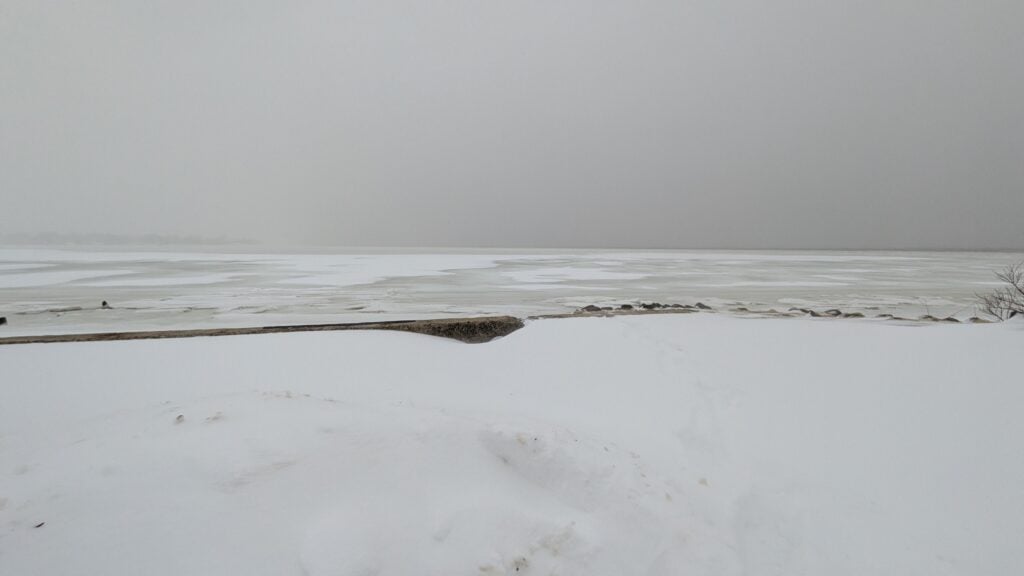
The next time you visit Barnegat Bay on a quiet winter day, remember that the stillness above the surface doesn’t tell the whole story. Beneath the mud, among the seagrass, and throughout the marsh, animals and plants are responding to the season in ways that help them survive and prepare for the months ahead. Winter may look like a quiet time on the bay, but it is very much a part of the life of the estuary.