March 21, 2018

Annual Report 2017-2018

by S-FX.com

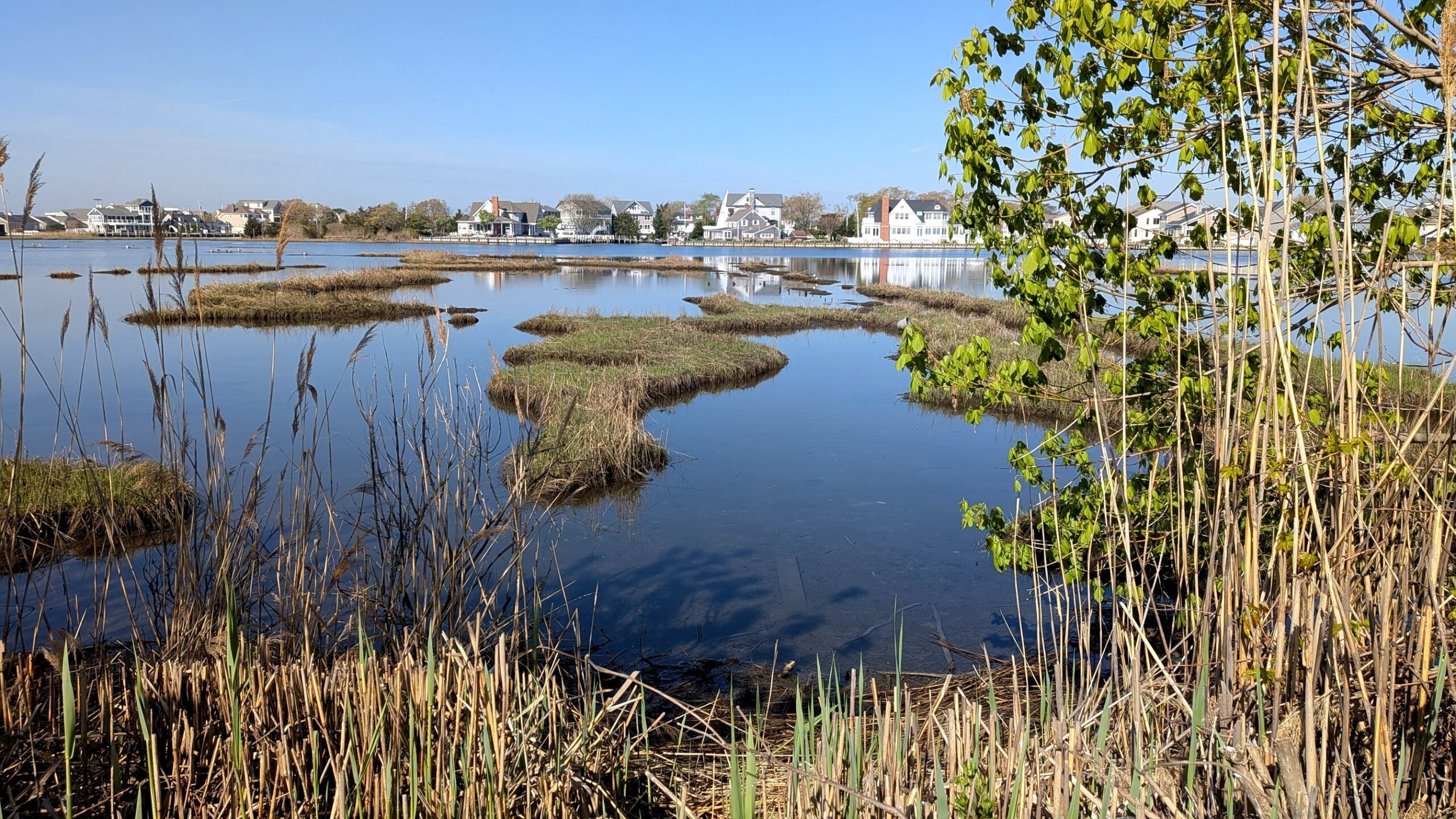
wetlands

What has the Barnegat Bay Partnership been up to over the last year?  Each year we publish an annual report to answer this question and also take a look at the year ahead. The report covers everything from research and citizen science to education and stewardship.

In 2017, the BBP continued its research on subjects as diverse as wetlands, water quality, coastal acidification, seagrass, American eels, and oysters. We also celebrated the 20th anniversary of the Barnegat Bay Festival, launched a new and improved website, and hosted the first Jersey-Friendly Yards conference.

From dune grass plantings to beach clean-ups, volunteers contributed many hours to restoring and improving our watershed. Citizen scientists waded into streams and paddled the bay shoreline to collect important data for improving our understanding of the bay. We want to use this opportunity to thank everyone who is able to carve out some time to volunteer for the bay. We couldn’t do what we do without you!

In 2017, we continued the process of revising the Comprehensive Conservation and Management Plan for Barnegat Bay and reaching out for your input. If we haven’t heard from you yet, send us your thoughts and concerns about the bay via this short feedback form.  When a draft of the plan is released in 2018, we will provide both online and in-person opportunities for feedback and comments.

Read more about all of this in our Annual Report 2017-2018!

BBP Annual Report Feb2018 Coverthumb

Explore More Insights from Barnegat Bay

Dive deeper into the ongoing efforts to protect and restore our environment with more updates and initiatives that you can take part in. Check out our latest blog posts for valuable tips and insights.

UNKNOWN

There is limited data available to quantify Wetland and Riparian Buffer Preservation, or updated data to quantify Wetland Acreage. The BBP has obtained funding and will begin assessment efforts for both targets, in the next few years.


 Hard Clam abundance has not been updated since 2012. Recovery of the stock will be guided by the Fishery Management Plan for Hard Clams, which is under development with the NJDEP, BBP, and other organizations. Reclam the Bay and other partners have continued to plant clams for restoration purposes. Continued plantings in strategic locations which maximize survival and reproduction is one strategy to pursue in the coming years. This work can use a model developed by Rutgers with BBP funding which identified areas where planted clams could have the greatest dispersal of their larvae and thus potentially maximally contribute to the recovery of the stock.

 Water Withdrawals were over the target in the 2021 report; USGS has not yet completed its latest update, so a definitive determination of status is not available. However, additional NJDEP data show that it is likely that we continue to not meet the target. Per capita water use has gone down, demonstrating the effectiveness of water-saving appliances and practices, but that decrease has been offset by population gains. 


IN PROGRESS

New maps quantifying Submerged Aquatic Vegetation extent were developed, but poor image clarity resulted in a high degree of uncertainty in the total acreage. NJDEP and Rutgers are working to resolve the uncertainty of these maps, and improve the total acreage estimate. Funding has also been obtained for further research and restoration activities. Several groups are developing potential restoration actions.

The USGS has completed the first phase of its study to identify minimum ecological flows in select Barnegat Bay tributaries. USGS scientists compared streamflow statistics between historical and current time periods to better understand trends in watershed flow conditions. This work provides a foundation for developing ecological flow targets in the Barnegat Bay watershed.  Similar to SAV extent, funding (approximately $450K) has been obtained by the BBP to complete the remaining phases necessary for threshold determination.


TARGETS ACHIEVED

No targets can be considered “Achieved” at this time.


NOT ACHIEVING

Several Public Swimming Beaches exceeded their safe swimming standards more frequently than during their baseline time period (2016-2018).

While most beaches are routinely safe for swimming, several problematic areas such as Beachwood, Hancock, Windward, and several lake beaches need track-down studies and restoration to pinpoint and address sources of bacteria.

Acres of Approved Shellfish Waters decreased from the last report. While this decrease was small, it represents a loss of previously approved waters. Similar to public beaches, track-down studies and restoration work are needed to pinpoint and address sources of bacteria.


Annual Report 2017-2018

What has the Barnegat Bay Partnership been up to over the last year?  Each year we publish an annual report to answer this question and also take a look at the year ahead. The report covers everything from research and citizen science to education and stewardship.

In 2017, the BBP continued its research on subjects as diverse as wetlands, water quality, coastal acidification, seagrass, American eels, and oysters. We also celebrated the 20th anniversary of the Barnegat Bay Festival, launched a new and improved website, and hosted the first Jersey-Friendly Yards conference.

From dune grass plantings to beach clean-ups, volunteers contributed many hours to restoring and improving our watershed. Citizen scientists waded into streams and paddled the bay shoreline to collect important data for improving our understanding of the bay. We want to use this opportunity to thank everyone who is able to carve out some time to volunteer for the bay. We couldn’t do what we do without you!

In 2017, we continued the process of revising the Comprehensive Conservation and Management Plan for Barnegat Bay and reaching out for your input. If we haven’t heard from you yet, send us your thoughts and concerns about the bay via this short feedback form.  When a draft of the plan is released in 2018, we will provide both online and in-person opportunities for feedback and comments.

Read more about all of this in our Annual Report 2017-2018!
BBP Annual Report Feb2018 Coverthumb

Contact Annual Report 2017-2018Contact Annual Report 2017-2018
wetlands