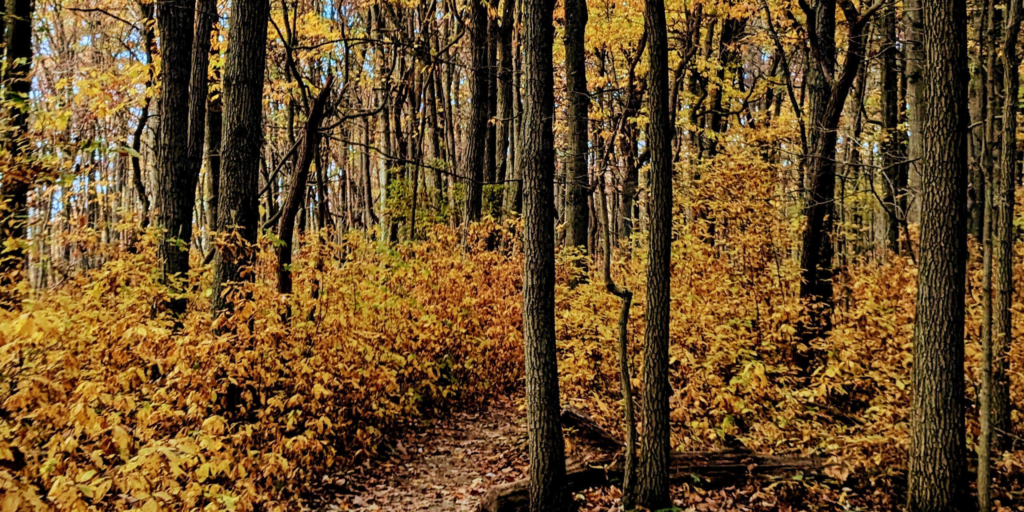
Every fall, trees throughout the Barnegat Bay watershed put on a colorful show before shedding their leaves for the winter. For many homeowners, this signals the beginning of an annual cleanup, with rakes, leaf blowers, and bags making their seasonal appearance. But have you ever wondered what would happen to all those leaves if we left them alone?
In a natural forest, fallen leaves are anything but waste. They form a layer of organic material known as leaf litter, which plays an important role in maintaining healthy soil and supporting wildlife. Over time, fungi, bacteria, and other decomposers break down the leaves, gradually returning nutrients to the soil where they can be used by growing plants. This natural recycling process helps maintain soil fertility without the need for added fertilizers.
As leaves decompose, they also contribute organic matter that improves soil structure, helps retain moisture, and supports the movement of water into the ground. A layer of leaves acts as natural mulch, insulating plant roots from extreme temperatures and helping suppress weeds. According to Rutgers Cooperative Extension, leaving leaves in our landscapes can benefit soil health, plants, and wildlife, all while reducing the need for some routine yard maintenance.
But the benefits go far beyond healthy soil. What looks like a pile of dead leaves to us can actually be a winter refuge for small animals.
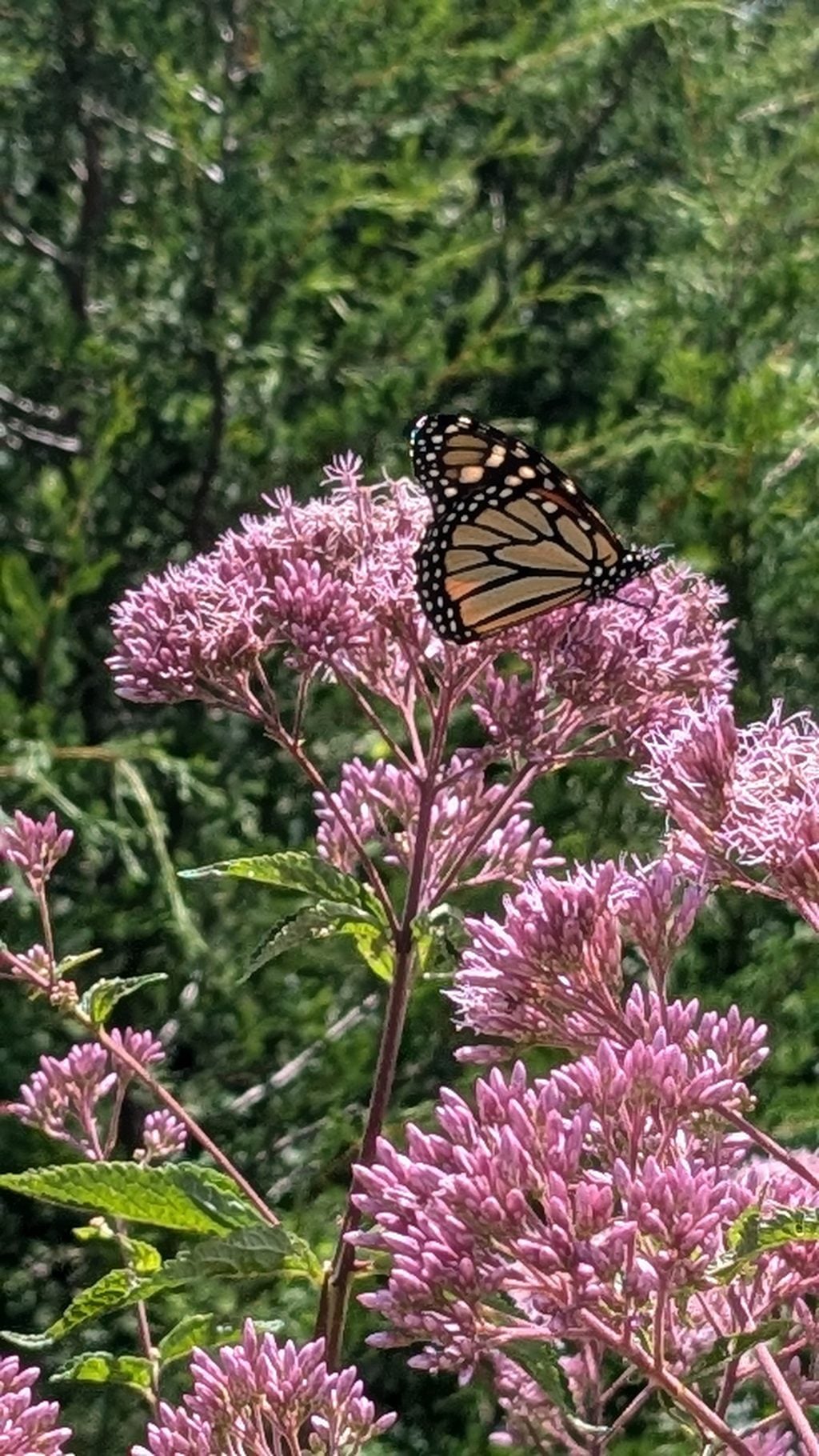
Many beneficial insects spend the colder months tucked beneath fallen leaves or in the soil below them. Firefly larvae, moth cocoons, beetles, and other invertebrates depend on this protective layer for shelter and insulation. Some butterflies and moths spend the winter in their immature stages, hidden among leaves until conditions become favorable again. Queen bumble bees may also overwinter in shallow underground shelters protected by leaf litter. Removing all the leaves from a yard can unintentionally remove the very animals we hope to see return in the spring.
The Xerces Society for Invertebrate Conservation encourages gardeners to leave fallen leaves, standing plant stems, and other natural materials in place whenever possible. These features provide important habitat for pollinators and beneficial insects that help maintain healthy gardens.
Fortunately, leaving the leaves doesn’t mean abandoning your yard or allowing thick piles to cover every surface. A little thoughtful management can go a long way.
Leaves that accumulate on lawns can be gently raked into garden beds, beneath shrubs, or around trees, where they provide natural mulch and winter habitat. Keeping leaves whole is especially beneficial for insects sheltering within them. If leaves are too thick on a lawn, they should be moved to prevent the grass from becoming smothered. In garden beds, avoid piling leaves too deeply over small plants or against the trunks of trees and shrubs.
For gardeners with more leaves than they can use, composting is another excellent option. Allowing leaves to break down in a designated pile creates a valuable soil amendment that can be returned to the garden. Whenever possible, consider leaving some undisturbed leaf litter in place for wildlife rather than shredding or composting everything.
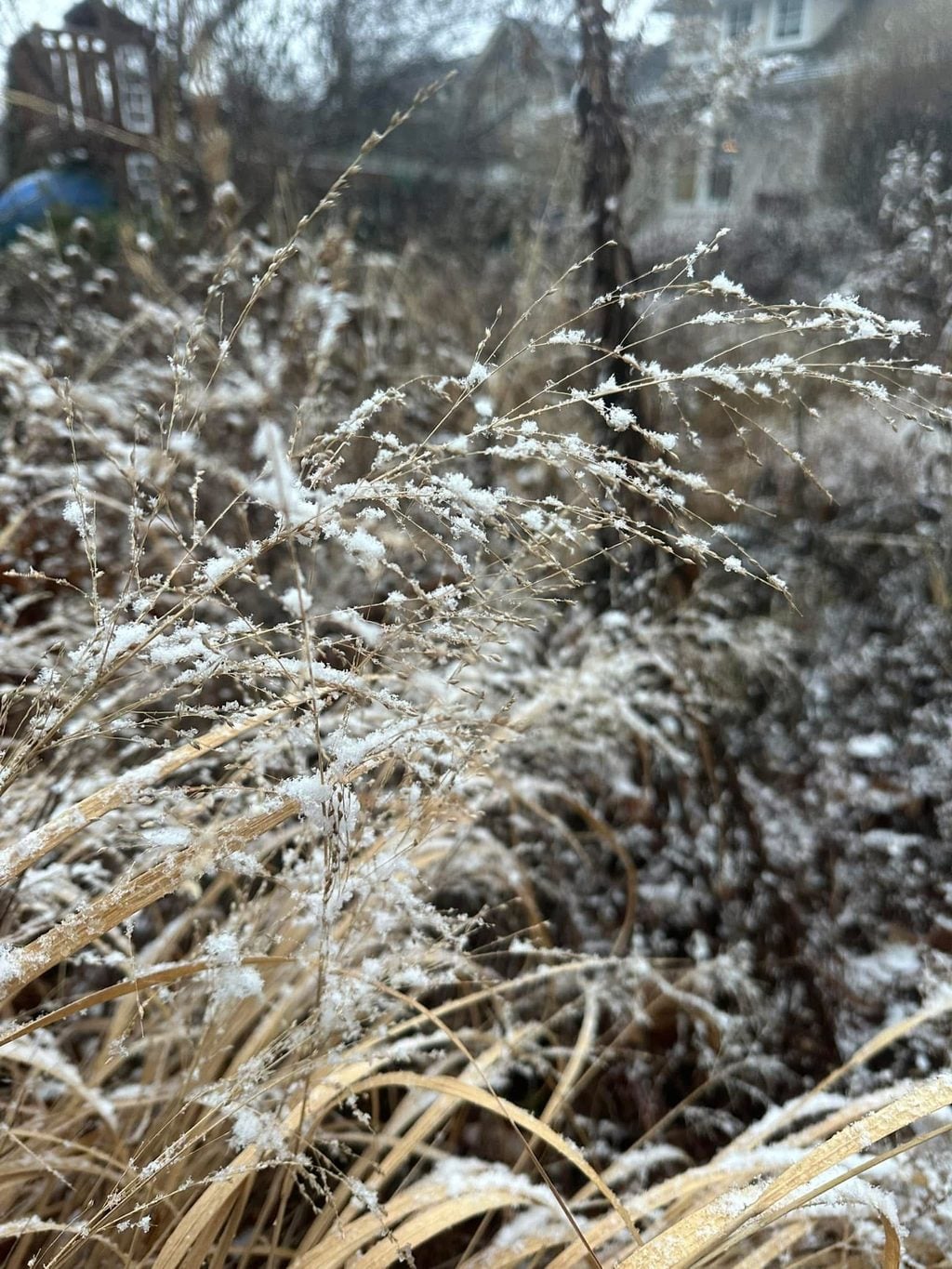
It’s also worth resisting the urge to cut back every perennial plant in the fall. Standing stems can provide nesting habitat for native bees, while dried seed heads offer food for birds during the winter. Leaving these plants in place until spring, and retaining some stems even longer, helps extend the ecological benefits of a garden beyond the growing season.
These practices are central to Jersey Friendly Yards. By building healthy soil, planting native species, reducing fertilizer and pesticide use, and creating wildlife habitat, homeowners can support local ecosystems while maintaining attractive landscapes.
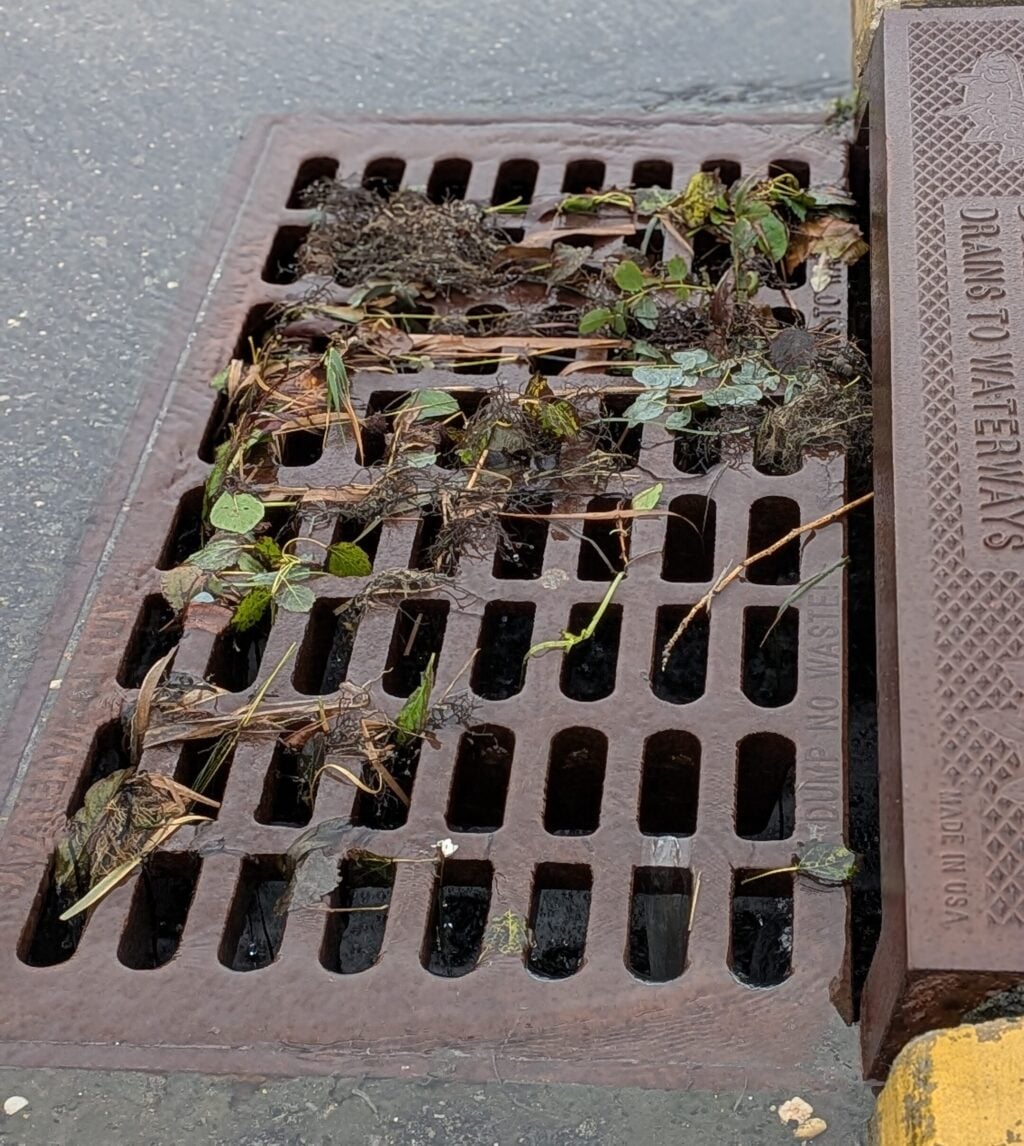
Of course, there are places where fallen leaves should be removed. Leaves that collect in streets, gutters, and storm drains can block drainage and be carried into nearby waterways during rainstorms. As they break down, they can also release nutrients, including nitrogen and phosphorus, into stormwater. Excess nutrients contribute to water quality problems in the Barnegat Bay watershed, making it important to keep leaves out of the street and away from storm drains.
The goal is to keep leaves where they can benefit the landscape, rather than allowing them to wash into our waterways.
For homeowners throughout the watershed, fall cleanup is an opportunity to make a few simple changes that benefit both their properties and the bay. Moving leaves into garden beds, maintaining natural areas, leaving perennial stems standing, and keeping storm drains clear are all practical ways to support a healthier environment.
So this fall, before reaching for the rake or leaf blower, consider letting nature do a little of the work. Those fallen leaves are already helping prepare your garden for spring, providing shelter for wildlife, and contributing to the health of the watershed. Sometimes, one of the best things we can do for our yards is simply leave a little more behind.